- Choice made visible: Fable turned morality and reputation into something you could actually see on your hero’s body and in NPC reactions.
- Accessible RPG design: it made Western fantasy role-playing feel inviting, readable, and console-friendly without losing charm.
- Albion personality: the world is theatrical, warm, and wicked in equal measure — part storybook, part satire, part dark myth.
- Historical weight: it helped define the original Xbox era’s identity as a home for ambitious, character-driven action RPGs.
“A role-playing game where who you are becomes part of the spectacle.”
Fable is remembered not because it simulated everything, but because it made identity, consequence, and performance feel fun.
The RPG That Wanted You to Become a Legend
Fable arrived with outsized hype, but what made it endure was not impossible ambition — it was the clarity of its ideas. You start as a child of tragedy, grow through the Heroes’ Guild, and slowly shape a reputation across Albion through quests, combat, theft, generosity, cruelty, dress, marriage, property, and sheer public performance. Fable is not the deepest RPG ever made, but it is one of the most readable. It constantly reminds you that your actions matter because the whole world keeps reacting to them.
Game Data
| Title | Fable |
| Release Year | 2004 |
| Developer | Big Blue Box Studios / Lionhead Studios |
| Publisher | Microsoft Game Studios |
| Platform | Xbox |
| Genre | Action role-playing game |
| Players | Single-player |
| Original Format | DVD-ROM |
| Setting | Albion |
| Core Loop | Quest, fight, choose, evolve, be judged |
Moral alignment, renown, melee/ranged/magic combat, hero growth, social expression, property ownership, and world reactions to player behavior.
After Oakvale is destroyed by bandits, the surviving child is taken to the Heroes’ Guild and trained into a famous warrior whose choices eventually shape Albion’s fate.
Fable made morality physically visible: noble heroes could gain a halo and radiant presence, while evil heroes could grow horns, flies, and a darker aura.
Review / Why Fable Still Feels Memorable
Fable makes a strong early impression because it does not bury you in menus or lore before asking you to care. It gives you a fairy-tale hook, a clear personal tragedy, and a fantasy world that feels both inviting and a little dangerous. From there, it moves quickly. You fight, earn renown, choose how to behave, and start seeing Albion answer back. For a 2004 console RPG, that immediacy was a huge advantage.
CHOICE AS PERFORMANCEWhat Fable understood better than many RPGs is that consequence feels strongest when it is legible. If villagers cheer you, fear you, flirt with you, or gossip about you, the world feels awake. If your body changes — scars, age, tattoos, halo, horns — then morality stops being abstract math and becomes part of your identity. That is why people remember Fable’s systems so vividly. They are not subtle, but they are wonderfully communicative.
COMBAT, QUESTS, AND RHYTHMThe combat is brisk and accessible rather than deeply technical. Swords, bows, and Will powers all work well enough to make the hero fantasy click, and the quest structure keeps the whole adventure moving. Fable is strongest when it lets action, personality, and progression braid together: win a fight, earn a trophy, show off to a crowd, buy a house, get married, then decide whether you want to be loved or feared.
WHERE IT SHOWS ITS AGEThe biggest caveat is that Fable is more streamlined than its legend. Its choices are impactful in mood and presentation, but not always in the deeply branching way some players might expect. Combat can become repetitive, and some of the world’s promises are broader than the systems underneath them. Yet that does not erase what the game does well. It simply clarifies what kind of classic it is: not an infinite simulation, but a beautifully staged fantasy coming-of-age RPG.
FINAL VERDICTFable remains memorable because it knew how to dramatize role-playing. It made morality visible, reputation tangible, and fantasy heroism playful rather than solemn. Even now, that mix of charm, speed, satire, and consequence gives it a distinct place in RPG history. It may not be the deepest RPG of its era, but it is absolutely one of the most characterful.
Why Historically Important
Fable mattered because it translated role-playing ideas into something more immediate and console-friendly without stripping out personality. It took familiar RPG concepts — alignment, character growth, quests, equipment, world reaction — and presented them with a clarity that made them easy to feel. Players did not just pick good or evil in a menu. They watched the world mirror those choices back at them.
It also helped define the original Xbox as a serious home for Western fantasy RPGs. At a time when the console market still leaned heavily toward shooters, action, and Japanese RPG traditions, Fable gave Microsoft a distinct fantasy adventure with broad appeal, recognizable atmosphere, and a strong identity. Its fairy-tale tone, British humor, and moral theater set it apart from grimmer genre rivals.
Beyond sales and branding, its legacy shows up in how later games handled visible consequence, morality presentation, and player image. The hero morphing, renown, social responses, property, and performative “become the legend” framing all made Fable feel like a fantasy life simulator in miniature. That blend of accessibility and personality is why the game still gets discussed with real affection.
Timeline / Key Milestones
Fable releases on Xbox and quickly becomes one of the platform’s signature action RPGs, thanks to its morality system, Albion setting, and strong public identity.
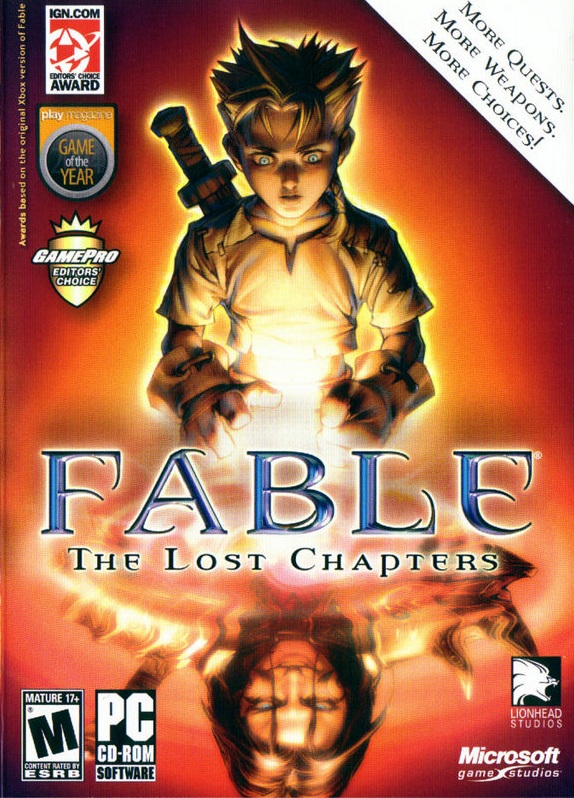
An expanded version, Fable: The Lost Chapters, adds extra quests, areas, enemies, gear, and a story continuation that broadens the original release.
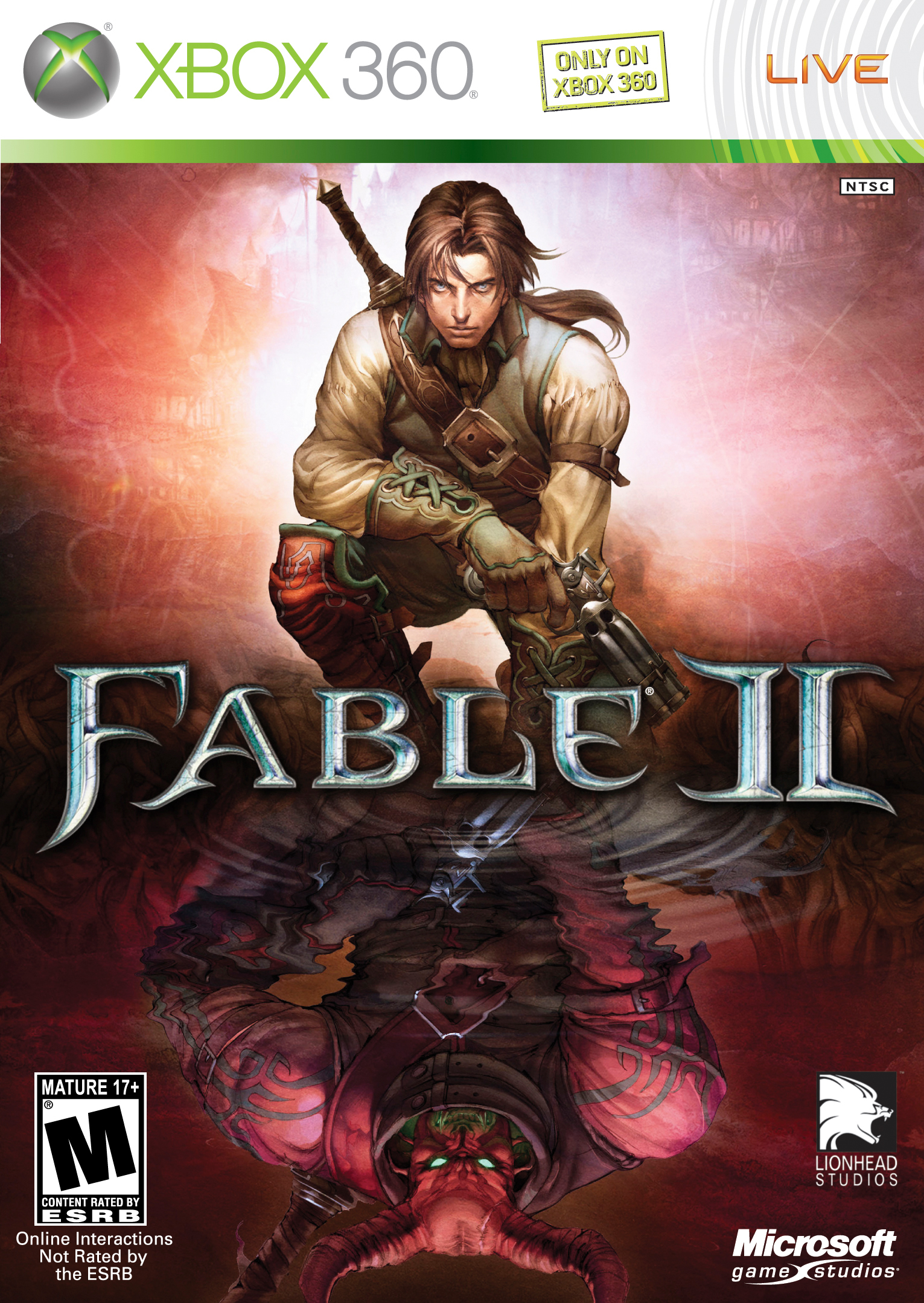
The sequel arrives on Xbox 360 and pushes the formula toward a larger social sandbox, proving that Fable had become a full Microsoft fantasy franchise.
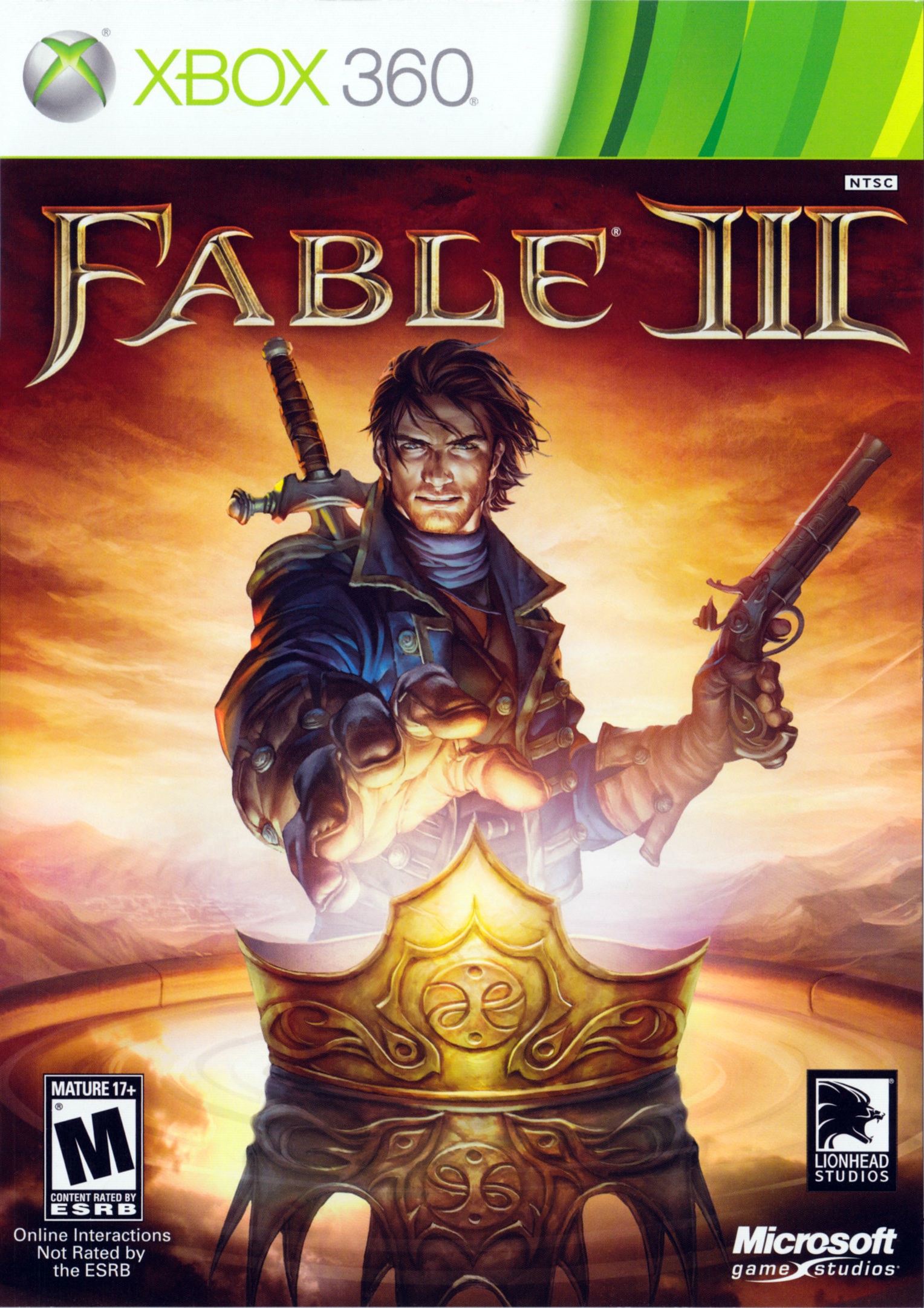
The trilogy continues with a more political, revolution-focused spin, keeping Albion and player consequence at the center of the series identity.
The HD remaster of The Lost Chapters brings the game back for Xbox 360 and PC with upgraded visuals, achievements, and a refreshed presentation.
The original Fable remains one of the most fondly remembered Xbox-era fantasy RPGs and a frequent reference point for visible moral consequence in games.
Where to Play / Collect Today
Fable Anniversary on Xbox
The most practical console route today is Fable Anniversary, the HD remaster that folds in The Lost Chapters content and remains the easiest official Xbox version to access.
XBOX OPTIONFable Anniversary on Steam
On PC, Anniversary is the cleanest modern buy — polished, convenient, and the simplest way to revisit Albion without hunting older discs and patches.
PC OPTIONOriginal Xbox / collector route
For the pure 2004 experience, the original Xbox release still has its own appeal — especially for collectors who want the first form before later expansions reshaped it.
COLLECTOR ROUTE