- Fan ambition: few freeware adventure projects ever aimed this high in scope, presentation, and voice acting.
- Series continuation: it tries to give Graham, Rosella, and Alexander a true post-Sierra continuation rather than a side-story.
- Uneven but fascinating: the project starts more like a cinematic prologue, then grows stronger as the puzzle density improves.
- Historical weight: the legal struggle, release saga, and unfinished fifth chapter turned it into legend inside adventure-game culture.
“A fan sequel with the scale, scars, and sincerity of a real saga.”
Not simply a curiosity — a major artifact of how deeply people cared about King’s Quest after Sierra stopped.
The Fan-Sequel That Refused to Die
The Silver Lining is one of the most unusual “games” you can archive because it is really two things at once: an actual playable episodic adventure, and a public saga about fandom, legal brinkmanship, perseverance, and the desire to give King’s Quest a dignified continuation. It is not as instantly elegant as the best official Sierra entries, but it earns attention because of the sheer scale of the attempt. Phoenix Online did not make a tiny tribute. They tried to make a new chapter in the royal family’s mythology.
Game Data
| Title | The Silver Lining |
| Original Public Release | 2010 |
| Developer | Phoenix Online Studios |
| Publisher | Phoenix Online Studios |
| Platform | Windows |
| Genre | Graphic adventure / episodic fantasy adventure |
| Players | 1 player |
| Business Model | Freeware fan release |
| Core Loop | Explore, converse, gather clues, solve, survive, continue the royal saga |
Conversation-heavy progression, environmental puzzle solving, lore-rich callbacks, 3D exploration, cinematic presentation, and traditional adventure problem chains.
At Rosella’s wedding, a mysterious cloaked figure curses both Rosella and King Alexander. Graham must once again leave the safety of home, investigate druidic secrets, and confront shadows buried in his family’s past.
Not an official numbered Sierra sequel in release form, but one of the most famous unofficial continuations ever attempted for the King’s Quest universe.
Review / Why It Still Fascinates
The first thing to understand about The Silver Lining is that it does not feel small. It feels earnest, ambitious, and determined to matter. Even when its edges show, the project carries itself like a real continuation. That matters, because so many fan games settle for reference-heavy imitation. Phoenix Online aimed higher. They wanted drama, continuity, voice work, atmosphere, and a fresh crisis large enough to justify bringing Graham back into action.
THE GOOD AND THE UNEVENThe project’s reputation is shaped by its structure. Episode 1 is remembered as visually impressive but light on puzzles, more like a prologue made of cutscenes, introductions, and promises. That makes the beginning feel a little thin if judged purely as an old-school adventure. But the later released chapters improve, broadening the world, increasing puzzle density, and showing more confidence in mixing lore, exploration, and problem-solving.
WHY FANS KEPT CARINGWhat kept players invested was not polish alone. It was the feeling that the creators genuinely understood why King’s Quest mattered. The Silver Lining does not treat Sierra history like trivia. It treats it like family mythology. Rosella, Alexander, Valanice, druidic mysteries, Black Cloak echoes, and Green Isles continuity all feel placed with purpose. This is one of the reasons the project still holds emotional power even when the production seams are visible.
PRESENTATION AND HEARTThe fully voiced approach and cinematic framing do a lot of work here. Sometimes the dialogue can feel more grand than natural, but that theatricality is also part of the charm. The Silver Lining wants to sound like a fantasy saga being retold around a fire. Combined with the music and the obvious labor invested by a volunteer-driven team, it gives the experience a warmth that is hard to dismiss.
FINAL VERDICTThe Silver Lining is not a lost official masterpiece. It is something stranger and, in some ways, more memorable: a fan-made continuation with genuine ambition, real cultural footprint, and enough craft to justify the myth built around it. It may be incomplete in the way people hoped it would not be, but as an adventure-game artifact it remains deeply worth preserving.
Why Historically Important
The Silver Lining matters because it became the public symbol of how fiercely adventure-game communities protected Sierra’s legacy after the original series stopped. It was not merely fan fiction in executable form. It was a long-term, high-visibility project that survived cease-and-desist pressure, licensing negotiations, title changes, platform shifts, and years of delay while still producing multiple released episodes.
It also mattered as a production story. Phoenix Online effectively used this project as a bridge from passionate fan collective to actual game studio. That makes The Silver Lining historically important not just inside King’s Quest fandom, but inside indie adventure history more broadly. It is one of the clearest cases where a fan labor-of-love project helped create a studio identity.
And finally, it matters because it tried to answer a question official publishers often ignore: what does respectful continuation look like when a beloved series goes silent? The Silver Lining’s answer was imperfect, but bold — treat the old canon seriously, bring the family back together, and let fan devotion build something large enough to stand beside the originals in conversation.
Timeline / Key Milestones
The project starts life as an unofficial King’s Quest continuation, eventually becoming the fan-sequel initiative most people would remember as “King’s Quest IX.”
A cease-and-desist halts progress, but community pressure and negotiation lead to a fan-license arrangement — with the major catch that the direct “King’s Quest” title must go.
The Silver Lining finally becomes publicly playable, with the first two episodes releasing and establishing Graham’s new family-centered quest.
The next two chapters arrive, broadening the world, strengthening the puzzle side of the experience, and deepening the lore.
Phoenix publicly explains that the final episode was never abandoned, but the aging Torque tech forced a difficult migration to Unity that slowed production dramatically.
A free teaser experience appears, previewing ideas for Episode 5 and keeping the community’s hopes alive for a final release.
Phoenix posts another update clarifying that there is still no release date, while detailing facial capture, cloth simulation, mocap, and puzzle work for the long-delayed finale.
The Silver Lining survives as both a playable episodic adventure and a legendary case study in fan persistence, unofficial continuation, and series devotion.
Where to Play / Explore Today
Phoenix download route
The core modern route is still Phoenix Online’s official Silver Lining page, where the released episodes remain the main public entry point for the project.
DOWNLOAD NOWHaunted Castle Experience
The 2016 teaser is worth sampling as a historical curiosity because it represents Phoenix’s public attempt to preview the direction of Episode 5.
SEE TEASERPlay beside King’s Quest VI
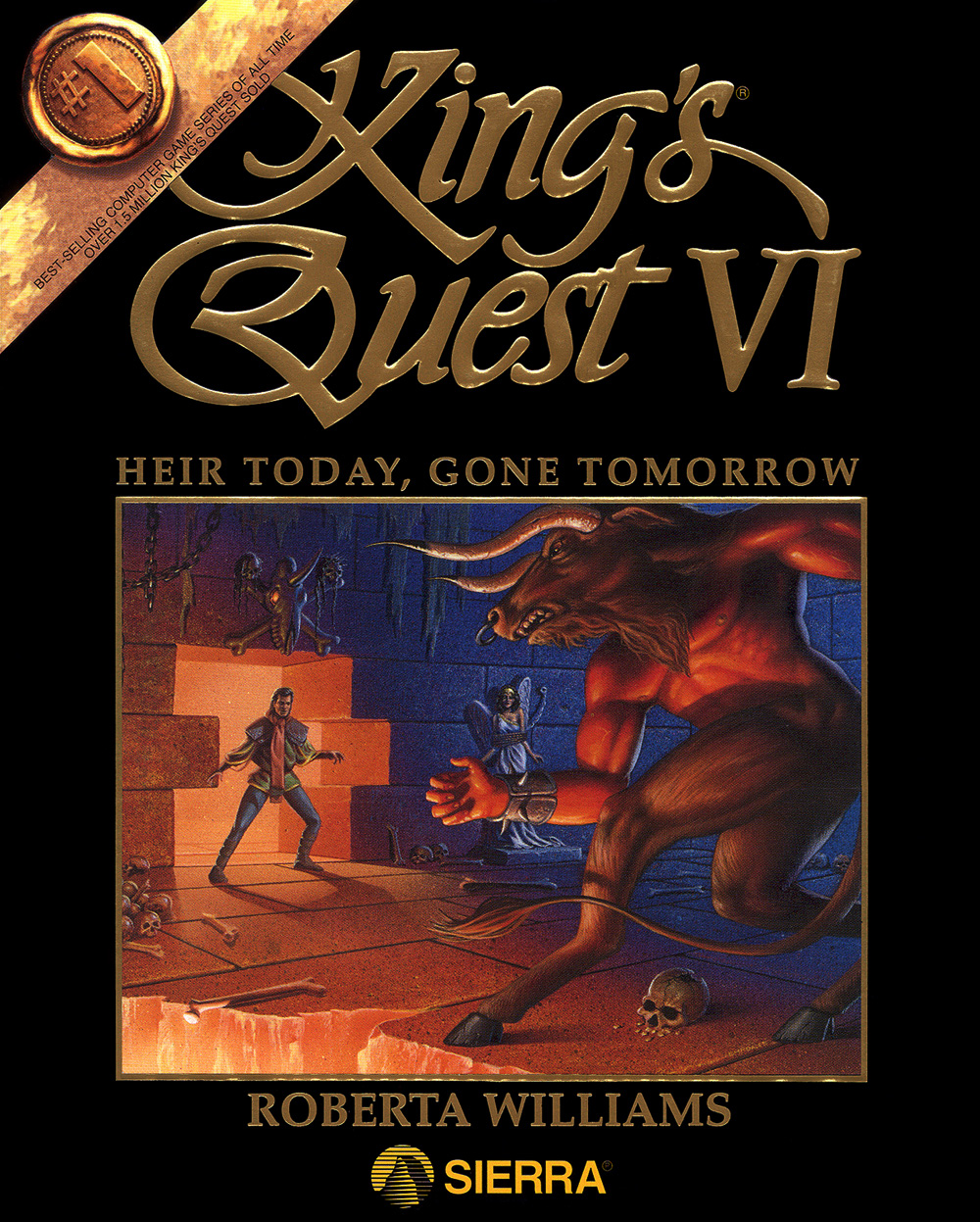
The richest way to appreciate The Silver Lining is to compare how it handles the Graham-Alexander-Rosella family legacy against one of the official series’ strongest narrative peaks.
COMPARE ERA