- Series revival: it brought Wolfenstein back not as a nostalgia exercise, but as a prestige single-player shooter with real character weight.
- Combat identity: chunky guns, aggressive push-forward firefights, dual-wielding, and old-school health-and-armor logic give it real physical presence.
- Narrative surprise: B.J. becomes something rare for the genre — not a blank weapon, but a wounded, reflective protagonist.
- Historical role: it helped prove the big-budget single-player FPS still had life, voice, and emotional range in the 2010s.
“The reboot that remembered shooters could have a heart.”
Not just a return to killing Nazis — a return to authored, story-heavy FPS design with blood, grief, fury, and style.
The Revival That Gave Wolfenstein a Soul
The New Order is one of those reboots that succeeds because it does more than modernize controls and visuals. It rethinks the emotional temperature of the entire series. The shooting is still fast, blunt, and satisfyingly heavy, but around that violence MachineGames builds something far richer: an alternate 1960 where the Nazi regime has won, a resistance movement held together by pain and stubbornness, and a version of B.J. Blazkowicz who feels haunted, tired, and astonishingly human. That tonal shift is the real achievement. It turns Wolfenstein from remembered genre ancestor into living modern fiction again.
Game Data
| Title | Wolfenstein: The New Order |
| Release Year | 2014 |
| Developer | MachineGames |
| Publisher | Bethesda Softworks |
| Platform | Windows / PlayStation 3 / PlayStation 4 / Xbox 360 / Xbox One |
| Genre | First-person shooter |
| Players | Single-player |
| Original Format | Blu-ray Disc / DVD-ROM / digital download |
| Core Loop | Push into hostile strongholds, scavenge health and armor, improvise with heavy guns, and break the regime one facility at a time |
Aggressive firefights, stealth openings, dual-wielding, weapon upgrades, perk challenges, health-and-armor scavenging, and cinematic mission flow.
After a catastrophic mission against Deathshead in 1946, B.J. Blazkowicz awakens years later in a world where Nazi technology has conquered Europe. In 1960, he joins a fragile resistance and tries to drag history back from defeat.
The New Order became the defining proof that Wolfenstein could return not just with better shooting, but with a modern story-driven identity strong enough to carry the entire franchise forward.
Review / Why It Still Lands So Hard
The first thing The New Order gets right is tone. It does not play like a sterile military product. It feels authored. From the opening collapse to the later resistance chapters, the campaign is trying to do more than escalate combat. It wants the world to feel defeated, bruised, and morally diseased. That gives even its loudest action sequences a kind of gravity many shooters never reach.
WHY THE SHOOTING WORKSMechanically, the game thrives on mass and pressure. Guns sound heavy, enemies hit hard enough to keep you moving, and the old-school health and armor model creates a satisfying scavenger rhythm inside every fight. The game is not about hiding forever. It is about choosing when to hit a room like a wrecking ball. That push-forward energy is what keeps the campaign feeling alive.
THE STORY AS THE REAL DIFFERENCEWhat truly elevates The New Order is its treatment of B.J. and the resistance around him. The game allows quiet, grief, tenderness, fear, and reflection to exist alongside all the gunfire. B.J. is not just a killing machine. He is a man trying to remain morally legible inside a world that has gone rotten. That makes the campaign emotionally stick in a way few mainstream FPS games manage.
WHERE IT SHOWS SOME FRICTIONThe stealth systems are functional rather than brilliant, and some encounter spaces can feel more like sturdy combat arenas than truly surprising locations. The perk structure also helps less than the story and gunfeel do. But these are small limits compared to the overall achievement. The game knows exactly what it wants to be, and that confidence carries it.
FINAL VERDICTWolfenstein: The New Order remains one of the best FPS revivals of its era because it revives more than a name. It revives purpose. It gives Wolfenstein modern dramatic weight without softening its old-school violence, and that combination is exactly why it still matters.
Why Historically Important
The New Order is historically important because it reopened a path that the big-budget shooter had been in danger of losing: the authored, single-player FPS campaign with a clear identity. At a time when many major shooters were leaning on multiplayer hooks, service structures, or increasingly anonymous spectacle, MachineGames delivered something with voice, shape, and emotional conviction.
It also matters specifically within Wolfenstein history. The series had enormous legacy value, but not stable modern relevance. The New Order solves that by rebuilding the franchise around two things at once: satisfying blunt-force action and a genuinely stronger dramatic core. That transformation is what made later MachineGames entries possible.
Beyond series history, the game stands as proof that the mainstream FPS can carry more than reflex loops and cutscene polish. It can carry grief, resistance, ideology, and character interiority without losing its mechanical punch. That is a bigger achievement than “good reboot” really captures.
Timeline / Key Milestones
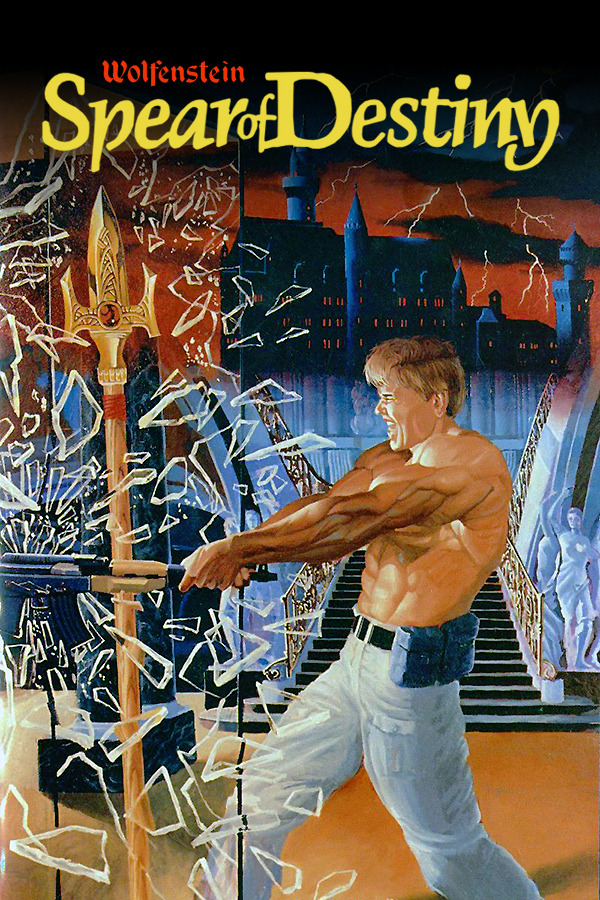
Wolfenstein already has genre-defining heritage, but later entries struggle to keep that same cultural centrality alive in changing shooter eras.
The 2009 Wolfenstein keeps the name moving, but the franchise still lacks a confident modern identity.
MachineGames reveals The New Order as a heavy reboot built around alternate-history Europe, cinematic storytelling, and blunt first-person combat.
Wolfenstein: The New Order launches and quickly becomes the game that truly restores the brand’s modern relevance.
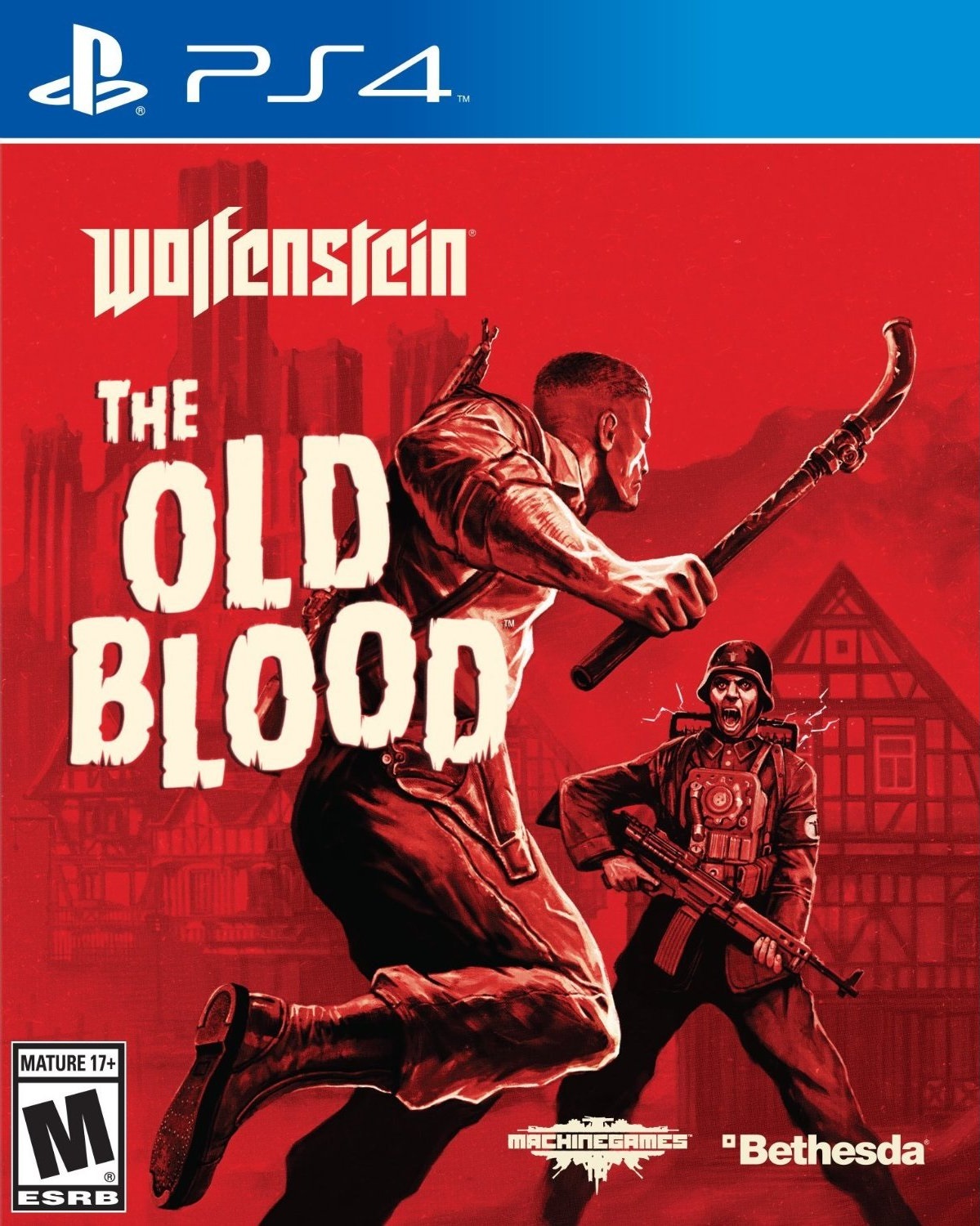
The standalone prequel expands the MachineGames take and reinforces that The New Order was not a one-off success.
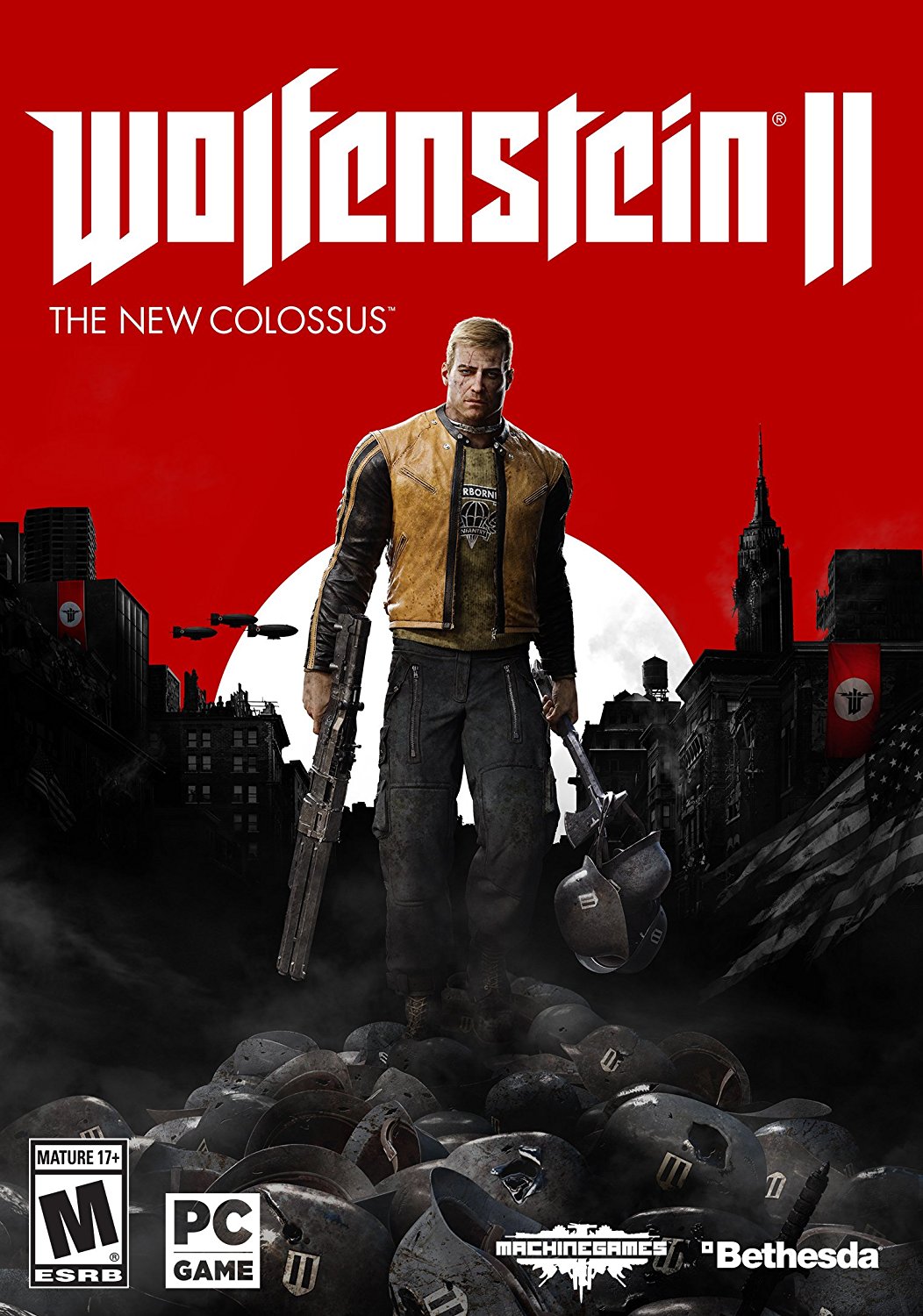
The direct sequel pushes the formula into louder political, emotional, and visual territory — only possible because The New Order rebuilt the foundation first.
It still stands as the key modern Wolfenstein chapter: the reboot that turned inherited legacy into living identity again.
Where to Play / Collect Today
PC digital version
The cleanest modern route is the PC release, which remains available through current storefronts and is the easiest way to experience the full campaign with minimal friction.
MAIN VERSIONBegin the MachineGames arc here
Even though The Old Blood is a prequel, The New Order is still the best starting point for this modern branch because it introduces the emotional tone, cast, and world-state so well.
START HEREPS4 / Xbox One physical copies
For collectors, the physical console editions remain one of the best ways to own the revival chapter that made modern Wolfenstein matter again.
COLLECTOR ROUTE