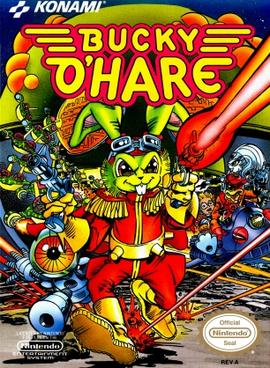
- Theme oddity: few NES action games lean this hard into eco-warrior comic-book weirdness.
- Variety: side-scrolling action mixes with three-quarter-view segments, subgames, rescue ideas, and boss gimmicks.
- Presentation: the sprite work, color, and general Konami snap keep it visually memorable.
- Rough edges: it is more interesting than perfectly polished, which is part of its cult appeal.
“A comic-book eco-warrior fever dream — part hidden gem, part noble mess.”
Not quite top-tier Konami, but exactly the kind of late-NES curiosity retro archives should preserve.
Konami Craft Meets Comic-Book Eco Weirdness
Zen: Intergalactic Ninja is the kind of game that feels impossible to mass-produce today. It is a licensed action platformer, but not based on a giant mainstream property. It is environmentally themed, but without becoming soft or cute. It is a late NES release, yet still clearly trying to surprise players with visual variety, unusual stage framing, and a willingness to bounce between different gameplay flavors. The result is not a perfectly smooth classic, but it is absolutely a distinctive one.
Game Data
| Title | Zen: Intergalactic Ninja |
| Release Year | 1993 |
| Developer | Konami |
| Publisher | Konami |
| Platform | Nintendo Entertainment System / Game Boy |
| Genre | Action platformer |
| Players | 1 player |
| Original Format | Cartridge |
| Based On | The Zen the Intergalactic Ninja comic character |
| Core Loop | Run, jump, slash, survive hazards, defeat pollutant-themed bosses |
Side-scrolling combat, three-quarter-view traversal, stage gimmicks, boss encounters, rescue objectives, subgames, and a general sense that every stage wants to do something different.
Zen, an alien eco-warrior, arrives on Earth to stop Lord Contaminous and prevent ecological ruin. The setup turns pollution itself into the game’s core enemy language.
The game pushes beyond straight left-to-right action with twelve levels, multiple subgames, rescue ideas, and mixed viewpoints that make it feel more experimental than many licensed NES peers.
Review / Why It Is Still Worth Remembering
The immediate charm of Zen is that it does not feel generic, even when parts of its structure are familiar. The blue alien hero, the anti-pollution framing, the villain names, the stage-select map, and the overall tone all announce a game that is operating on its own wavelength. That alone gives it an identity advantage over a lot of licensed action titles from the same era.
WHERE IT REALLY WORKSThe strongest thing here is variety. Zen is not content to be one-note. It shifts between straightforward action-platforming and more unusual three-quarter-view segments, adds stage-specific hazards, and wraps its encounters in pollutant-themed drama that makes the game feel theatrical rather than merely mechanical. Konami’s visual confidence helps a lot: the game is colorful, expressive, and often much better-looking than people expect from a forgotten 1993 NES release.
THE ROUGH PARTSThe downside of that ambition is inconsistency. Not every mode is equally satisfying, and some ideas feel more interesting in concept than in execution. Zen is sometimes a little stiff, a little abrupt, or a little too eager to impress by changing the rules instead of deepening what already works. That does not ruin the experience, but it keeps the game a step below the absolute greats of the system.
WHY THE THEME HELPSWhat keeps the game memorable is its environmental framing. Acid rain forests, toxic industry, oil-rig danger, recycling bonuses, and a sludge-born villain give the whole adventure a weirdly sincere identity. That thematic cohesion matters. Even when the gameplay zigzags, the world still feels authored. Zen is fighting something specific, and the game makes sure you feel it.
FINAL VERDICTZen: Intergalactic Ninja is not an 8-bit masterpiece hiding in plain sight, but it is exactly the kind of game that makes a retro library richer. It is ambitious, unusual, stylish, and just imperfect enough to stay human. For archive-minded players, that combination is more valuable than bland competence. It is a game worth revisiting because it tried to be its own thing.
Why Historically Important
Zen: Intergalactic Ninja matters less as a canon giant and more as a preservation-worthy snapshot of its moment. It captures a very specific early-1990s mix: comic-book licensing, environmentally conscious pop culture, Konami’s late 8-bit craftsmanship, and a willingness to give a smaller property surprisingly elaborate treatment.
It also shows how strange and flexible the NES library could still be in 1993. By that point the 16-bit era was already pulling attention elsewhere, yet games like this were still experimenting with presentation, pacing, and stage variety. Zen feels like a reminder that the system’s final wave was not only about leftovers — it was also about odd experiments and niche personality.
Most importantly, it gives historical texture to the archive. Not every worthwhile game is a genre-defining pillar. Some are important because they reveal what publishers were willing to try, what themes were marketable, and how much visual craft could be poured into a property that did not become a giant franchise. Zen is one of those games.
Timeline / Key Milestones
Zen: Intergalactic Ninja arrives on NES as a Konami-published action title built around the comic character’s eco-warrior identity.
A separate Game Boy adaptation broadens the game’s reach and gives the property a portable counterpart in the same year.
Acid rain, oil rigs, toxic factories, recycling sequences, and sludge villains make the game unusually thematic for an 8-bit action release.
Overshadowed by bigger names, the game slips into hidden-gem territory rather than mainstream retro celebrity.
It endures as a memorable example of how much personality could live inside a weird, ambitious, late-generation licensed title.
Where to Play / Collect Today
Original NES cartridge
The clearest way to experience the game as designed is still original NES hardware, ideally with a CRT setup that preserves the era’s visual texture.
COLLECTOR ROUTEGame Boy edition
The portable version is its own interesting branch — useful both as a companion piece and as a way to see how the property translated to handheld form.
SEE HANDHELDBox, manual, and comic context
This is one of those games that becomes richer when treated as an artifact — packaging, ad material, and comic-book roots all enhance the experience.
VIEW ARTIFACTS