Adventure Island
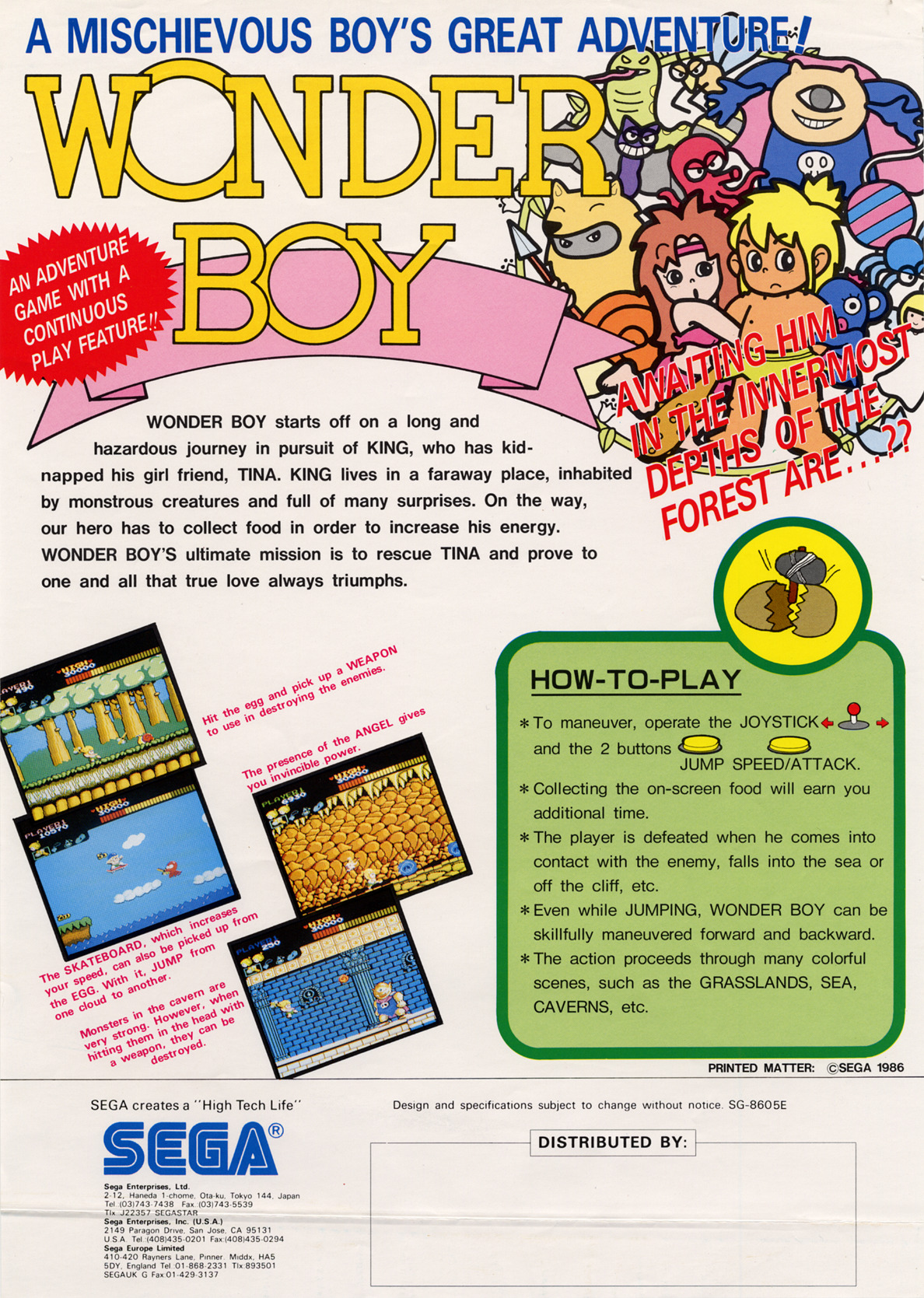
A brutal tropical sprint of fruit, skateboards, stone axes, hidden eggs, and constant forward panic: Adventure Island took the DNA of Wonder Boy, rebuilt it around Hudson’s own mascot logic, and became one of the most punishingly memorable platformers of the 8-bit era.
Why it still hits
- Relentless tempo: the life meter forces constant motion, so hesitation becomes part of the difficulty.
- Arcade ancestry: it feels like Wonder Boy filtered through Hudson’s personality and NES-era cruelty.
- Mechanical identity: axes, fireballs, skateboards, hidden eggs, and bonus clouds give each run a strong rhythm.
- Historical weight: it helped establish Adventure Island as its own long-running branch apart from Wonder Boy.
“Cute surface, savage rhythm, unforgettable momentum.”
One of those platformers that looks playful and then immediately starts testing your nerves.
A Platformer Built on Hunger, Speed, and Constant Pressure
Adventure Island is not a relaxed platformer. It is a game that weaponizes forward motion. Your vitality ticks down constantly, fruit becomes survival fuel, and every stage pushes you toward sharper reactions and cleaner routing. That makes the game feel harsher than many of its 8-bit peers, but also gives it a very distinct identity.
It is not simply about jumping well. It is about keeping rhythm, preserving momentum, and learning when to commit, when to grab, and when to run straight through danger. The result is a colorful game with a surprisingly demanding pulse.
At a glanceBest experienced as an early Hudson platform landmark: colorful, precise, surprisingly mean, and much more about tempo management than it first appears. It rewards players who learn routes, remember egg positions, and accept that standing still is rarely safe.
Game Data
| Title | Adventure Island |
| Japanese Title | Takahashi Meijin no Bōken Jima |
| Release Year | 1986 Japan / 1988 North America |
| Developer | Hudson Soft |
| Publisher | Hudson Soft |
| Platforms | Famicom / NES, MSX |
| Genre | Side-scrolling platformer |
| Players | Single-player |
| Original Format | Cartridge |
| Core Loop | Run, collect fruit, survive hazards, defeat bosses, keep moving |
Gameplay pillars
Timer-like vitality depletion, weapon pickups, skateboard speed shifts, hidden eggs, bonus warp clouds, strict jump commitment, and boss endurance fights.
Story
Master Higgins heads across Adventure Island to rescue Princess Tina from the Evil Witch Doctor, clearing eight areas made up of four rounds each.
Most famous design fact
The game began as Hudson’s version of Wonder Boy, but new character rights and branding transformed it into the starting point of the Adventure Island series.
Review / Why It Still Feels So Tense
The first impression Adventure Island makes is not just color or movement — it is urgency. Your vitality is always draining, which means the stage is never neutral space. Fruit is not just a collectible. It is permission to keep existing.
That one decision transforms the game. Instead of treating the level as a place to inspect calmly, Adventure Island turns every stretch into a problem of timing, appetite, and pace.
Why the rhythm feels differentPlenty of 8-bit platformers ask for precision, but Adventure Island asks for precision while also forcing constant advance. The skateboard amplifies this beautifully: it feels fantastic when the stage supports your flow, and terrifying the moment the terrain becomes hostile.
Beneath the apparently simple structure, the game hides a lot of route texture. Hidden eggs, bonus rooms, doubled stage bonuses, and the subtle logic of safer versus riskier movement all give Adventure Island more replay depth than its first screen suggests.
It becomes much stronger once you stop treating it as pure reaction and start reading it as a memory-driven course.
Where it shows its teethAdventure Island is absolutely not generous. Some hazards arrive with little room for hesitation, some stage reads feel intentionally sharp, and the vitality drain can make a small mistake snowball into panic.
Final verdictAdventure Island lasts because it has a very strong mechanical personality. It is not just “another 8-bit platformer.” It is a platformer about consumption, tempo, and sustained forward stress. That difference makes it memorable, historically useful, and still genuinely exciting when its rhythm locks into place.
Why It Matters
Adventure Island is historically important because it occupies a fascinating branching point in 8-bit platform history. It began as Hudson Soft’s adaptation of Wonder Boy, but rights limitations around the name and characters forced the company to create a new hero identity and, eventually, a distinct series line of its own.
It also stands out mechanically. The constantly draining vitality meter gives the game a tempo that separates it from many other platformers of the time. The result is a game built not only on jumping skill, but on consumption, routing, and sustained pressure.
For a game archive, Adventure Island matters because it shows how ports, licensing constraints, mascot culture, and design adaptation could turn a borrowed template into a new franchise. It is both a lineage object and a fully memorable game in its own right.
Why it mattered then
It gave Hudson Soft a fast, recognizable platform identity and translated Wonder Boy’s arcade energy into a home-console challenge loop.
Why it matters now
It remains one of the best examples of how a port-adaptation can become its own historical branch instead of staying a mere copy.
What it changed
It helped establish Adventure Island as a standalone series and reinforced the idea that platformers could derive tension from constant vitality drain and forced tempo.
Timeline / Key Milestones
Takahashi Meijin no Bōken Jima launches for Famicom and MSX in Japan, giving Hudson Soft its own version of the Wonder Boy formula.
Licensing constraints around Wonder Boy’s name and characters lead Hudson to reshape the port around Takahashi Meijin and a new identity path.
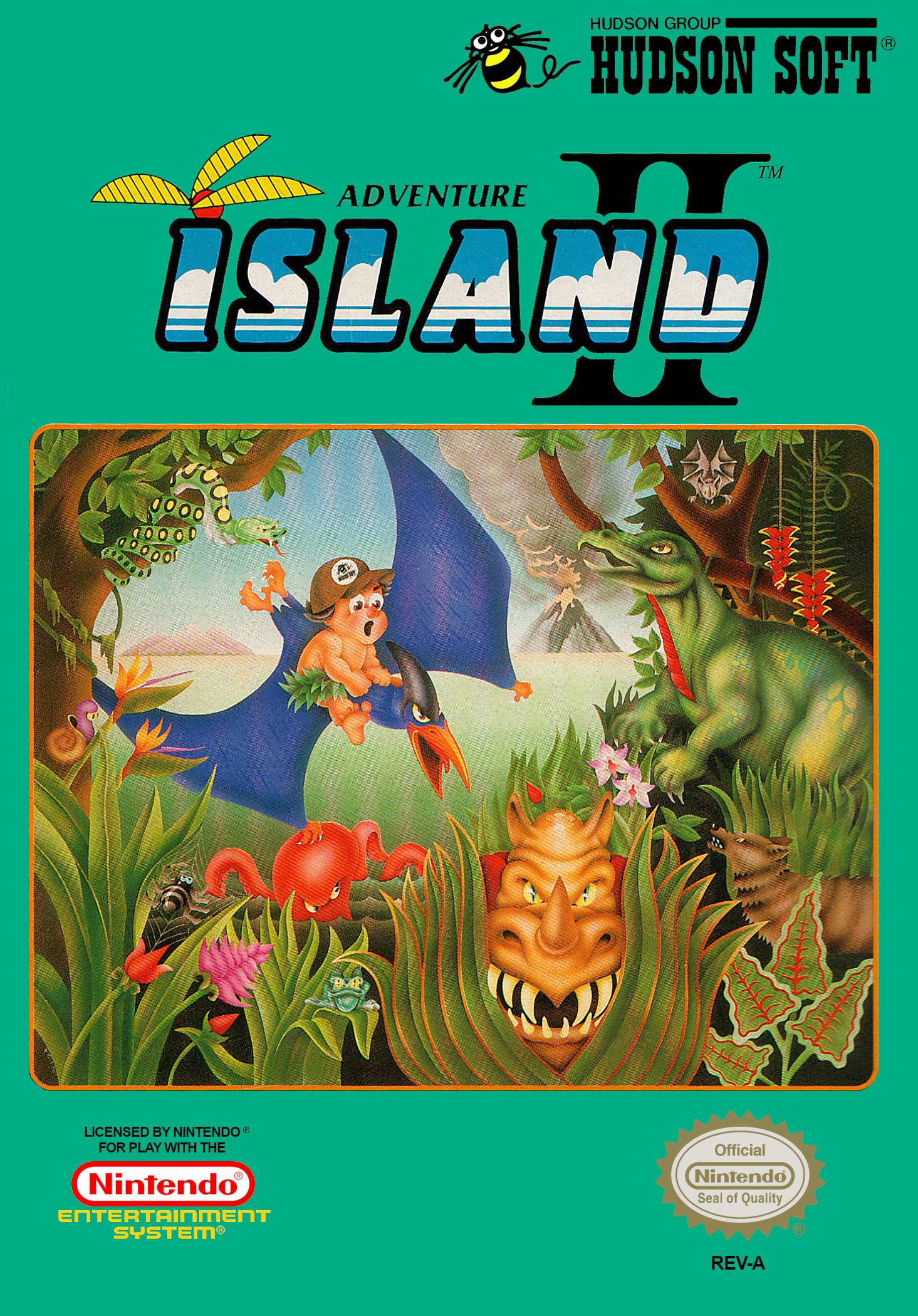
The game arrives in North America on NES as Adventure Island, introducing Master Higgins to a broader audience.
The game’s success establishes the Adventure Island line, which soon expands into sequels and develops away from Wonder Boy’s later action-RPG direction.
Reissues on later platforms keep the game visible as part of Hudson and Konami’s shared retro legacy.
It remains a key reference when discussing Wonder Boy-adjacent history, Hudson mascot culture, and the harsher side of early home platform design.
The island is playful — but the cartridge is a serious collector object.
Adventure Island is one of those NES-era platformers where the cartridge, box art, Hudson Soft identity, and Wonder Boy lineage all tell the story together.
Where to Find Adventure Island Today
A bright NES shelf piece with a tough reputation.
For collectors, Adventure Island is appealing because it connects Hudson Soft, Master Higgins, Wonder Boy lineage, late-80s NES platforming, and a strong mascot-era identity. The best route is usually to compare loose cartridges, boxed copies, manuals, Famicom versions, and sequel bundles.
Amazon notice: As an Amazon Associate I earn from qualifying purchases.
A curated access point for NES collectors, Hudson Soft fans, and retro platformer players: original-market searches, related books and accessories, and future handmade display pieces.
Shop Adventure Island originals
Browse current Adventure Island offers on eBay — ideal for NES cartridges, Famicom versions, boxed editions, manuals, bundles, and collector-condition finds.
- Original NES / Famicom cartridges
- Boxed versions, manuals and bundles
- Condition and price comparison
Paid partner link / Werbung — availability and pricing depend on eBay sellers.
Browse related island finds
Explore Amazon for Adventure Island-related items, Hudson Soft nostalgia, retro gaming books, classic platformer collectibles, and broader NES-era extras.
- Books, merch and accessory-style items
- Gift ideas and broader retro finds
- Fast route for related platformer browsing
Paid partner link / Werbung — as an Amazon Associate, 4NERDS Gaming may earn from qualifying purchases.
Curated Etsy picks coming soon
Planned for handmade retro art, tropical platformer prints, shelf pieces, pixel-inspired display objects, and museum-style collectibles that match the 4NERDS archive aesthetic.
- Wall art and display-focused pieces
- Handmade and fan-crafted style items
- Added once the setup is ready
Etsy affiliate integration will be added after the tracking setup is approved and tested.