Battlefield 1942The Online War Sandbox Opens Up
Digital Illusions CE’s World War II multiplayer breakthrough fused infantry, tanks, ships, planes, aircraft carriers, control points, ticket bleed, and 64-player chaos into one of PC gaming’s most important early-2000s battlefield fantasies.
Why Battlefield 1942 still matters
- Combined-arms magic: tanks, jeeps, fighters, bombers, ships, artillery, and infantry all mattered in the same match.
- Conquest identity: control points, ticket bleed, and shifting frontlines created one of multiplayer gaming’s most enduring formulas.
- Team-first design: it rewarded role variety and coordination more than pure lone-wolf frag chasing.
- Historic weight: it launched Battlefield as a major series and helped define large-scale online war shooters for years.
“The moment the online war sandbox truly opened up.”
Not just an old PC shooter — a foundational multiplayer blueprint whose ideas still echo across the genre.
The Game That Turned War Maps Into Multiplayer Sandboxes
Battlefield 1942 still feels important because its core fantasy arrived so completely formed. It was not simply a shooter with vehicles added on top. It was a battlefield in the literal sense: aircraft overhead, armor pushing through chokepoints, transport runs, naval fire, infantry classes, and shifting control of territory all happening at once.
That scale gave matches stories. A round could become a desperate beach assault, a last-second flag defense, an absurd jeep run through artillery fire, a carrier raid, or a dogfight that changed the whole frontline. The game understood that multiplayer becomes richer when the map itself starts telling the story.
At a glanceBest experienced as both the birth of Battlefield’s identity and one of the clearest early proofs that online FPS games could feel like living wars.
Game Data
| Title | Battlefield 1942 |
| Original Release | 2002 |
| Developer | Digital Illusions CE / DICE |
| Publisher | Electronic Arts |
| Mac Publisher | Aspyr Media |
| Original Platforms | Windows; later Mac OS X |
| Genre | First-person shooter / combined-arms multiplayer war sandbox |
| Modes | Single-player, multiplayer, LAN |
| Max Players | Up to 64 players |
| Setting | World War II |
| Signature Mode | Conquest |
| Core Loop | Spawn, capture, reinforce, defend, counterpush, control the map |
Gameplay pillars
Control-point warfare, ticket bleed, infantry classes, land/air/sea vehicles, battlefield-scale teamwork, and match stories driven by map control rather than scripted events.
Story / frame
Battlefield 1942 frames World War II as a series of playable theatres where the main drama comes from multiplayer momentum: beach landings, tank pushes, dogfights, carrier attacks, and collapsing frontlines.
Most famous design fact
Its defining Conquest structure — fighting over control points that shape spawning and ticket loss — became one of the signature systems of the entire Battlefield franchise.
Review / Why It Still Feels Big
What Battlefield 1942 still communicates so well is scale. Even before you start thinking about win conditions, you feel the size of the match. Vehicles matter. Distances matter. Getting from one control point to another is part of the experience, not dead space between firefights.
The sandbox effectThe real strength is that the game does not force every player into the same war fantasy. One match lets a player dogfight overhead, ferry troops in a transport, push armor through a contested road, man coastal artillery, repair vehicles, or creep toward a flag on foot. That variety made the battlefield feel populated by functions instead of clones.
Conquest and flowThe ticket-and-control-point structure gives the game its heartbeat. It is not only about kills, but about pressure. Losing territory is dangerous because it affects spawning. Holding more flags accelerates the enemy’s collapse. That means every victory has shape: a defensive stand, a desperate counterpush, a slow bleed, or a sudden flank.
Some individual mechanics are obviously older now. Infantry feedback is rougher than later entries, AI play is not the reason people remember the game, and the physical model is more arcade-like than the series would later become. But none of that erases the achievement.
Why the memory lastsBattlefield 1942 survives because its structure was alive. It made players remember rounds, not just scores. A match could turn on a runway capture, a carrier attack, a jeep full of engineers, or a tank column arriving just before the flag fell. That kind of emergent drama became the series’ emotional signature.
Final verdictBattlefield 1942 is one of the easiest “historically important and still understandable” games to recommend. Even without modern polish, you can feel the breakthrough. It is the kind of title where genre history stops sounding abstract and starts becoming playable.
Why It Matters
Battlefield 1942 matters historically because it helped mainstream the idea that an online shooter could be less about isolated duels and more about a living war space. It pushed teamwork, role diversity, vehicles, and territorial control into the center of the experience.
It also gave the Battlefield series its identity almost immediately. Conquest, control points, class-based play, large maps, and the feeling of participating in a wider military machine all begin here in recognizable form. Later entries would polish and expand those ideas, but the franchise DNA is already visible in 1942.
Beyond franchise history, it helped prove that large-scale PC multiplayer could create memorable emergent drama. The stories people carried out of Battlefield 1942 were not usually scripted moments — they were last-second flag saves, desperate runway takeoffs, absurd transport rescues, naval disasters, and beach assaults gone wrong.
Why it mattered then
It made large-scale online World War II combat feel dramatically broader than the standard deathmatch mindset of its era.
Why it matters now
It remains one of the clearest origin points for modern combined-arms multiplayer design and Battlefield’s enduring identity.
What it changed
It helped normalize objective-driven multiplayer warfare built around vehicles, map control, teamwork, and battlefield stories over simple frag counts.
Timeline / Key Milestones
Battlefield 1942 releases for Windows and immediately stands out for its vehicle-heavy, team-oriented World War II battles.
The Road to Rome and Secret Weapons of WWII extend the game with new maps, weapons, vehicles, and historical / experimental-war flavour.
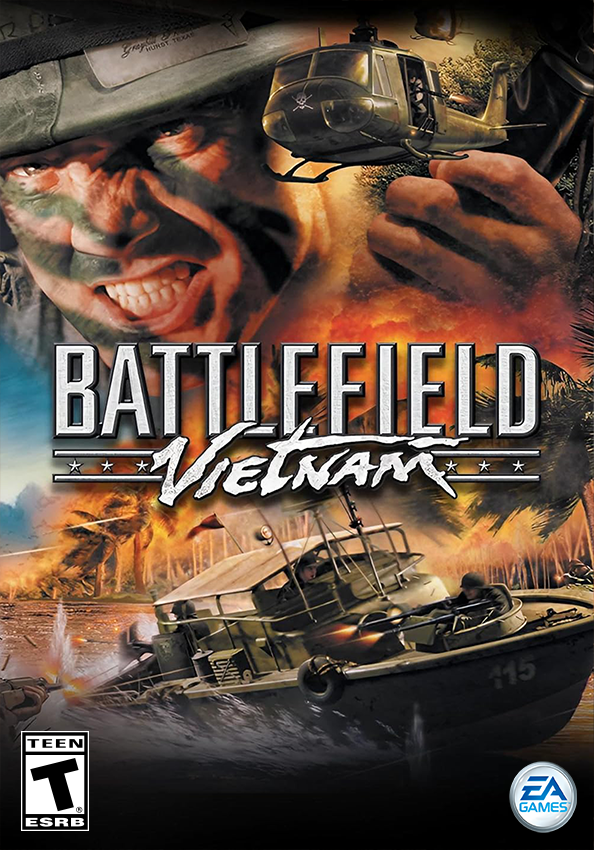
A Mac OS X release broadens access, while Battlefield Vietnam continues the franchise’s large-map multiplayer identity.
Battlefield 1942 becomes a fertile platform for mods and total conversions, giving it a long cultural life beyond the base release.
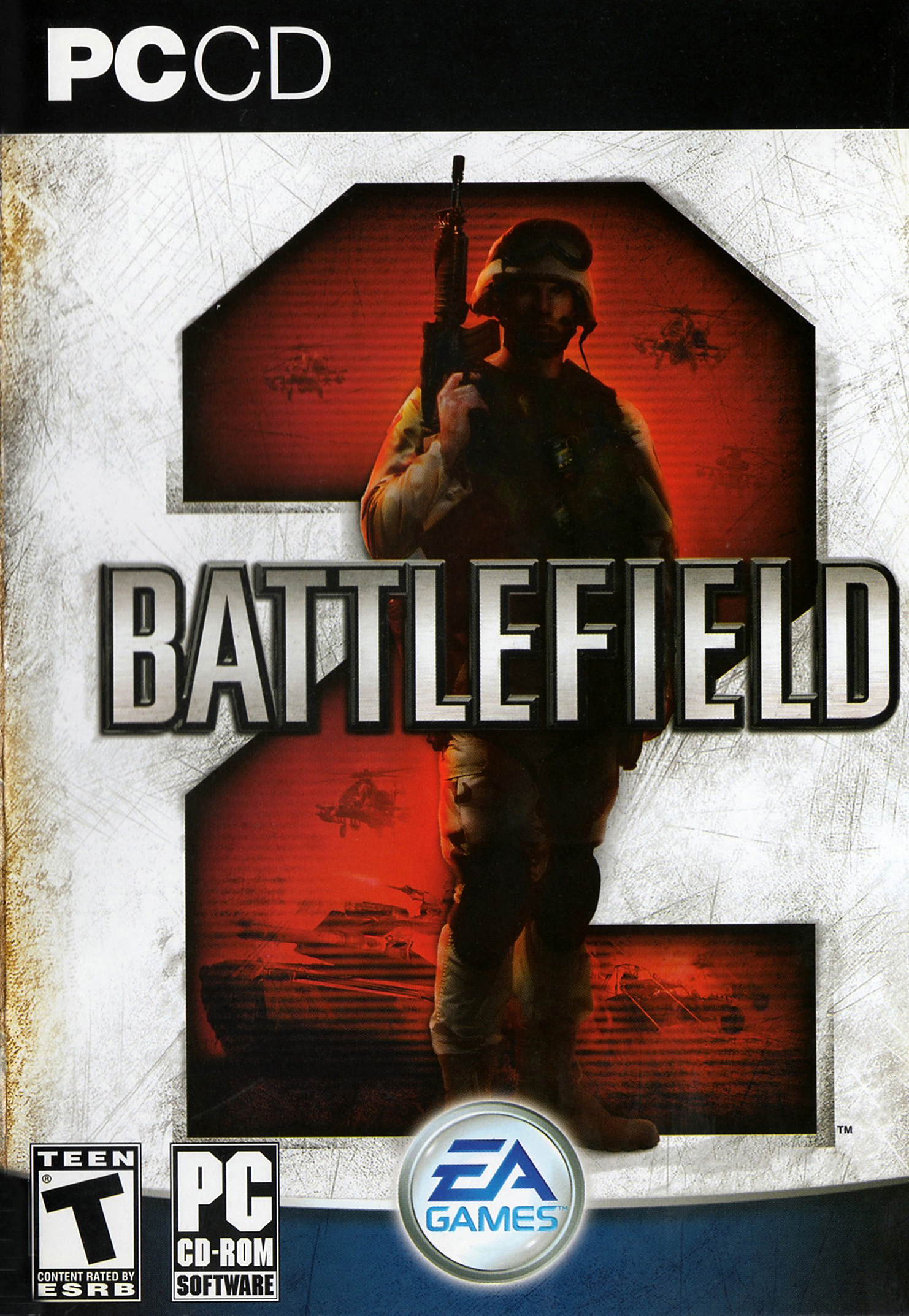
The sequel moves the series into modern combat and sharpens the class, squad, vehicle, and online structure that 1942 helped establish.
Battlefield 1942 remains a reference point for discussions of objective-based FPS design, combined-arms multiplayer, and PC online war-game history.
The 64-player war sandbox became the memory — but the PC CD-ROM box, Mac release, expansions, manuals, discs, anthology sets, modding culture, and early-2000s EA Games packaging are the artifacts.
Battlefield 1942 belongs in the collector lane because it is not only a famous multiplayer game: it is the physical beginning of a franchise language that would shape online shooters for decades.
Where to Play / Collect Today
Collecting Battlefield 1942 means collecting the birth of the combined-arms FPS franchise.
The strongest collector routes include original PC CD-ROM boxes, Mac OS X copies, The Road to Rome, Secret Weapons of WWII, Deluxe/Complete/Anthology releases, manuals, discs, jewel cases, big-box variants, and period magazine material.
A curated starting point for Battlefield 1942 collectors: original PC material first, expansion and anthology sets second, and preservation/display support where it helps keep the early-2000s PC identity intact.
eBay Collector Search
The strongest route for original Battlefield 1942 PC copies, expansion packs, complete/anthology editions, manuals, discs, big-box variants, and Mac OS X releases.
- Best chance for original 2002 PC-era material and boxed expansion packs.
- Search base game, Road to Rome, Secret Weapons, Deluxe, Complete, Anthology, and Mac terms separately.
- Check box condition, disc count, CD key status, manual presence, inserts, and region carefully.
4NERDS collector search for Battlefield 1942 original boxes, expansion packs, manuals, discs, and anthology releases.
Amazon Search
Useful for PC-game storage, disc sleeves, retro-gaming books, military game history context, shelf protection, and broader Battlefield-era collecting support.
- Better for storage, books, and accessories than rare original PC boxes.
- Good for disc protection and shelf organization.
- Use as a secondary route after eBay collector searches.
Replace YOURAMAZONTAG-20 once the final approved Amazon Associates tag is ready.
Etsy Collector Route
Potentially useful later for custom PC-gaming shelf labels, military-game display pieces, retro LAN-room signs, and Battlefield-themed collector presentation.
- Better suited for display objects than preservation-grade collecting.
- Keep separate from original discs, manuals, boxes, and expansion packs.
- Ready to activate once the Etsy strategy is finalized.
Placeholder route kept disabled until a final Etsy affiliate or curated shop strategy is available.