Dark Seed (1992)
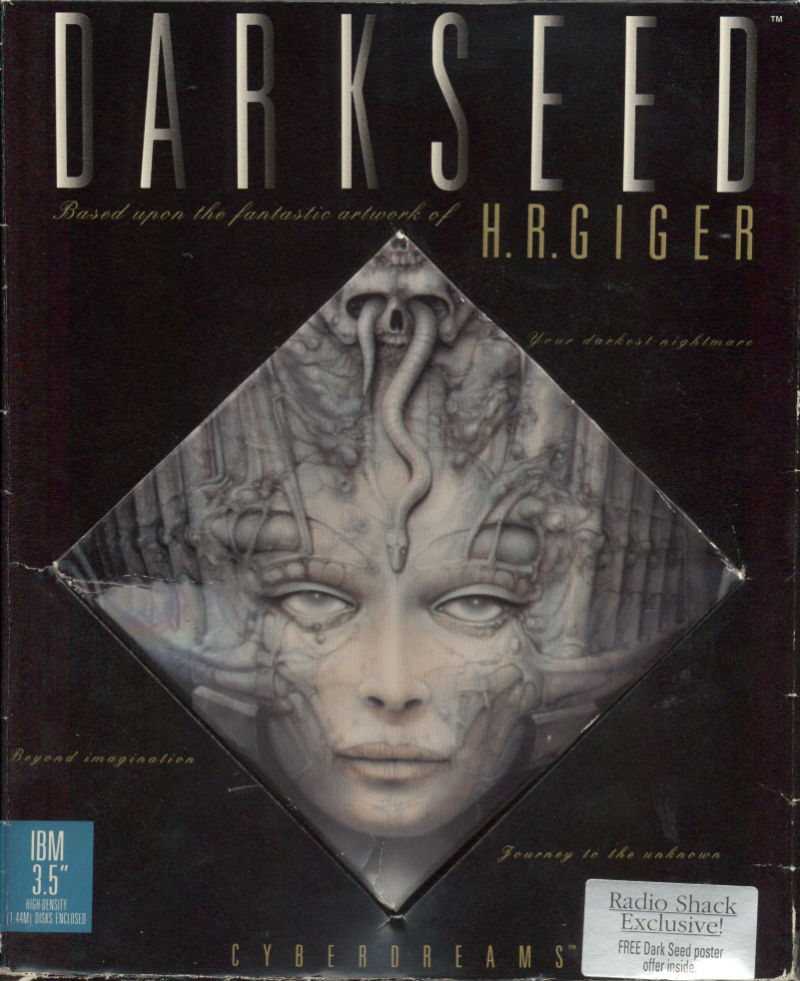
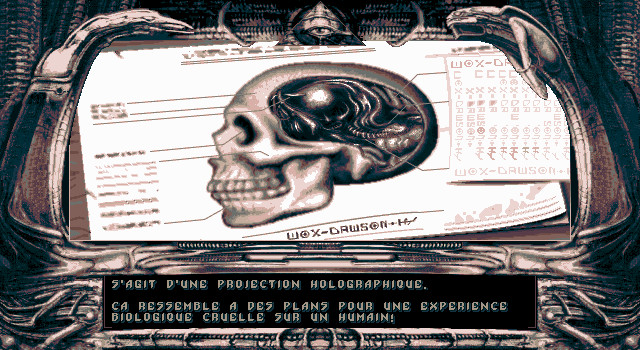
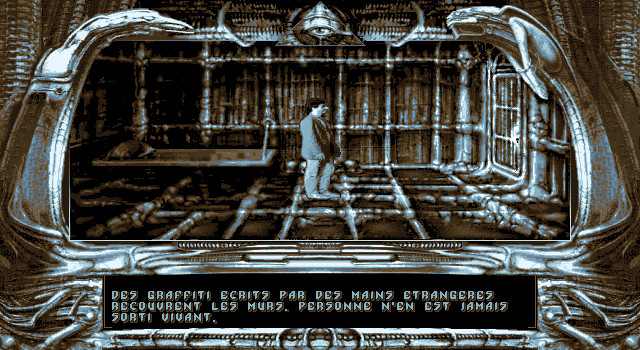
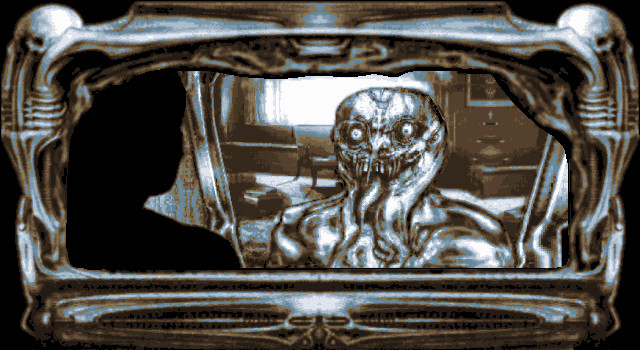
Dark Seed is a 1992 psychological horror point-and-click adventure developed and published by Cyberdreams, featuring biomechanical nightmare visuals inspired by H.R. Giger. You play Mike Dawson, trapped in a ticking-clock mystery where the “normal” world and an alien Dark World mirror each other—often with ruthless time constraints.
Game Data
| Release Year | 1992 |
| Developer | Cyberdreams |
| Publisher | Cyberdreams (PC) / GAGA Communications (JP console ports) |
| Platform | MS-DOS, Amiga, Macintosh (later: Amiga CD32, Sega Saturn, PlayStation) |
| Genre | Point-and-Click Adventure / Psychological Horror |
| Players | 1 |
| Original Media | Floppy Disk / CD-ROM |
Gameplay:
Classic adventure exploration with item puzzles—plus a notorious real-time structure. Many events must happen
at the right time and in the right order; the two worlds echo each other, so progress often depends on
understanding what changes across the mirror.
Story:
After buying an old mansion, Mike suffers a “nightmare” that may be real: an alien seed is implanted in his
brain. With only days to stop the birth, he investigates clues in town and enters the grotesque Dark World
to sever the Ancients’ influence before it’s too late.
Trivia:
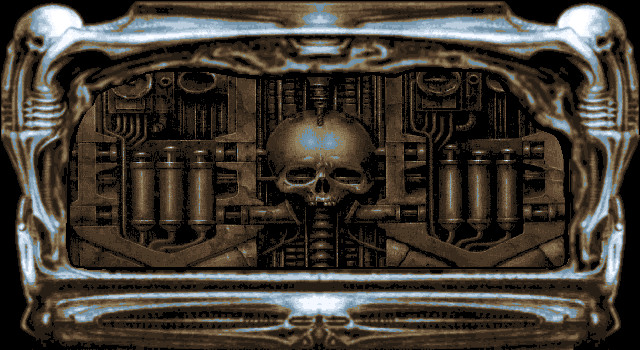
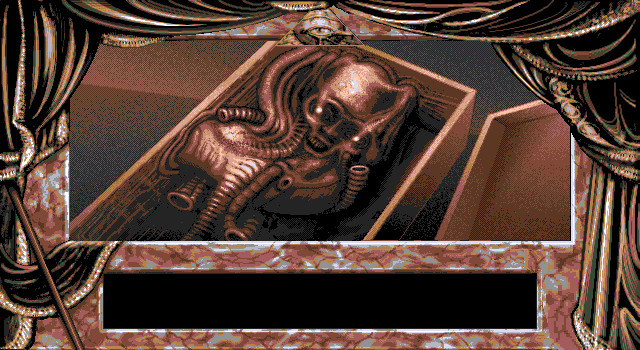
Dark Seed’s unsettling identity comes straight from H.R. Giger’s art direction and biomechanical designs,
giving adventure games one of their earliest truly surreal horror aesthetics.
Dark Seed is infamous for its oppressive “countdown adventure” design: atmosphere, mystery, and dread—then pressure. It’s fascinating, frustrating, and unforgettable in equal measure.

Screenshots / Media
Timeline / Versions
Why Dark Seed Was Historically Important
Dark Seed is a landmark for bringing a distinctive, art-driven horror identity to the point-and-click adventure genre. With H.R. Giger’s biomechanical imagery embedded into its world design, it proved games could borrow from “serious” surreal art and still create a cohesive interactive nightmare. Its harsh, time-gated structure also became a cautionary example: atmosphere can be legendary, but pacing and player freedom matter just as much.

