Darklands (1992)
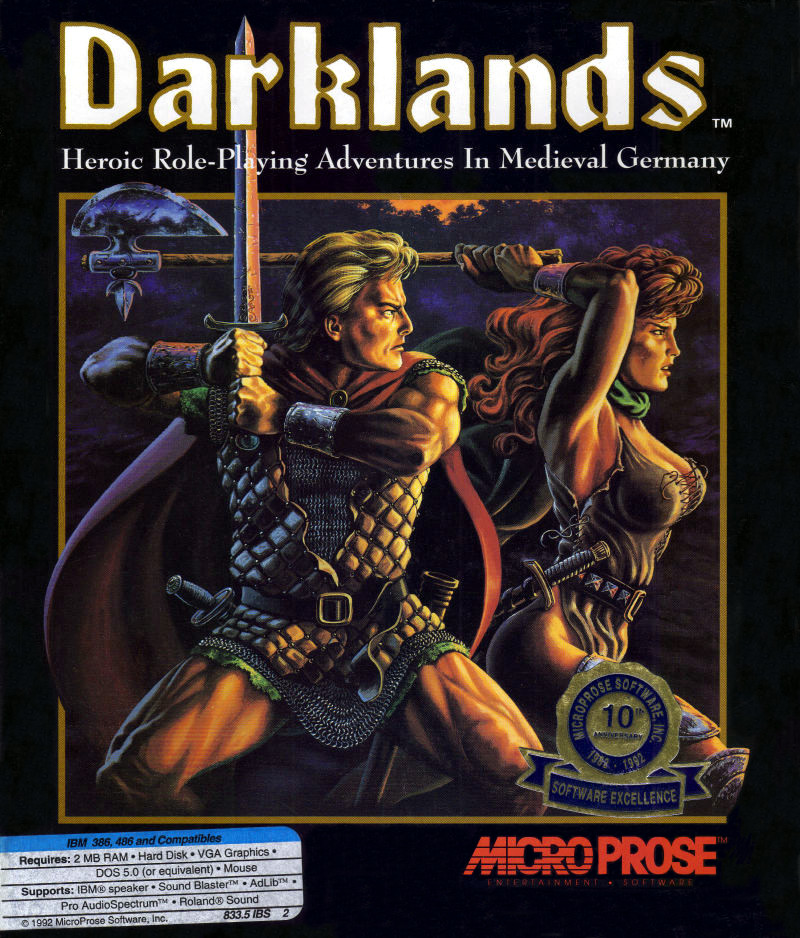
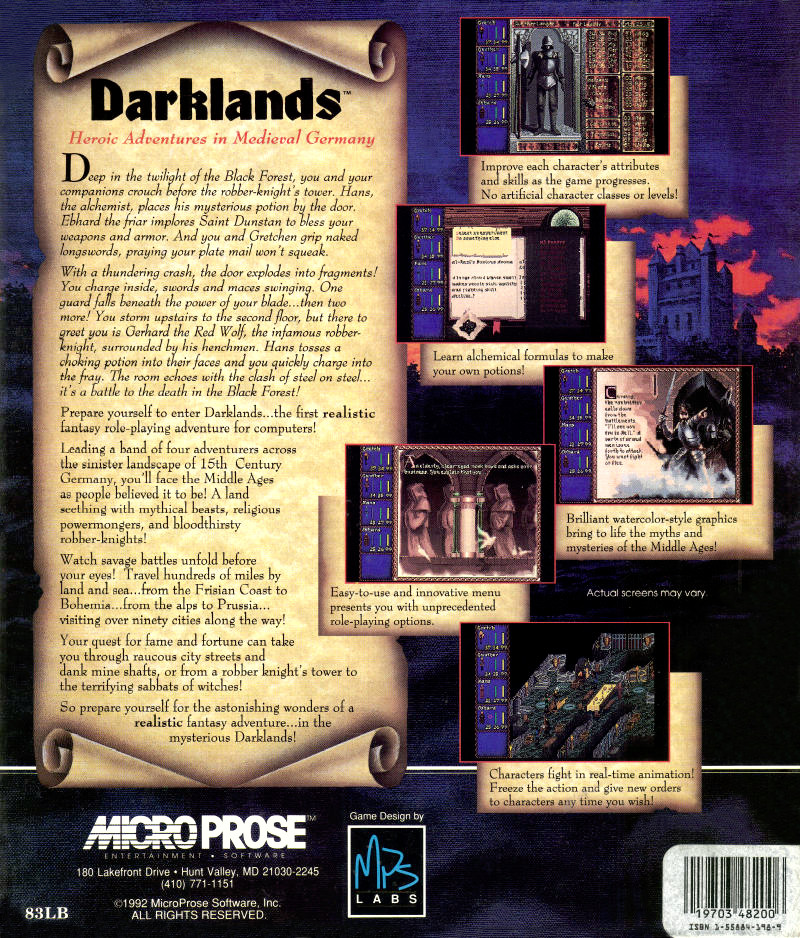
Darklands is a 1992 historical-fantasy RPG by MicroProse for MS-DOS, set in a myth-soaked Holy Roman Empire where medieval superstition is real. Build a party, travel between authentic cities, manage reputation region by region, brew alchemical “miracles,” and survive dangerous encounters that mix open-ended exploration with punishing combat.
Game Data
| Release Year | 1992 |
| Developer | MicroProse (MPS Labs) |
| Publisher | MicroProse |
| Platform | PC (MS-DOS) |
| Genre | RPG / Open-Ended CRPG |
| Players | 1 |
| Original Media | Floppy Disk (later CD-ROM / Digital) |
Gameplay:
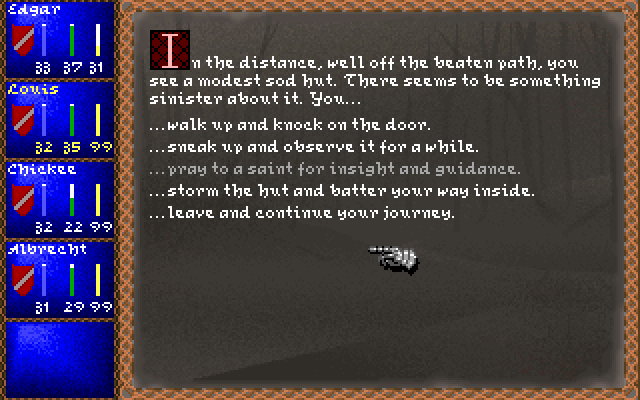
Create up to four characters and roam a huge map of real medieval cities. Pursue quests in multiple ways,
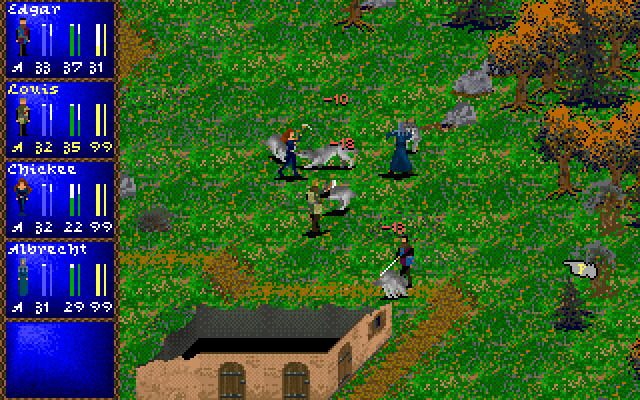
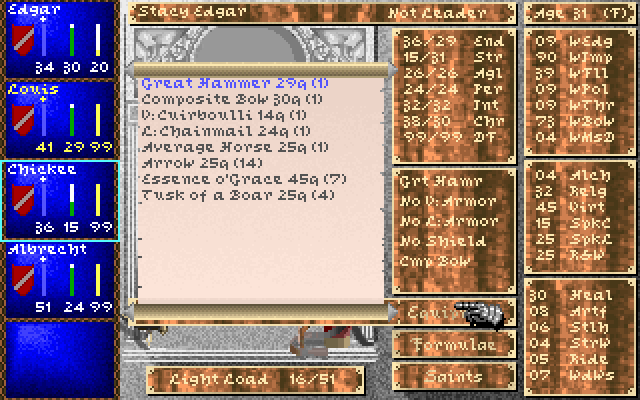
cultivate local reputation (and infamy), and prepare with gear, skills, and alchemy. Combat is dangerous and
can punish sloppy positioning and weak equipment choices.
Story:
There’s no single corridor plot—your party navigates robber-knights, witchcraft, saints, and secret cults while
chasing leads that can culminate in confronting a demonic endgame threat.
Trivia:
Darklands is often cited as an early example of open-ended “open world” structure in CRPGs—especially via its
reputation system and non-linear questing across regions.
Darklands stands out because it treats medieval “belief” as game logic: saints, relics, and folklore aren’t just flavor—they’re tools and threats. It’s messy, ambitious, and uniquely atmospheric.

Screenshots / Media
Timeline / Versions
Why Darklands Was Historically Important
Darklands is an early, high-ambition template for “open-ended CRPG” design: a big navigable world, region-based reputation, flexible questing, and systemic preparation (skills + equipment + alchemy) that matters as much as raw combat. Its historically grounded setting—blending accurate geography with authentic medieval worldview—also helped prove RPGs didn’t have to default to generic high fantasy to feel epic.


