Darkwing Duck (1992)
Darkwing Duck is a 1992 Capcom action-platformer for the NES (later ported to Game Boy). It plays like a Disney-era “Mega Man-style” stage selection platformer: tight jumping, brisk shooting with a gas gun, and memorable boss fights based on the show’s villains—because let’s get dangerous.
Game Data
| Release Year | 1992 |
| Developer | Capcom |
| Publisher | Capcom |
| Platform | NES / Famicom (GB port later) |
| Genre | Action / Platformer |
| Players | 1 |
| Original Media | Cartridge |
Gameplay:
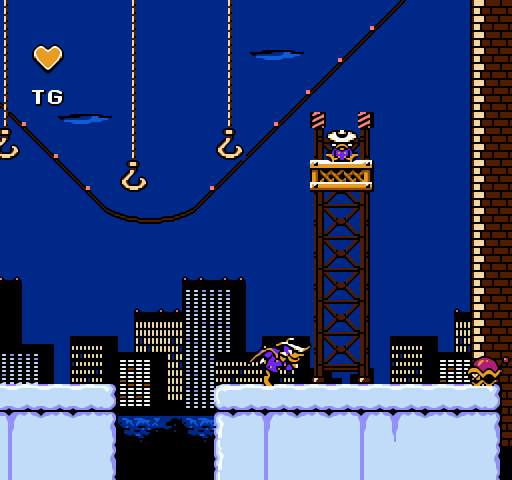
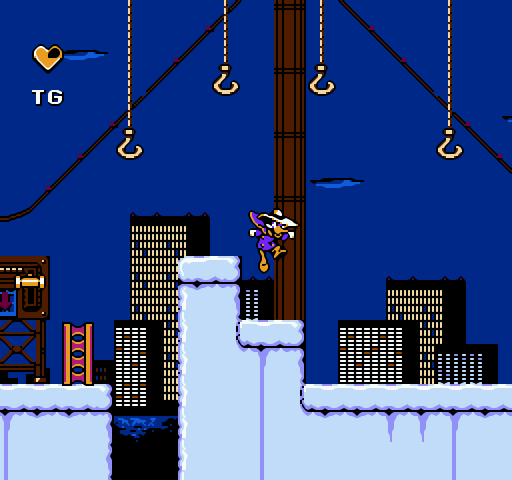
Run-and-jump platforming with a gas gun that can swap between special gas types (e.g., heavy/thunder/arrow-like
effects depending on pickup). Stages are chosen from a menu, bosses reward progress, and clever cape usage can
help in hectic projectile moments.
Story:
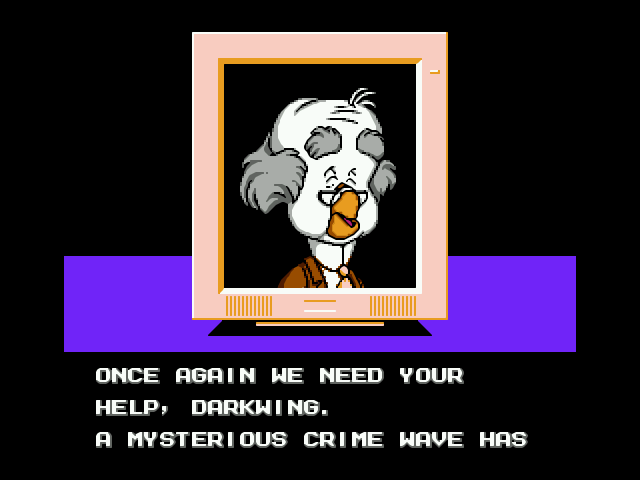
A crime wave hits St. Canard. S.H.U.S.H. calls in Darkwing to take down F.O.W.L.’s plan and defeat a lineup of
villains (Megavolt, Bushroot, Quackerjack and more) before confronting Steelbeak.
Trivia:
It’s often praised as one of Capcom’s strongest “Disney Afternoon” era licensed games—fast, fair (mostly),
and packed with character.
Darkwing Duck nails the licensed-game sweet spot: instantly readable visuals, snappy controls, and “TV-episode” pacing—short stages, big setpieces, and punchy bosses. It’s a perfect quick-hit NES platformer that still feels good to play today.


Screenshots / Media

Timeline / Versions
Why Darkwing Duck Was Historically Important
Darkwing Duck is a poster child for “licensed games done right” on the NES: Capcom reused proven platformer fundamentals, then layered on character, humor, and stage/boss variety that matched the cartoon. It helped cement the idea that TV/film properties could be genuinely great games—not just branding—especially in the late-era 8-bit period where craftsmanship really showed.


