Emerald Dragon (1989)
Emerald Dragon is a Japanese role-playing game developed by Glodia and first released in 1989 for NEC’s PC-8801 and PC-9801. It’s remembered for its strong story focus, dramatic character moments, and later console ports that added richer presentation.
Game Data
| Release Year | 1989 |
| Developer | Glodia |
| Publisher | Basho House (PC-88/PC-98) / later: NEC & others (ports) |
| Platform | PC-8801 Mk. II SR, PC-9801 (later: X68000, MSX2, FM Towns, PC Engine CD, Super Famicom) |
| Genre | Role-Playing Game |
| Players | 1 |
| Original Media | Floppy Disk |
Gameplay:
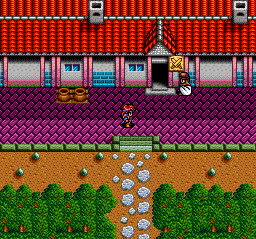
Classic top-down RPG exploration with towns, dungeons, and party progression. Many versions use turn-based battles and emphasize
narrative pacing over pure grind.
Story:
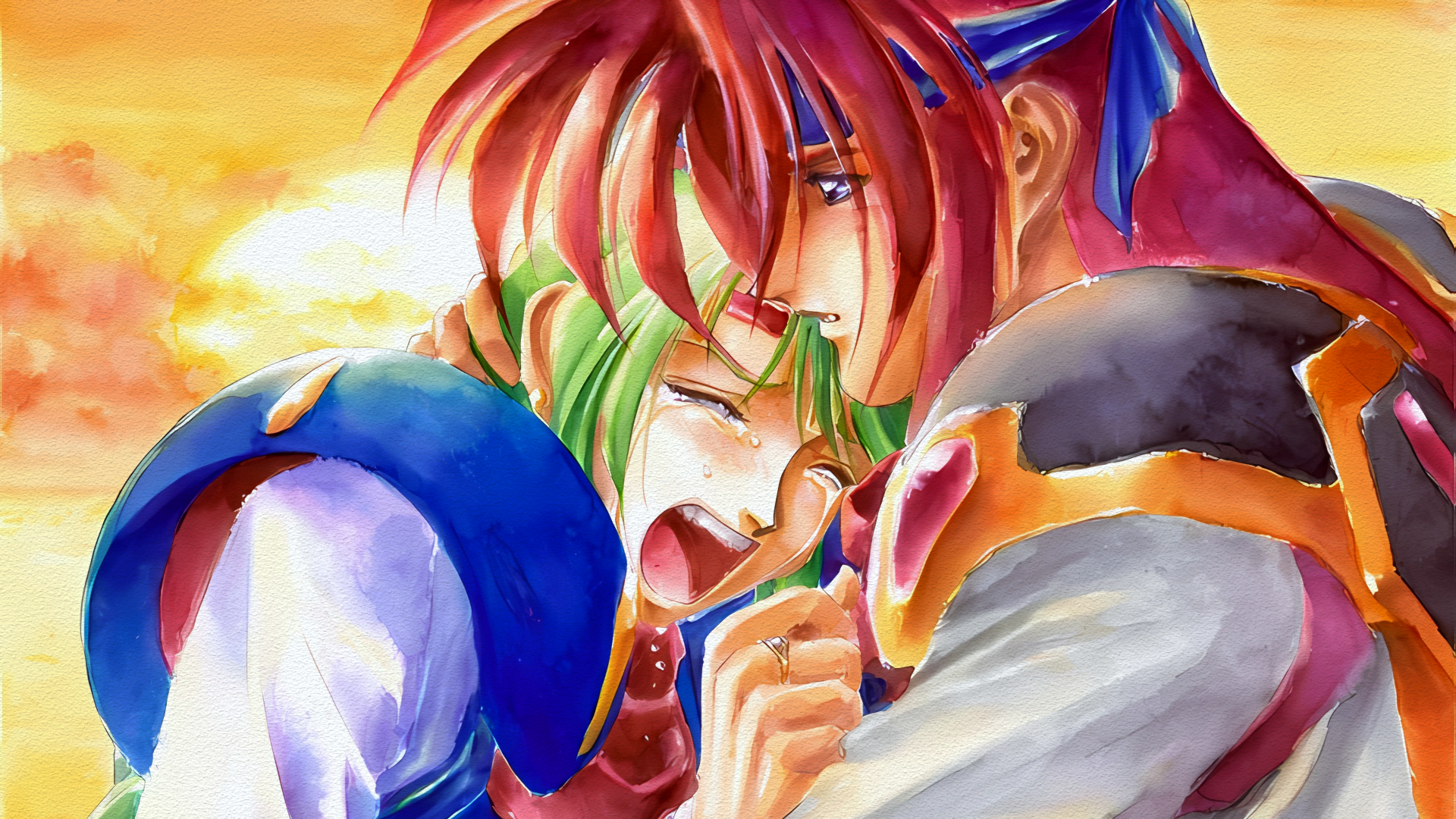
Atrushan, a dragon living among his kind, is forced into the wider world and drawn into human conflicts—meeting allies and enemies
while confronting prejudice, war, and identity.
Trivia:
Emerald Dragon is notable for having multiple distinct ports (PC and console) that can feel meaningfully different in presentation,
music, and event staging—especially the CD-based releases.
Emerald Dragon sits in that late-80s/early-90s sweet spot: traditional JRPG structure, but with a heavier emphasis on character drama and set-piece moments than many contemporaries—helped even more by later ports with upgraded audiovisuals.

Screenshots / Media

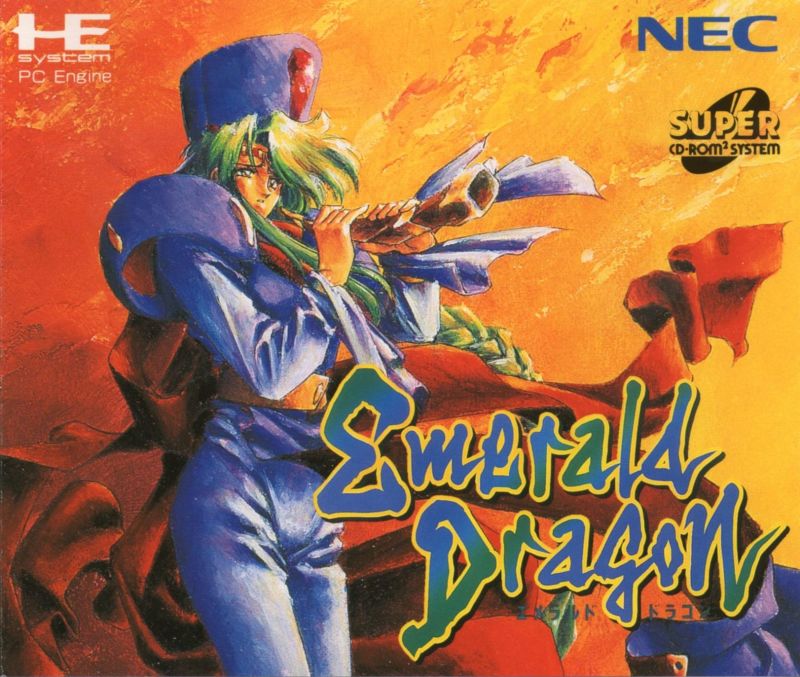

Timeline / Versions
Why Emerald Dragon Was Historically Important
Emerald Dragon is often remembered as a strong example of late-80s Japanese computer RPG design that leaned harder into character drama and narrative momentum. Its many ports across different platforms also make it a neat “bridge” title—showing how the same RPG could be re-presented with upgraded art, music, and event direction as hardware evolved.


