GradiusThe Power Meter That Became Genre Grammar
Konami’s precision space classic turned the shoot ’em up into a game of deliberate build choices: collect capsules, shape your Vic Viper loadout, survive cruel recoveries, and push through one of the most influential side-scrolling arcade adventures ever made.
Why Gradius still matters
- Power meter genius: the player chooses when to cash in upgrades, making progression strategic instead of random.
- Stage identity: volcanic zones, Moai heads, biological nightmares and core bosses give the game lasting visual memory.
- Skill tension: losing a powered-up ship can be brutal, but that brutality is part of the famous risk-reward rhythm.
- Genre weight: this is one of the side-scrolling shooters that helped write the arcade shmup rulebook.
“A shooter where your loadout is part of the drama.”
Gradius is not just about dodging well. It is about building power wisely — then trying not to lose everything.
The Power Meter That Became Genre Grammar
Gradius still feels special because its central idea is both simple and unusually elegant. Nearly every shooter gives you power. Gradius makes you decide when to claim it. Each capsule nudges the power meter forward, and every choice becomes a tiny tactical gamble.
Do you take Speed Up now, wait for Laser, save for an Option, or greed for a full setup and risk dying before cashing in? That turns the whole game into a drama of momentum, greed, recovery and control. Even decades later, that design still feels sharp.
At a glanceBest experienced as a precision arcade test where survival depends as much on upgrade timing as on raw dodging skill.
Game Data
| Title | Gradius |
| Original Release | 1985 |
| Original Platform | Arcade |
| Developer | Konami |
| Publisher | Konami |
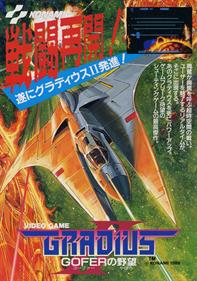
| International Title | Nemesis in several international arcade territories |
| Player Ship | Vic Viper |
| Main Enemy | Bacterian empire |
| Genre | Horizontally scrolling shooter / shoot ’em up |
| Players | 1–2 players, alternating arcade-style play |
| Signature System | Capsule-driven power meter with selectable upgrades |
| Important Home Routes | Famicom / NES, MSX, PC Engine, collections, Arcade Archives, Gradius Origins |
| Modern Access | Arcade Archives GRADIUS, Gradius Origins, classic collections and original hardware routes |
| Core Loop | Collect capsules, build loadout, survive, break the core |
Gameplay pillars
Power-meter planning, checkpoint recovery, Option positioning, boss-core targeting, memorization, stage-specific threat control, and the constant risk of losing a carefully built Vic Viper setup.
Story / setup
The peaceful planet Gradius is threatened by the Bacterian empire, and the super-dimensional fighter Vic Viper becomes the last hope against the enemy fortress and its forces.
Most famous design fact
Instead of separate pick-ups for every weapon, Gradius uses a single capsule-driven power meter, letting the player choose the timing and order of upgrades.
Review / Why Gradius Still Commands Respect
Gradius makes a strong first impression because it understands escalation. The Vic Viper begins fragile and underpowered, which means the opening moments are not just warm-up. They are instruction. Every capsule matters. Every upgrade feels earned.
The power meter is the masterstrokeThis is the mechanic that made Gradius historic. By tying power growth to a meter instead of separate drop types, the game turns resource timing into strategy. Some players rush speed and laser. Others chase Options. Others build safer setups first. The game becomes partly about piloting, but equally about judgment.
Why the levels stick in memoryGradius also stands out because its stages feel thematic rather than generic. The Moai heads are not just obstacles; they are unforgettable iconography. The game’s worlds move from military space hardware to volcanic danger to surreal biological horror, and that range gives it an identity many contemporaries lacked.
There is, of course, the famous sting. Dying in Gradius can feel catastrophic because the fully armed Vic Viper and the reset ship are effectively different species. Some players will see that as cruelty. Others will see it as the source of the game’s tension. Both readings are fair.
The core boss languageGradius also gave players an image that became inseparable from the series: dismantle the fortress, open the weak point, destroy the core. That rhythm makes boss fights feel less like random hit-point races and more like mechanical procedures under pressure.
Final verdictGradius remains one of the great arcade shooters because it fused elegant systems with strong stage character and real risk. Once the power-meter rhythm clicks, the whole game opens up as a brilliant dance between preparation, nerve and precision.
Why It Matters
Gradius is one of the games that helped define the horizontal shooter as a major arcade form. Its influence did not come from spectacle alone. It came from systems. The power meter offered a new way to think about upgrades, the Options made positioning feel expressive, and the stage design gave players memorable worlds instead of interchangeable space corridors.
It also mattered because it gave the shooter genre a stronger authored identity. Gradius stages feel designed around set-piece ideas, not simply increasing enemy counts. The Moai stage alone became legendary enough to function like a series signature. Boss cores, carefully timed weapon choices and recovery pressure all made the game feel like a complete language.
In broader genre history, Gradius belongs among the key shooter landmarks. It helped pave the way for later side-scrolling classics, from its own sequels to rivals and descendants that borrowed ideas about stage identity, selectable firepower, memorization and controlled escalation.
Why it mattered then
It gave arcades a shooter that felt deeper, stranger and more strategic than many of its peers.
Why it matters now
It still reads as one of the cleanest examples of how one central mechanic can define an entire game.
What it changed
It helped standardize the language of the side-scrolling shmup: upgrade planning, stage theming, core bosses and harsh recovery loops.
Timeline / Key Milestones
Gradius launches in arcades and quickly establishes itself as a standout horizontal shooter built around the Vic Viper and its power meter.
International arcade routes use the Nemesis title in several territories, helping the game spread outside Japan while keeping its core design identity intact.
The Famicom version helps carry Gradius from arcade legend into household-name territory.
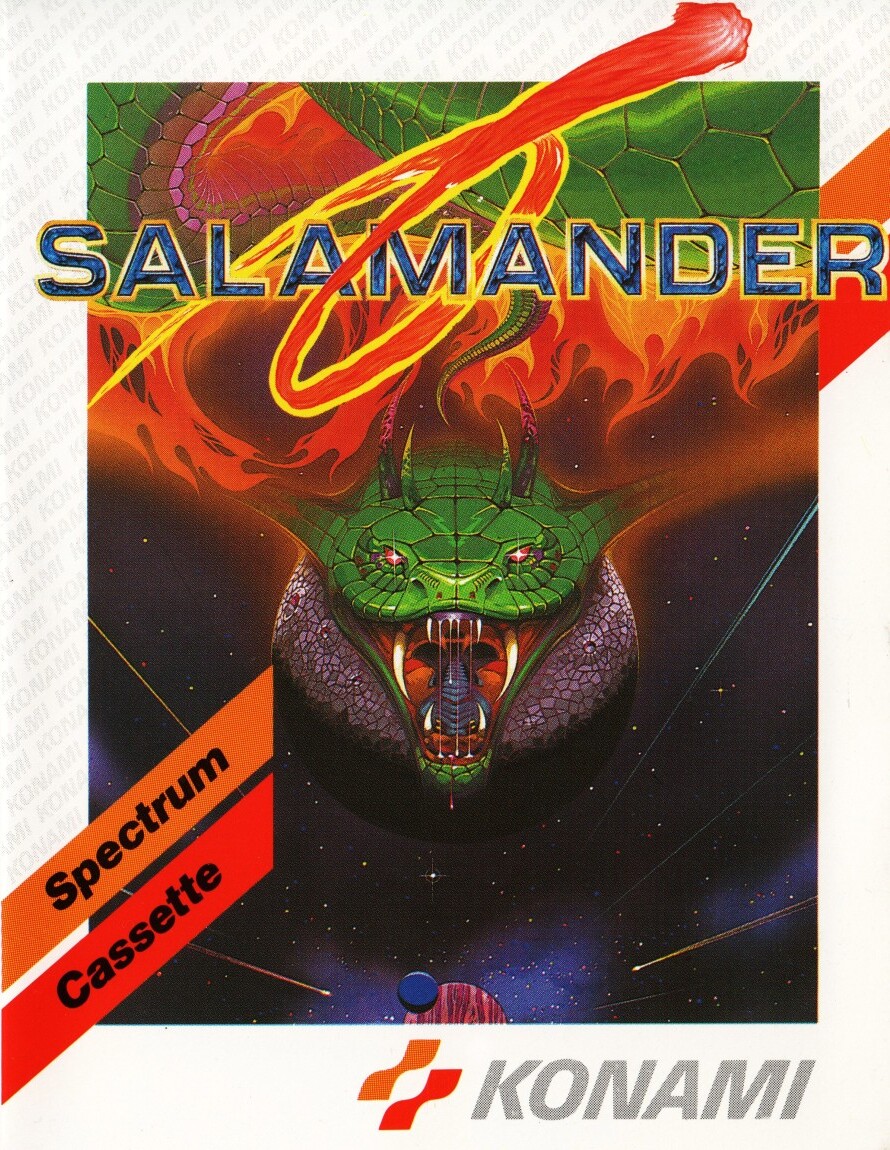
Salamander follows and broadens the wider Gradius universe, proving the formula could become a long-running Konami pillar.
Hamster’s Arcade Archives line brings the arcade original back on modern hardware, beginning with PlayStation 4 and later expanding to Nintendo Switch.
Arcade Archives GRADIUS arrives on Nintendo Switch, making the original arcade game easy to access on modern Nintendo hardware.
Konami’s Gradius Origins collection arrives on modern platforms, preserving 18 versions across seven arcade titles and reaffirming the series’ foundational status.
Gradius remains a reference point for power-up strategy, side-scrolling shooter pacing, stage identity and recovery tension.
The Vic Viper, Bacterian war, capsule meter, Speed Up decisions, Missile routes, Laser confidence, Options, Shields, Moai heads, core bosses, Nemesis flyer identity, Famicom conversion, Arcade Archives access, Gradius Origins preservation, and Konami shooter legacy became the memory — but the boards, flyers, carts, boxes, manuals, marquees, collections and modern releases are the artifact trail.
Gradius belongs in the collector lane because it is more than a famous shooter: it is one of the cleanest examples of a single arcade mechanic becoming long-term genre language.
Where to Play / Collect Today
Collecting Gradius means collecting one of Konami’s defining arcade languages.
Strong collector routes include original arcade PCBs, Japanese Gradius and international Nemesis flyers, Famicom and NES cartridges, MSX and PC Engine versions, manuals, instruction cards, marquees, soundtrack material, Arcade Archives access, Gradius Origins, Salamander context, Gradius II, and broader Konami shooter shelf pieces.
A curated starting point for Gradius collectors: original arcade material first, Famicom / NES and classic home routes second, then modern collections, storage, display supplies, and wider Konami shmup lineage pieces.
eBay Collector Search
The strongest route for physical Gradius collecting: arcade PCBs, flyers, marquees, Famicom and NES carts, MSX / PC Engine versions, manuals, inserts, instruction cards, and Konami shooter lots.
- Best chance for arcade boards, Japanese / Nemesis flyers, Famicom carts, NES copies, manuals, marquees, and regional variants.
- Search Gradius arcade PCB, Nemesis flyer, Gradius Famicom, Gradius NES, Gradius MSX, Gradius PC Engine, and Konami shooter lot separately.
- Check board authenticity, region, label state, manual presence, flyer condition, cartridge shell, box wear, and seller photos carefully.
4NERDS collector search for Gradius arcade, Nemesis flyers, Famicom / NES carts, MSX / PC Engine versions, manuals, and Konami shooter lots.
Amazon Search
Useful for cartridge protectors, display stands, game storage, arcade-history books, Switch / PlayStation accessories, modern Gradius routes, controller options, and shelf organization around a Konami shooter collection.
- Better for protectors, storage, display supplies, controller options, books, and modern companion releases.
- Good for game cases, cartridge sleeves, shelf stands, arcade-stick accessories, and shmup history context.
- Use as a secondary route after eBay collector searches.
Replace YOURAMAZONTAG-20 once the final approved Amazon Associates tag is ready.
Etsy Collector Route
Potentially useful later for Gradius-style shelf labels, Vic Viper display cards, Moai-stage dividers, Konami arcade plaques, and shoot ’em up collection signage.
- Better suited for display objects than preservation-grade collecting.
- Keep separate from original boards, carts, flyers, manuals, official ports, and verified Konami releases.
- Ready to activate once the Etsy strategy is finalized.
Placeholder route kept disabled until a final Etsy affiliate or curated shop strategy is available.