King’s QuestA Crown Remembered
The Odd Gentlemen’s storybook reboot turns Graham’s legend into a warm, funny, choice-driven coming-of-age fantasy — part puzzle adventure, part interactive fairy tale, and one of the most respectful modern revivals of a classic Sierra name.
Why it still works
- Smart rebooting: it revives Graham without pretending the 1980s can simply be copied forward unchanged.
- Tone: storybook humor, warmth, melancholy, and whimsy all coexist unusually well.
- Choice design: bravery, wisdom, and compassion shape scenes and storytelling without turning the game into grim morality theatre.
- Historical bridge: it gives old Sierra fans a respectful re-entry point while staying playable for newcomers.
“A reboot that remembers why people loved the crown.”
Not a literal remake of King’s Quest I — a gentler, more cinematic retelling of how Graham became worthy of legend.
A Reimagined Beginning for Graham
King’s Quest (2015) succeeds because it understands that legacy is not the same thing as repetition. Instead of rebuilding the original game screen by screen, it reframes the myth of Graham as something remembered, reshaped, and told across generations.
The elderly king narrates his past to Gwendolyn, and that framing device gives the whole reboot an unusually warm texture: this is not just a fantasy quest, but a story about how legends are made, softened, exaggerated, and passed down.
At a glanceBest experienced as a storybook reboot of Graham’s rise — especially Chapter I: A Knight to Remember, the clearest modern echo of King’s Quest I.
Game Data
| Title | King’s Quest |
| Release | 2015–2016 episodic release |
| Developer | The Odd Gentlemen |
| Publisher | Sierra Entertainment / Activision |
| Platforms | Windows, PlayStation 3, PlayStation 4, Xbox 360, Xbox One |
| Genre | Adventure / narrative puzzle |
| Players | 1 player |
| Structure | Five chapters + epilogue |
| Core Loop | Explore, choose, solve, narrate, remember |
Gameplay pillars
Exploration, environmental puzzle solving, branching dialogue, light action sequences, story choices, and a one-button context interaction style that keeps the interface approachable.
Story
An elderly King Graham recounts the adventures that shaped him to his granddaughter Gwendolyn. Chapter I retells his arrival in Daventry and his attempt to become a knight — the reboot’s closest mirror to the first King’s Quest.
Most famous reboot fact
The reboot is not a direct remake. It treats the classic games as legend, then reimagines key parts of Graham’s life with modern pacing, stronger characterization, and choice-driven storytelling.
Review / Why the Reboot Still Feels Special
The reboot makes a smart first impression because it does not chase grim prestige or ironic detachment. It opens like a fireside tale: old Graham, young listener, kingdom remembered. That framing instantly separates it from both the original parser era and the harsher modern adventure boom.
Why the writing carries itThe strongest thing in King’s Quest is not a single puzzle or set-piece, but its voice. Graham is earnest without being bland. Gwendolyn gives the entire game a human center. The narration allows memory, exaggeration, and regret to shape scenes in a way most reboots never attempt.
This is not the old Sierra school of random deaths and punishing dead ends. Instead, the reboot asks the player to approach problems through courage, cleverness, or empathy. Those choices do not radically rewrite the whole game, but they do change tone, dialogue, and texture.
Where it differs from classic King’s QuestAnyone expecting a pure point-and-click or parser revival may find the reboot softer around the edges. It includes conversation scenes, guided sequences, and a broader cinematic sensibility. Yet that is also why it works: it preserves the fairy-tale identity of the series while discarding much of the friction that once kept newcomers at arm’s length.
Final verdictKing’s Quest (2015) is not important because it perfectly replicates the old games. It is important because it recognizes what still matters in them: wonder, humor, danger, cleverness, and the sense that Graham’s rise to greatness is worth retelling. For a reboot, that is a rare form of wisdom.
Why It Matters
King’s Quest (2015) matters because reboots of foundational series usually fail in one of two ways: either they flatten the source into nostalgia bait, or they reject the source so aggressively that the original identity disappears. The Odd Gentlemen avoided both traps.
Their King’s Quest remains recognizably about Graham, Daventry, and storybook adventure, but it is presented through modern narrative design and a warmer, more character-driven lens. It arrived during a period when classic revival often meant harder, harsher retro homage. King’s Quest went in the opposite direction: it pursued generosity instead of severity.
For series history, Chapter I is especially important because it becomes the reboot’s answer to King’s Quest I: not a literal restaging, but a modern myth-making of Graham’s beginning. In that sense, the game does not replace the crown — it retells how the crown was earned.
Why it mattered then
It proved Sierra’s name could return in a form that felt respectful, inviting, and modern rather than cynical.
Why it matters now
It remains one of the better examples of how to revive a legacy series without erasing its personality.
What it changed
It reframed King’s Quest not just as a puzzle lineage, but as a multigenerational fantasy story worth retelling with new emotional nuance.
Timeline / Key Milestones
King’s Quest begins on PC and helps define the visual adventure game as a major computer genre.
Activision revives Sierra and hands the new King’s Quest to The Odd Gentlemen, setting up a re-imagined return rather than a direct sequel.
The first chapter launches and introduces young Graham’s journey to knighthood — the reboot’s clearest modern reflection of the first game’s mythic beginning.
The story expands across five chapters, reinterpreting different pieces of Graham’s life and the broader King’s Quest legacy.
The full episodic arc, plus epilogue, solidifies the reboot as a complete reinterpretation rather than a one-off revival experiment.
It remains one of the more fondly remembered examples of a legacy-adventure reboot done with restraint, empathy, and personality.
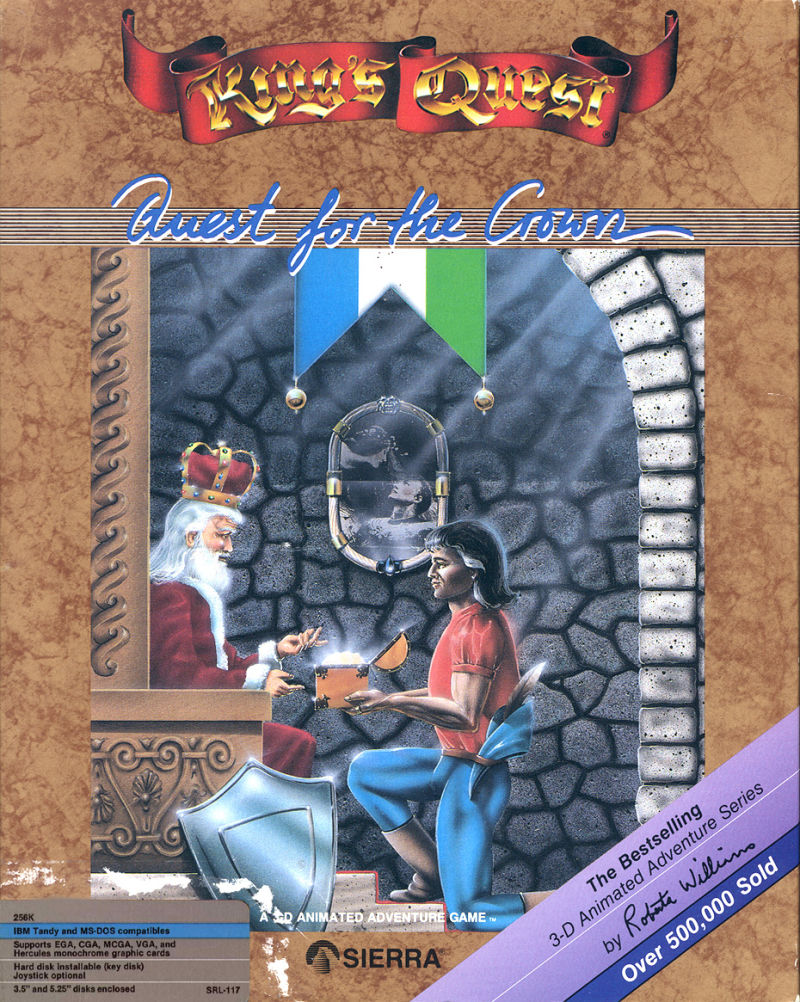
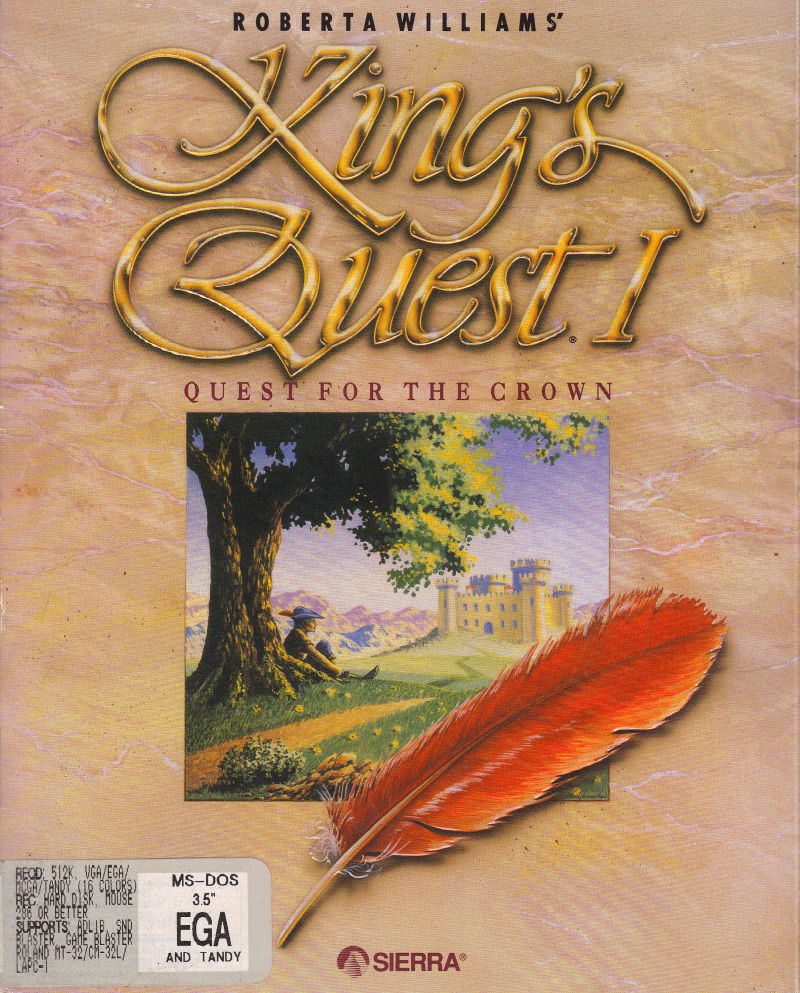
The crown became the memory — but the Sierra boxes, Complete Collection, guides, console copies, art, and Daventry iconography are the artifacts.
King’s Quest (2015) belongs in the collector lane because it connects classic Sierra adventure history, modern reboot culture, Graham’s multigenerational story, physical console editions, PC adventure nostalgia, guide collecting, and the wider museum value of Daventry as one of adventure gaming’s foundational fantasy kingdoms.
Where to Play / Collect Today
A Sierra revival artifact with strong classic-box, modern-console, guide, and adventure-history collector appeal.
For collectors, King’s Quest is especially interesting because it spans several lanes: classic Sierra releases, modern console copies, Complete Collection editions, guidebooks, PC adventure history, Daventry art, and the unusual case of a reboot that tries to preserve warmth rather than simply chase nostalgia.
Amazon notice: As an Amazon Associate I earn from qualifying purchases.
A curated access point for adventure fans, Sierra collectors, and storybook-fantasy players: original releases, modern physical editions, current marketplace listings, related books and accessories, and future handmade display pieces.
Shop King’s Quest collectibles
Browse current King’s Quest offers on eBay — useful for classic Sierra boxes, modern console copies, complete collections, manuals, guides, and collector-grade adventure-game finds.
- Classic Sierra and modern reboot listings
- Boxed versions, guides, and collection pieces
- Condition, edition, region, and price comparison
Paid partner link / Werbung — availability, seller terms, shipping, and pricing depend on individual eBay sellers.
Browse related King’s Quest finds
Explore Amazon for King’s Quest-related items, Sierra adventure books, retro gaming guides, PC adventure history, display-friendly extras, and broader fantasy-adventure collectibles.
- Books, guides, accessories, and merch
- Gift ideas and adventure-game extras
- Broader Sierra and storybook-fantasy browsing
Paid partner link / Werbung — as an Amazon Associate, 4NERDS Gaming may earn from qualifying purchases.
Curated Etsy picks coming soon
Planned for handmade fantasy-retro art, Sierra-inspired display pieces, shelf decor, framed adventure maps, posters, and museum-style collectibles that match the 4NERDS archive aesthetic.
- Wall art and display-focused pieces
- Handmade and fan-crafted style items
- Added once the setup is ready
Etsy affiliate integration will be added after the tracking setup is approved and tested.