- Atmosphere first: Llewdor feels magical, threatening, and painterly in a way the AGI original could only suggest.
- Strong modernization: point-and-click controls and clearer presentation make a notoriously punishing Sierra game far more approachable.
- Still has teeth: chores, timing pressure, spell prep, and danger remain central to the experience.
- Fan-remake prestige: one of the strongest examples of a freeware remake treating Sierra history like living material.
“A fairy tale, a prison break, and a coming-of-age spellbook.”
Less of a simple facelift than a carefully curated “best possible memory” of King’s Quest III.
The Most Complete AGDI King’s Quest
King’s Quest III Redux is one of those fan remakes that no longer feels like a curiosity. It feels like a serious alternate edition of a Sierra classic — one made by people who clearly understood what made the original memorable, but also what made it intimidating, brittle, and occasionally exhausting. The result is a richer and smoother version of Gwydion’s journey: escape, learn, steal knowledge, survive, and finally grow into Alexander. It keeps the ritual and the tension, but frames both with much stronger visual storytelling.
Game Data
| Title | King’s Quest III Redux: To Heir Is Human |
| Release Year | 2011 |
| Developer | AGD Interactive |
| Publisher | AGD Interactive |
| Platform | Windows / Mac |
| Genre | Point-and-click graphic adventure |
| Players | 1 player |
| Original Basis | King’s Quest III: To Heir Is Human (1986) |
| Core Loop | Obey, explore, gather, cast, escape, endure |
Timed chores, secret exploration, spell preparation, inventory puzzle chains, world traversal, and classic Sierra-style consequences with modern point-and-click handling.
Raised as a servant by the wizard Manannan, Gwydion secretly learns magic, escapes captivity, crosses Llewdor and beyond, and gradually discovers he is not merely a servant at all, but royal blood returned from disappearance.
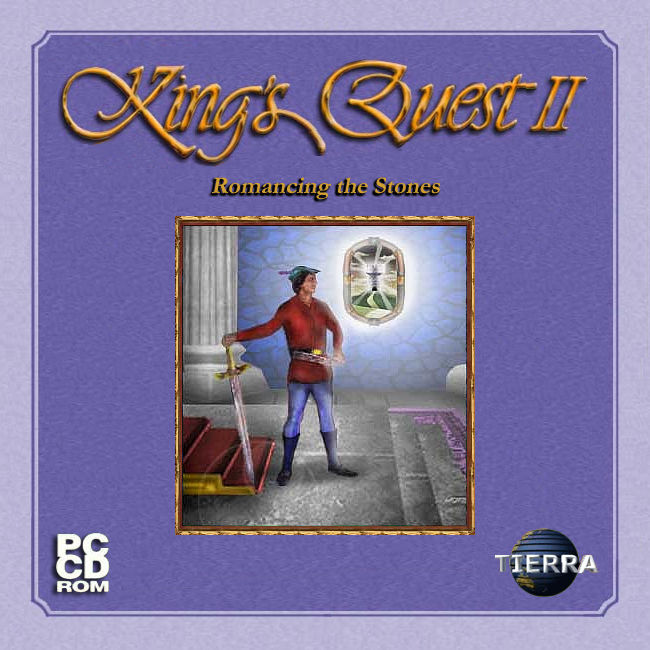
AGDI called this game neither a strict 1:1 remake nor a total rewrite like Romancing the Stones, but something in between — a “Redux” that preserves the skeleton while refining the journey.
Review / Why It Still Plays So Well
What stands out immediately is that this version understands mood. King’s Quest III was always one of Sierra’s strangest and most oppressive early adventures, because it begins not with heroic freedom, but with servitude. You are trapped in a wizard’s house. You are watched. Time matters. Small mistakes matter. Redux does not erase that tension. It reframes it with clearer visuals, better pacing, and a stronger sense of place.
WHY THE OPENING STILL HAS POWERThe chores remain brilliant because they make the game feel lived-in. Before you become a rescuer, prince, or spellcaster, you are a frightened servant trying not to be punished. That early vulnerability gives the game an identity that still separates it from other King’s Quest entries. Redux preserves that identity while making the timing and expectations feel less arbitrary than in the 1986 original.
SPELLCRAFT AS ADVENTURE DESIGNOne of the great pleasures of King’s Quest III has always been that magic feels procedural. You do not simply “learn spells”; you gather, translate, prepare, combine, and risk discovery. Redux makes this loop more readable and much more atmospheric. The wizard’s laboratory becomes one of the game’s strongest spaces because it feels simultaneously forbidden, empowering, and narratively charged.
WORLD AND PRESENTATIONOnce the game opens outward into Llewdor, pirates, deserts, caves, beasts, and finally Daventry-linked revelation, the remake’s art direction really starts to pay off. The backgrounds have a fairy-tale storybook quality, but they do not feel soft or harmless. There is still danger in the framing. There is still old Sierra meanness in the bones. That mixture gives Redux much of its personality.
FINAL VERDICTKing’s Quest III Redux succeeds because it does not try to flatten the original into comfort. It understands that part of the game’s legacy is its pressure, its rituals, and its sense of earned escape. AGDI modernizes the interface and presentation, but it leaves the soul intact. That is why it feels less like a replacement and more like the version many players wish had existed all along.
Why Historically Important
King’s Quest III Redux is historically important because it represents the mature end of the AGD Interactive remake line. Their earlier King’s Quest projects already proved that fans could lovingly restore Sierra adventures with VGA visuals and point-and-click controls. Redux goes further by showing how a remake can refine, reorganize, and elevate without losing the structure that made the original memorable.
It also matters because King’s Quest III is not the easiest Sierra game to modernize. Its identity depends on routine, punishment, fear of being caught, ritualized spell work, and high-stakes progression. Many remakes would smooth all of that away. Redux instead preserves the tension while making it more readable. That balancing act is exactly why it still earns respect.
More broadly, this title remains one of freeware adventure gaming’s prestige pieces. It showed that fan remakes could have strong art direction, polished music, voice acting, promotional campaigns, and a distinct interpretive point of view. It is not just part of King’s Quest history. It is part of the history of how fans archived, re-authored, and extended classic PC adventures.
Timeline / Key Milestones
King’s Quest III: To Heir Is Human introduces Gwydion, wizard-servitude tension, spell creation, and the series’ first major shift away from Graham as protagonist.
AGDI’s earlier King’s Quest I and II remakes establish the visual, interface, and narrative groundwork that Redux will later build upon.
King’s Quest III Redux launches publicly after years of quiet development, presented as AGDI’s most polished remake yet.
Version 1.1 arrives with bug fixes, feature refinements, and support updates for both PC and Mac users.
The game becomes one of the standout examples cited when players discuss high-end adventure fan remakes that feel close to commercial quality.
It remains a vital part of King’s Quest preservation culture and one of the strongest ways to revisit Alexander’s origin story.
4NERDS Collector Marketplace
A curated access point for King’s Quest fans, Sierra collectors, adventure historians, and retro-PC players: boxed releases, classic collections, manuals, maps, guides, books, accessories, and future handmade display pieces — clearly marked as partner links where applicable.
Shop King’s Quest collectibles
Browse current King’s Quest offers on eBay — ideal for classic Sierra boxes, floppy releases, manuals, maps, spell-book materials, PC collections, and collector-grade adventure finds.
- Classic Sierra and King’s Quest listings
- Boxed editions, manuals, maps, and guides
- Condition, region, platform, and price comparison
Paid partner link / Werbung — availability, seller terms, shipping, and pricing depend on eBay sellers.
Browse related King’s Quest finds
Explore Amazon for King’s Quest-related items, Sierra adventure books, retro gaming guides, PC adventure history, fantasy-adventure extras, and broader storybook gaming collectibles.
- Books, guides, accessories, and merch
- Gift ideas and adventure-game extras
- Broader Sierra and PC-retro browsing
Paid partner link / Werbung — as an Amazon Associate, 4NERDS Gaming may earn from qualifying purchases.
Curated Etsy picks coming soon
Planned for handmade fantasy-retro art, Sierra-inspired display pieces, framed adventure maps, poster-style prints, shelf decor, and museum-style collectibles that match the 4NERDS archive aesthetic.
- Wall art and display-focused pieces
- Handmade and fan-crafted style items
- Added once the setup is ready
Etsy affiliate integration will be added after the tracking setup is approved and tested.