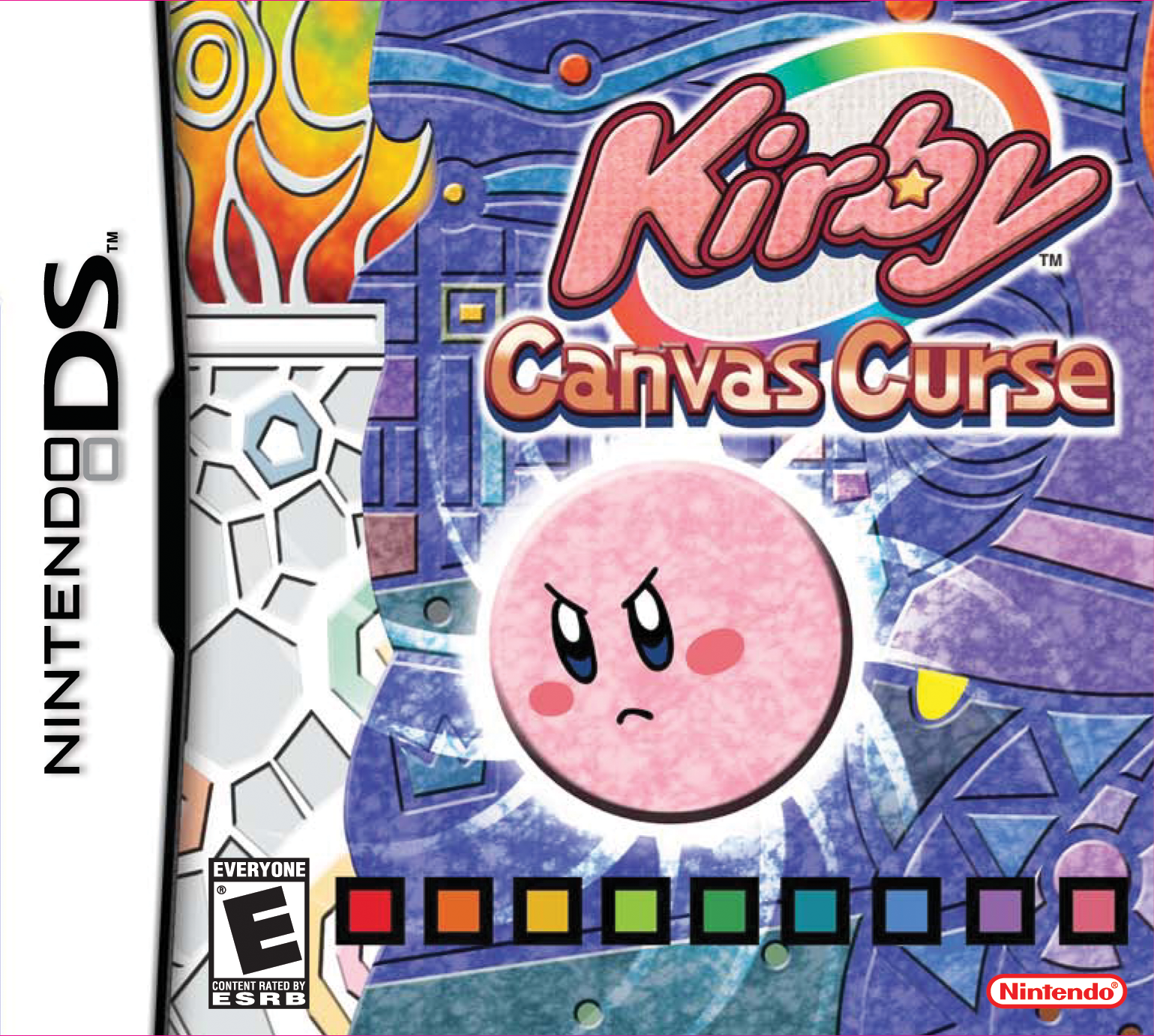
- Hardware identity: one of the clearest examples of a Wii U game built specifically around the GamePad.
- Art direction: the clay visual style remains one of the most distinctive looks in the entire Kirby series.
- Mechanical twist: drawing lines to guide Kirby feels fresh, even if it is less direct than traditional platforming.
- Historical niche: it works as both a spiritual successor to Canvas Curse and a snapshot of Nintendo’s touchscreen experimentation.
“More tactile toybox than classic platformer — and that is exactly the point.”
Rainbow Curse is not Kirby at his most traditional, but it is Kirby at his most unmistakably handcrafted.
The Clay-Crafted Kirby Detour
Kirby and the Rainbow Curse is one of the most specialized games in the series. Instead of directly running and jumping, the player takes the role of Elline and physically guides Kirby by drawing rainbow ropes on the Wii U GamePad. That single choice changes everything: pacing, challenge, rhythm, and even the emotional texture of the game. The result is more toybox puzzle-platformer than pure action platformer, but it is wrapped in such a rich clay aesthetic that it still feels memorable long after the hardware it was built for faded from the spotlight.
Game Data
| Title | Kirby and the Rainbow Curse |
| Release Year | 2015 |
| Developer | HAL Laboratory |
| Publisher | Nintendo |
| Platform | Wii U |
| Genre | Touch platformer / action-puzzle platformer |
| Players | 1–4 local players |
| Original Format | Wii U disc / digital release |
| Core Loop | Draw, guide, tap, protect, improvise |
Rainbow-rope drawing, stylus-guided movement, tap dashes, Star Dash bursts, treasure hunting, and special forms like Tank, Submarine, and Rocket Kirby.
When Claycia steals the color from Dream Land to build the worlds of Seventopia, Elline repaints Kirby and Waddle Dee and sends them on a rescue mission through a clay-made world.
The game’s promotional material is closely tied to real clay modeling, making its handmade visual identity feel unusually physical even outside the software itself.
Review / Why It Feels So Different
The most important thing to understand about Rainbow Curse is that it does not aim to feel like a traditional Kirby game. The player is not granted the immediate, direct comfort of moving Kirby with a stick or pad. Instead, the stylus becomes the primary language. You draw the world into existence beneath him. That makes the opening minutes feel curious and slightly alien, especially if you come in expecting a familiar platformer rhythm.
WHY THE CONTROLS DIVIDE PLAYERSThe line-drawing concept is smart, but it also creates a different kind of relationship to momentum and precision. In some moments, it feels brilliant: you sketch a curve, Kirby rolls perfectly across it, then you tap him forward into a clean burst of speed. In other moments, you can feel the distance between intention and execution more than in standard Kirby games. That tension is the source of both the game’s uniqueness and its limitations.
THE CLAY WORLD IS THE STAREven players who never fully fall in love with the control scheme often remember the visual design with real affection. Rainbow Curse looks like a toy shelf that came to life. Trees, enemies, hills, and even interface flourishes feel sculpted rather than merely rendered. It gives the game an unusually tactile personality, one that helps justify why Nintendo leaned so hard into stylus interaction in the first place.
TRANSFORMATIONS, CO-OP, AND VARIETYThe special transformations — especially Tank, Submarine, and Rocket Kirby — break up the formula well and keep the game from becoming one-note. Local co-op also adds a layer of chaos and generosity, with extra players controlling Waddle Dees while the GamePad player remains the central guide. It is not the most elegant multiplayer setup Nintendo has ever shipped, but it is memorable, and it fits the Wii U’s asymmetric spirit better than most games did.
FINAL VERDICTKirby and the Rainbow Curse is not a universal Kirby favorite, but it is one of the series’ most visually distinctive and mechanically committed side entries. It works best when treated as a deliberate experiment: a GamePad-first adventure with a handcrafted soul, strange pacing, and enough charm to justify the detour. As a pure platformer it can feel indirect, but as a piece of Wii U-era Nintendo design, it remains fascinating.
Why Historically Important
Kirby and the Rainbow Curse matters historically because it is one of the cleanest examples of Nintendo fully trusting the Wii U GamePad as the center of a game rather than an accessory. A lot of Wii U software used the second screen as a convenience layer. Rainbow Curse builds its whole identity around it. That makes it a valuable time capsule of what Nintendo thought touchscreen console design could be.
It also matters as the spiritual follow-up to Kirby: Canvas Curse. Instead of abandoning that unusual line-drawing idea, HAL Laboratory returned to it and pushed it into a much richer, more tactile presentation. The result feels like a bridge between handheld touchscreen design and living-room console spectacle — awkward in some places, but ambitious in exactly the way archival game libraries should preserve.
Finally, the clay presentation gives the game long-term significance beyond its hardware gimmick. Rainbow Curse is one of those games you can identify instantly from a single screenshot. That alone gives it staying power. Even when the control method divides opinion, the audiovisual identity keeps the game culturally legible.
Timeline / Key Milestones
Kirby: Canvas Curse establishes the line-drawing concept that Rainbow Curse later revisits as a spiritual successor.
Nintendo unveils Rainbow Curse as a stylus-led Wii U Kirby game with a clay-crafted presentation that immediately sets it apart.
The game releases as the Wii U’s sole Kirby title and becomes one of the console’s clearest GamePad-first exclusives.
Compatible Kirby, King Dedede, and Meta Knight amiibo add temporary power-ups and reinforce the game’s toy-like, collectible-friendly identity.
New Wii U eShop purchases close, shifting Rainbow Curse even more firmly into collector and preservation territory.
It survives as one of the most distinctive examples of late Nintendo touchscreen experimentation on a home console.
4NERDS Collector Marketplace
A curated access point for Kirby fans, Wii U collectors, touchscreen-design fans, and retro archive builders: original physical copies, current listings, related Kirby items, accessories, display pieces, and future handmade finds — clearly marked as partner links where applicable.
Shop Wii U physical copies
Browse current Kirby and the Rainbow Curse offers on eBay — useful for original Wii U discs, sealed copies, manual variants, regional releases, bundle listings, and collector-condition finds.
- Original Wii U disc copies
- Sealed, used, and regional listings
- Condition, seller, and price comparison
Paid partner link / Werbung — availability, seller terms, shipping, and pricing depend on eBay sellers.
Browse related Kirby finds
Explore Amazon for Kirby-related items, Wii U accessories, Nintendo collectibles, themed merchandise, display pieces, and broader Kirby archive extras.
- Kirby books, merch, and accessories
- Gift ideas and Nintendo-themed products
- Broader Kirby and Wii U-era browsing
Paid partner link / Werbung — as an Amazon Associate, 4NERDS Gaming may earn from qualifying purchases.
Curated Etsy picks coming soon
Planned for handmade Kirby-inspired clay-look art, retro prints, shelf decor, framed display pieces, and museum-style collectibles that match the 4NERDS archive aesthetic.
- Wall art and display-focused pieces
- Handmade and fan-crafted style items
- Added once the setup is ready
Etsy affiliate integration will be added after the tracking setup is approved and tested.