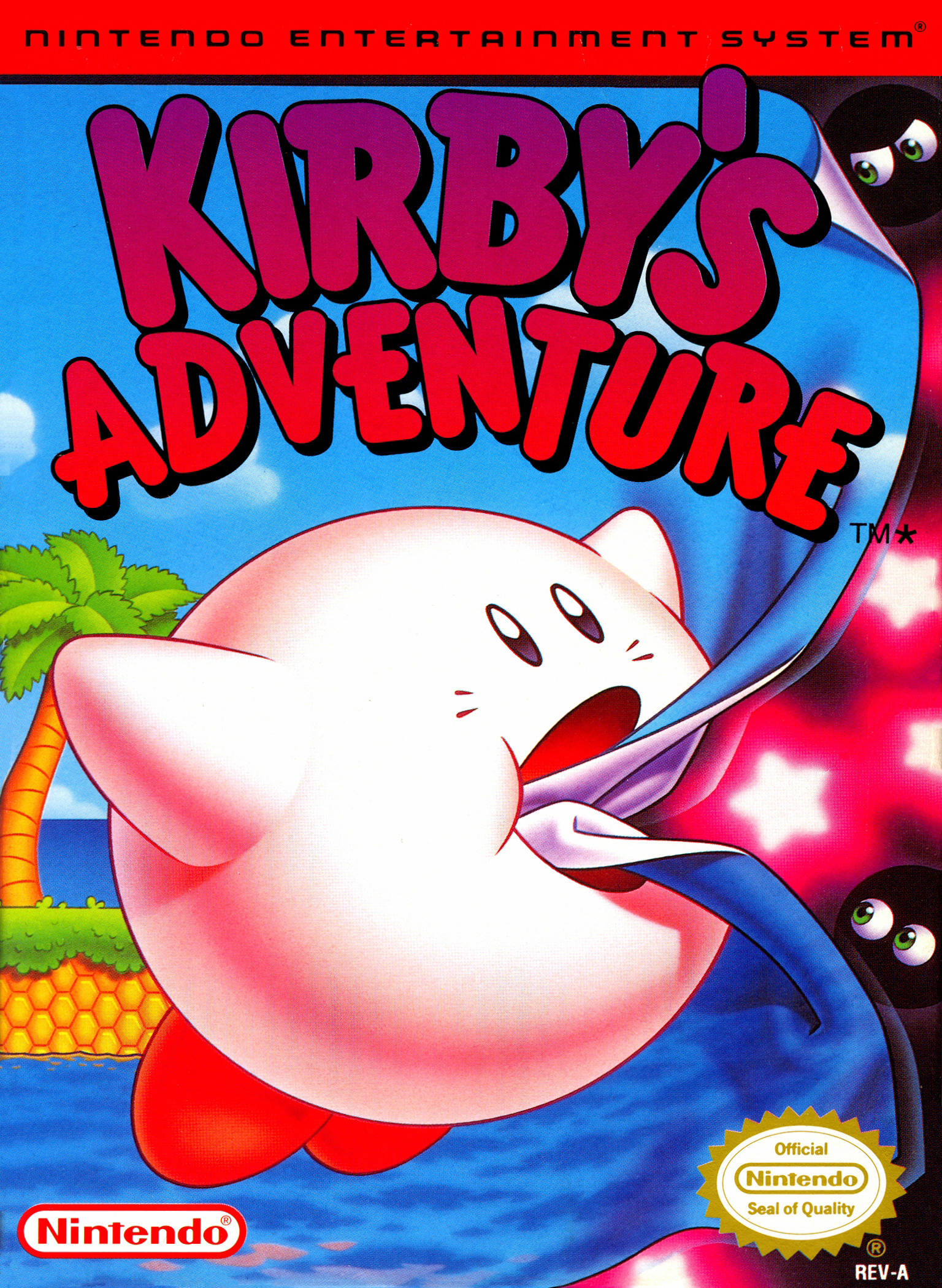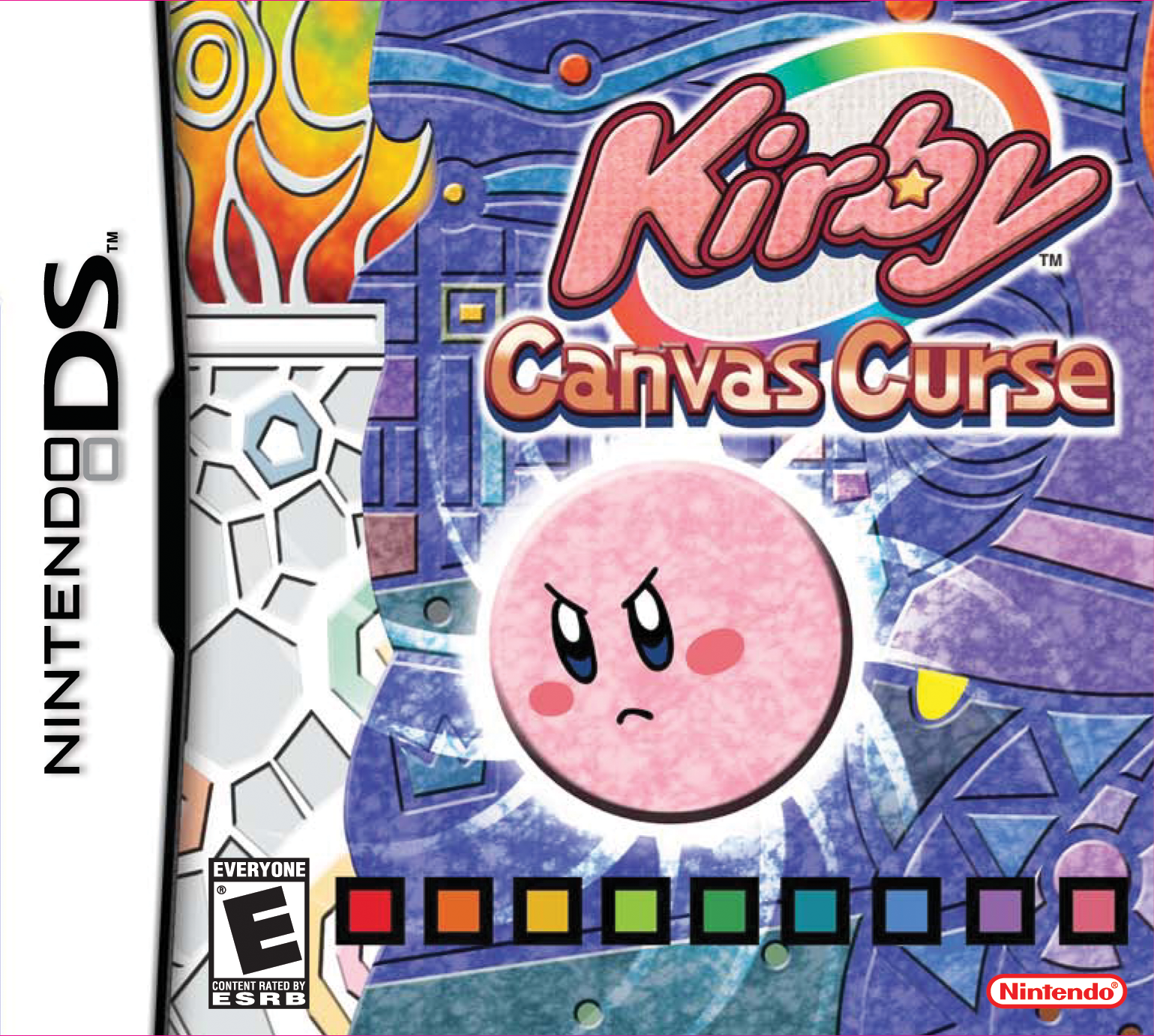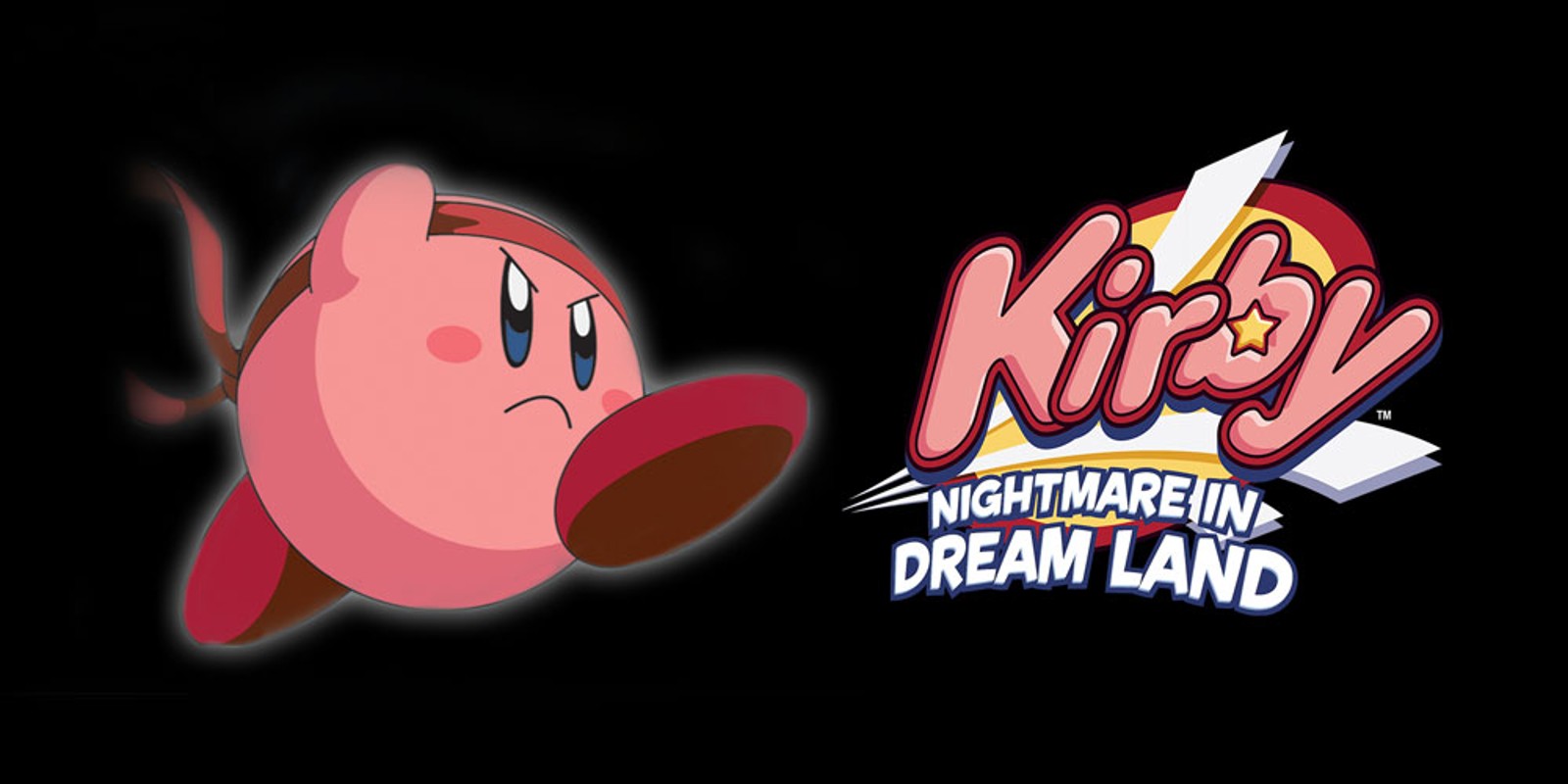
- Remake done right: it modernizes the NES classic without throwing away the stage flow that made the original important.
- Copy-ability comfort food: 24 abilities, easy readability, and generous movement make it instantly inviting.
- More than a port: new sub-games, extra challenges, and multiplayer support give it a distinct identity.
- GBA archive value: it is one of the strongest examples of how Nintendo refreshed 8-bit classics for handheld audiences.
“A classic Kirby skeleton, rebuilt in bright GBA color and motion.”
Less radical than a spin-off, less raw than the NES original — and therefore one of Kirby’s most approachable rewatches of himself.
The GBA Remake That Reframed a Kirby Foundation
Kirby: Nightmare in Dream Land is a fascinating midpoint in Kirby history. It is not the raw breakthrough of Kirby’s Adventure, and it is not yet the looser, more toybox-like energy of later handheld Kirby games. Instead, it is a carefully refreshed bridge: a Game Boy Advance remake that repackages one of the series’ formative adventures with brighter art, smoother presentation, expanded side content, and a more contemporary Kirby personality. The result is a game that feels both archival and welcoming.
Game Data
| Title | Kirby: Nightmare in Dream Land |
| Release Year | 2002 |
| Developer | HAL Laboratory |
| Publisher | Nintendo |
| Platform | Game Boy Advance |
| Genre | Action platformer |
| Players | 1 player main game / up to 4 in multiplayer features |
| Original Format | Game Boy Advance Game Pak |
| Core Loop | Inhale, copy, explore, unlock, defeat bosses |
24 copy abilities, stage-based world progression, hidden Big Switches, boss clears for Star Rod pieces, optional sub-games, and extra challenge modes.
Dream Land loses the power to dream after the Star Rod vanishes from the Fountain of Dreams. Kirby sets out to recover its scattered pieces, confront King Dedede, and uncover the darker threat behind the kingdom’s sleepless crisis.
It is a full Game Boy Advance remake of Kirby’s Adventure, not just a direct port — with overhauled visuals and sound, new sub-games, and expanded modes.
Review / Why It Still Feels So Good to Revisit
What strikes you first is how immediately playable it is. Kirby already had a natural pick-up-and-play quality on NES, but the GBA remake makes that friendliness even more obvious. Kirby’s movement is readable, hovering remains forgiving, and the copy abilities still do the heavy lifting of making experimentation feel joyful instead of demanding. Even when the stage design is inherited, the presentation reframes it as something lighter, cleaner, and easier to settle into.
THE REMAKE PHILOSOPHYNightmare in Dream Land is strongest when you view it not as a replacement for Kirby’s Adventure, but as a reinterpretation for a different audience. The original has a certain 8-bit sharpness and historical electricity. This remake instead emphasizes comfort. The art is more rounded, the character designs feel closer to anime-era Kirby, and the whole package reads more like a handheld Kirby game that happens to be built on classic bones. That shift is exactly why it works: it respects the source while changing the mood.
COPY ABILITIES, FLOW, AND HANDHELD RHYTHMThe 24 copy abilities remain the game’s central pleasure. They give each level a flexible toolkit and keep the old structure from ever feeling too rigid. Fire, Sword, Needle, Hammer, Crash, Wheel — the joy is not just in using them, but in deciding which one suits the next room best. Because Kirby is so forgiving to control, the game avoids the stiffness some early platformer remakes fall into. It feels relaxed without becoming empty.
WHY THE EXTRA CONTENT MATTERSThis is where the remake truly separates itself from being a mere visual refresh. The new sub-games are fun little identity markers. Extra Game and Meta Knightmare give returning players a reason to push beyond a casual clear. And the multiplayer support, even if less central than the solo campaign, reinforces the sense that Nintendo wanted this to be a fuller GBA product rather than a prestige museum piece.
FINAL VERDICTKirby: Nightmare in Dream Land is one of those remakes that quietly earns its place. It may not be the most radical Kirby, and it may not erase the importance of Kirby’s Adventure, but it does exactly what a strong handheld remake should do: preserve the structure, refresh the surface, add just enough extra value, and make an already sturdy design easier to love all over again.
Why Historically Important
Kirby: Nightmare in Dream Land matters historically because it shows how Nintendo and HAL approached remake culture in the Game Boy Advance era. Rather than merely shrinking an older console game down to a handheld screen, they rebuilt Kirby’s Adventure with a new visual language, refreshed audio, added side content, and multiplayer support. It is an example of a remake that is clearly designed for a new hardware moment, not just for archive preservation.
It is also important within Kirby history because Kirby’s Adventure is one of the series’ foundational works. That original game introduced major series grammar — copy abilities, stage-based worlds, Big Switches, secret content, and a larger-feeling Kirby adventure template. Nightmare in Dream Land republishes that grammar in a format that many later players first encountered, which means the remake itself became a gateway into core Kirby design.
Finally, the game has value as a snapshot of Kirby’s early-2000s identity. The art direction leans closer to the anime-era marketing look, the English logo redesign became influential, and the game helps explain how Kirby moved from classic Nintendo mascot to a more standardized franchise brand across regions and generations.
Timeline / Key Milestones
Kirby’s Adventure releases on NES and establishes many of the mechanics and structures that the remake will later preserve and refresh.
Kirby: Nightmare in Dream Land launches in Japan and North America, recasting the NES classic for the Game Boy Advance with new presentation and added modes.
Europe receives the game, completing the global rollout and helping make it one of the more visible Kirby entries of the early GBA period.
The game returns digitally on Wii U Virtual Console, though the original communication features are not fully preserved there.
New Wii U and 3DS eShop purchases end, pushing Nightmare in Dream Land back toward physical collection and legacy ownership rather than open digital access.
It remains one of the most useful Kirby comparisons for studying how Nintendo handled classic-remake design in the Game Boy Advance era.
4NERDS Collector Marketplace
A curated access point for Kirby fans, GBA collectors, handheld archive builders, and remake historians: current marketplace searches, retail options, shelf pieces, and future handmade display finds — clearly marked as partner links where applicable.
Shop Nightmare in Dream Land finds
Browse current Kirby: Nightmare in Dream Land offers on eBay — useful for original GBA cartridges, boxed copies, manuals, regional variants, and collector-grade listings.
- Loose carts, boxed copies, and complete sets
- North American, Japanese, and PAL variants
- Condition, seller, shipping, and price comparison
Paid partner link / Werbung — availability, seller terms, shipping, and pricing depend on eBay sellers.
Browse Kirby on Amazon
Explore Amazon for Kirby-related items, GBA accessories, display ideas, guide material, replacement cases, and broader Kirby collection additions.
- Kirby-related games and products
- GBA accessories, display extras, and storage ideas
- Convenient browsing for modern collectors
Paid partner link / Werbung — as an Amazon Associate, 4NERDS Gaming may earn from qualifying purchases.
Curated Etsy picks coming soon
Planned for handmade Kirby-inspired prints, GBA-era shelf decor, framed display pieces, museum-style art cards, and tasteful archive-room extras.
- Wall art and display-focused pieces
- Handmade and fan-crafted style items
- Added once the setup is ready
Etsy affiliate integration will be added after the tracking setup is approved and tested.