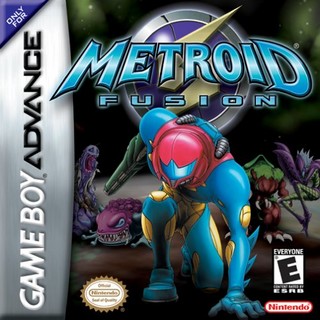
- Combat energy: when it works, Other M feels fast, stylish, and mechanically distinct inside the series.
- Cinematic ambition: it tries to turn Metroid into a more authored, story-heavy experience.
- Identity clash: the linear structure and Samus characterization divide fans sharply.
- Historical weight: it remains one of Nintendo’s clearest examples of a bold reinvention that split its audience.
“A fascinating misfire, a brave experiment, and never a boring one.”
Not a forgotten classic, but far too strange and ambitious to dismiss as simple failure.
Metroid Turned Inside Out
Metroid: Other M is one of those rare games whose design, reputation, and narrative are inseparable. You cannot really discuss it as a neutral action title because it arrived carrying the weight of Samus, Super Metroid, Fusion, and years of player expectation. What makes it compelling is that it genuinely tries something different: a more overtly emotional Samus, a more direct story, faster melee-heavy combat, and a hybrid camera system that bounces between cinematic third-person action and first-person inspection.
Game Data
| Title | Metroid: Other M |
| Release Year | 2010 |
| Developer | Project M (Nintendo SPD, Team Ninja, D-Rockets) |
| Publisher | Nintendo |
| Platform | Wii |
| Genre | Action-adventure |
| Players | 1 player |
| Original Format | Wii optical disc |
| Core Loop | Fight, investigate, authorize, advance |
Third-person action, first-person search sequences, dodge-counter combat, cinematic boss encounters, linear progression, and system unlocks tied to Adam’s authorization.
Set between Super Metroid and Metroid Fusion, Samus answers a distress call on the Bottle Ship and reunites with Adam Malkovich while uncovering a secret Federation bioweapon disaster.
The Wii Remote is held sideways for most of the game, then pointed at the screen to snap into first-person perspective for missiles, scanning, and environmental investigation.
Review / Bold, Frustrating, Memorable
The immediate surprise of Other M is how physical it feels. Samus moves with speed and force. Encounters are not about slow attrition so much as flow: evade, strike, reposition, punish. The game wants to feel stylish and immediate, and for long stretches it succeeds. Team Ninja’s influence is visible not because Other M becomes Ninja Gaiden in disguise, but because the action has a sharper edge than most Metroid games ever attempt.
WHERE IT REALLY WORKSAt its best, Other M is a compelling hybrid. The side-on exploration has real pace, the boss fights often look spectacular, and the way Samus snaps between mobility, precision, and special attacks gives the combat a satisfying rhythm. There is also something admirable about how hard the game commits to being different. It does not timidly remix Super Metroid. It tries to give Samus a more cinematic language and a more overtly human framework.
WHERE IT BREAKSThe same commitment is also where the game fractures. The story is not merely more present; it is more controlling. The game spends a great deal of energy telling you who Samus is, often in ways many players found smaller, more submissive, or less convincing than the version they had built across earlier games. The authorization system can also feel awkward, because instead of discovering gear naturally, Samus is often waiting for permission. That decision is conceptually neat, but mechanically strange.
LINEARITY, SEARCH SEQUENCES, AND BOTTLE SHIP DESIGNOther M is much more directed than the most beloved Metroid entries. The Bottle Ship has atmosphere and visual variety, but it rarely offers the layered, player-led sense of unraveling that defines the strongest games in the series. Some first-person search moments are especially contentious because they replace exploration with small “find the trigger” bottlenecks. These sequences interrupt momentum and highlight the game’s tendency to confuse dramatic control with player satisfaction.
FINAL VERDICTMetroid: Other M is not a disaster, and it is not a hidden masterpiece. It is a serious, unusual attempt to redefine Samus and the emotional language of Metroid, wrapped inside a mechanically energetic action game. That attempt produces some exhilarating scenes, some genuinely interesting ideas, and some of the most argued-over choices in Nintendo’s history. Few franchise entries reveal their ambitions and their weaknesses this clearly.
Why Historically Important
Metroid: Other M matters because it is one of Nintendo’s most visible attempts to drag a traditionally atmospheric, player-driven series into a more cinematic, character-led form. It is not historically important because everyone loved it; it is important because it revealed just how much of Metroid’s identity depends on ambiguity, solitude, and a very specific idea of Samus.
It is also a notable mechanical experiment. The blend of third-person action with first-person pointing, the sideways Wii Remote control scheme, and the faster, more athletic combat all show Nintendo and Team Ninja trying to build a new language for the series on home hardware. Some of those ideas worked better than others, but the effort was genuine rather than cosmetic.
Perhaps most importantly, Other M became a long-term reference point in fan conversations about characterization. It stands as a reminder that lore, tone, and player perception are not decorative extras in a legacy series. They are part of the play experience itself. Other M is a cautionary tale, but also a revealing one.
Timeline / Key Milestones
Super Metroid establishes the emotional event that Other M builds around: the death of the baby Metroid and Samus’s lingering response to it.
Nintendo unveils Other M as a major new Wii project, surprising players with a Team Ninja collaboration and a more cinematic approach to Samus.
The game launches worldwide on Wii and immediately sparks debate over its story, characterization, controls, and structural departure from earlier Metroid favorites.
Other M becomes a recurring flashpoint in series discourse, often cited whenever players discuss Samus’s portrayal, linearity, and the risks of over-explaining Metroid.
The game is still divisive, but also increasingly studied as a bold, imperfect experiment rather than merely a franchise embarrassment.
4NERDS Collector Marketplace
A curated access point for players, collectors, and Metroid fans: original Wii copies, boxed editions, Prime-era context pieces, books, accessories, display items, and future handmade collector picks — clearly marked as partner links where applicable.
Shop original Wii copies
Browse current Metroid: Other M offers on eBay — useful for boxed Wii copies, loose discs, manuals, regional variants, sealed editions, and broader Metroid collector listings.
- Original Wii physical copies
- Boxed versions, manuals and seller variety
- Condition and price comparison
Paid partner link / Werbung — availability and pricing depend on eBay sellers.
Browse Other M finds
Explore Amazon for Metroid: Other M, Wii accessories, Metroid collectibles, display products, Samus-related items, and broader Nintendo archive extras.
- Wii game and accessory browsing
- Metroid books, guides and display items
- Broader Samus-themed collector extras
Paid partner link / Werbung — as an Amazon Associate, 4NERDS Gaming may earn from qualifying purchases.
Curated Etsy picks coming soon
Planned for handmade sci-fi retro art, Samus display pieces, Wii-era shelf objects, Bottle Ship-inspired prints, and museum-style collectibles that match the 4NERDS archive aesthetic.
- Wall art and display-focused pieces
- Handmade and fan-crafted style items
- Added once the setup is ready
Etsy affiliate integration will be added after the tracking setup is approved and tested.
Transparency note: 4NERDS Gaming does not sell these items directly. External shops, prices, stock, shipping terms, and seller conditions may change at any time. eBay and Amazon links in this section are sponsored / paid partner links. Etsy is currently shown as an upcoming integration and does not link out yet.