- Rocket-pack identity: the charge-and-launch movement system gives the game its own unmistakable rhythm.
- Set-piece density: platforming, boss fights, shooter detours, and spectacle never sit still for long.
- 16-bit craftsmanship: animation, music, and pacing feel unmistakably premium even among Genesis heavyweights.
- Cult-classic status: it remains one of Konami’s strongest non-Castlevania, non-Contra action games of the era.
“Rocket Knight Adventures feels like pure 16-bit velocity.”
Cute on the surface, but built with real action-game muscle underneath.
Konami’s Mascot Platformer With Real Bite
Rocket Knight Adventures is memorable because it never feels like a generic mascot game wearing a different face. Sparkster is cute, yes, but the structure is closer to a Konami action production than to a soft, toy-like platformer. The rocket boost changes how you read space, how you attack, and how you survive. That single mechanic gives the whole game a sense of momentum, danger, and invention that still feels fresh.
Game Data
| Title | Rocket Knight Adventures |
| Release Year | 1993 |
| Developer | Konami |
| Publisher | Konami |
| Platform | Sega Genesis / Mega Drive |
| Genre | Platformer / scrolling shooter hybrid |
| Players | 1 player |
| Original Format | Cartridge |
| Main Hero | Sparkster |
| Core Loop | Slash, charge, rocket-launch, survive set pieces, defeat bosses, master stage flow |
Eight-direction rocket boosts, sword combat, rebound movement, linear stages, boss-heavy pacing, and occasional side-scrolling shooter sections.
Sparkster, a noble Rocket Knight of Zephyrus, fights back against the pig-led Devotindos Empire and protects the kingdom from a larger mechanical catastrophe.
The rocket attack is the game’s signature mechanic — half movement tool, half weapon, and the main reason the platforming feels unlike its 16-bit peers.
Review / Why It Still Feels So Alive
The first thing that stands out is not Sparkster’s charm, but his movement. The charge-up rocket boost changes the relationship between player and stage immediately. You do not simply walk and jump through Rocket Knight Adventures — you line up launches, ricochet through space, attack on diagonals, and think in short explosive bursts. That single difference gives the whole game a more kinetic personality.
THE ROCKET SYSTEMPlenty of platformers add a gimmick. Rocket Knight Adventures builds an identity around one. The rocket pack is traversal, offense, escape tool, and rhythm engine all at once. Good players do not merely survive with it; they start to think with it. That is why the game still feels modern. Its best idea is not decorative — it defines the way everything else works.
SET-PIECE RHYTHMAnother reason the game holds up so well is variety. Konami refuses to let the player settle into repetition for long. Standard stages bend into vehicle-style movement, boss arenas become miniature spectacles, and shooter-like segments arrive at just the right time to expand the game without breaking it. It has the confidence to stay compact while still feeling lavish.
KONAMI ACTION DNAUnder the cartoon surface, Rocket Knight Adventures has real action-game severity. Enemies hit hard enough to matter, bosses ask for pattern reading, and the game expects you to become more deliberate as it goes. That is why it feels different from lighter mascot platformers of the same era: it has a little Contra discipline in its bones.
FINAL VERDICTRocket Knight Adventures deserves its cult-classic reputation. It is stylish, mechanically confident, and unusually memorable for a one-off mascot debut. More importantly, it still plays with freshness. Sparkster is not just another animal hero from the early 90s — he stars in one of the era’s smartest action platformers.
Why Historically Important
Rocket Knight Adventures matters because it shows how crowded early-90s mascot gaming really was — and how difficult it was to stand out. Mario had polish, Sonic had speed, and countless imitators chased surface-level attitude. Konami’s answer was not to copy either formula directly. Instead, it built a game around a distinct movement concept and backed it with serious action-game craftsmanship.
It also matters as a marker of Konami’s range in the 16-bit period. The company is often remembered first for Castlevania, Contra, Gradius, and TMNT, but Rocket Knight Adventures proves how strong Konami could be at character-led platform design too. Sparkster even briefly had the feel of a potential mascot line, which says a lot about how confidently the game landed.
Today, the game remains important because it is one of the best examples of a “cult classic” that earns the label honestly. It is not remembered only because it was obscure. It is remembered because its mechanics, pacing, and personality are still easy to admire the moment you play it.
Timeline / Key Milestones
Rocket Knight Adventures releases on Sega Genesis / Mega Drive and immediately stands out as a premium action-platformer with a unique movement hook.
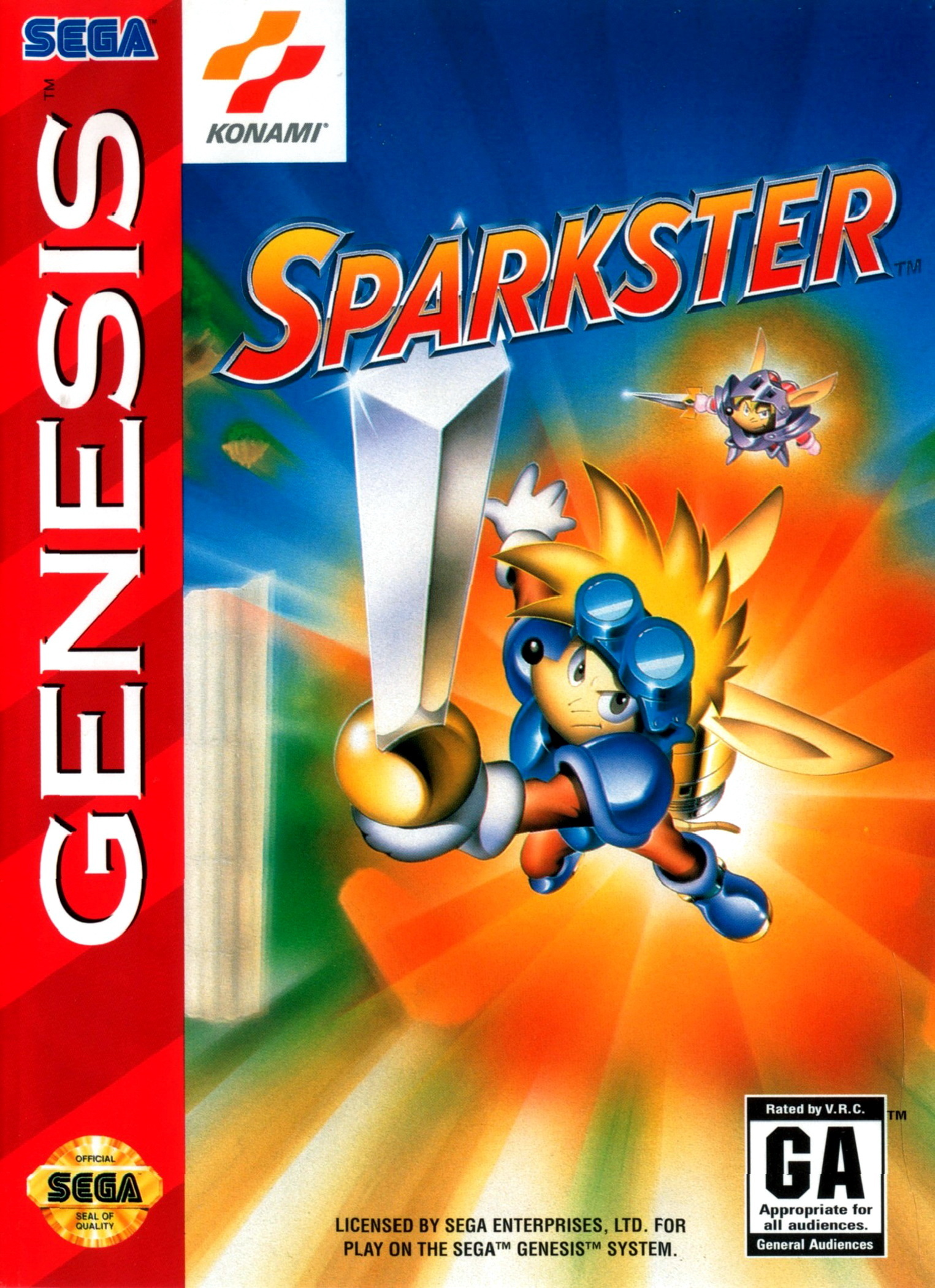
Sparkster: Rocket Knight Adventures 2 continues the Genesis line and expands Sparkster into a small but real series.
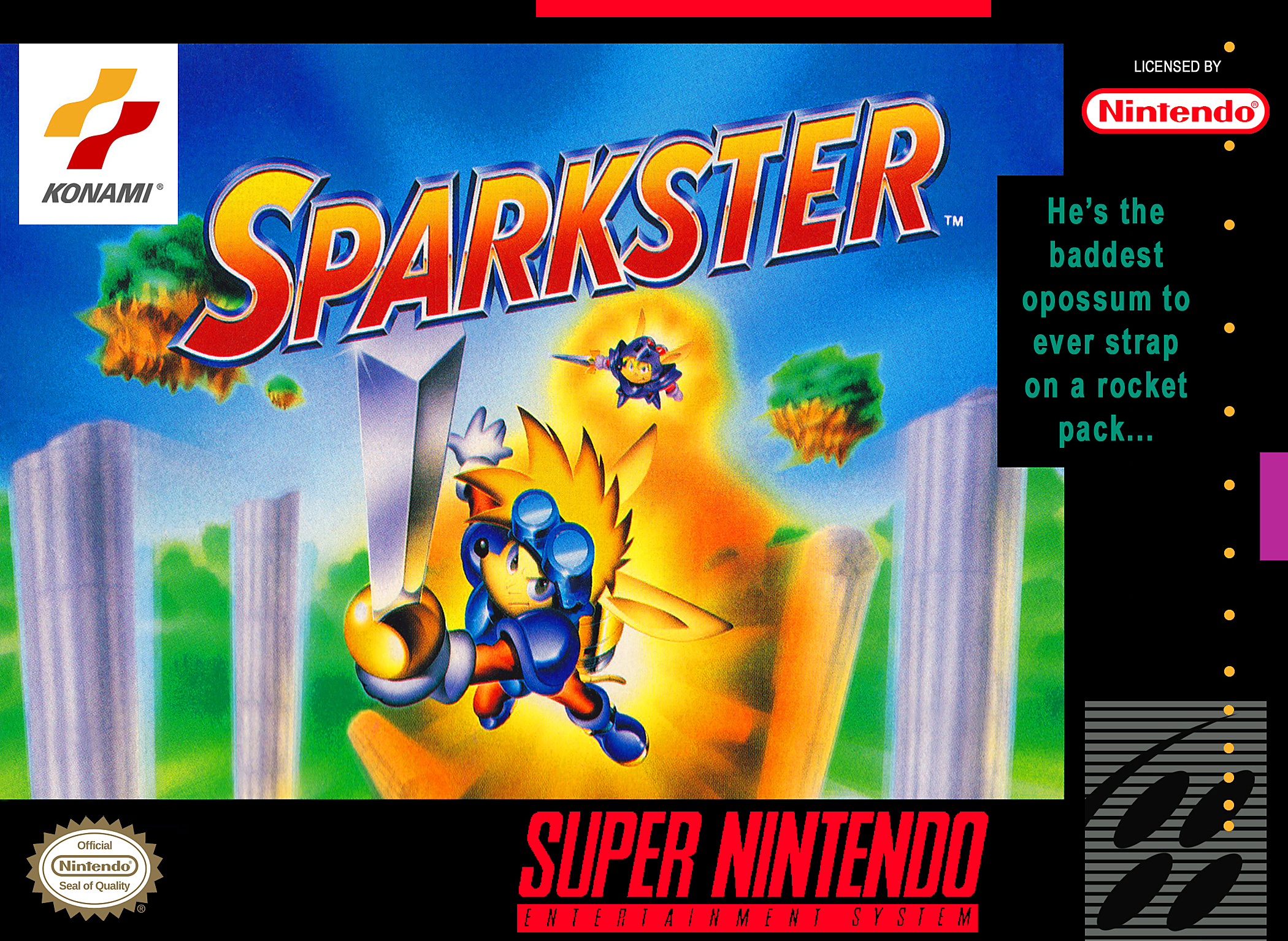
Sparkster arrives on Super Nintendo as a different follow-up, making the franchise briefly a cross-platform 16-bit property.
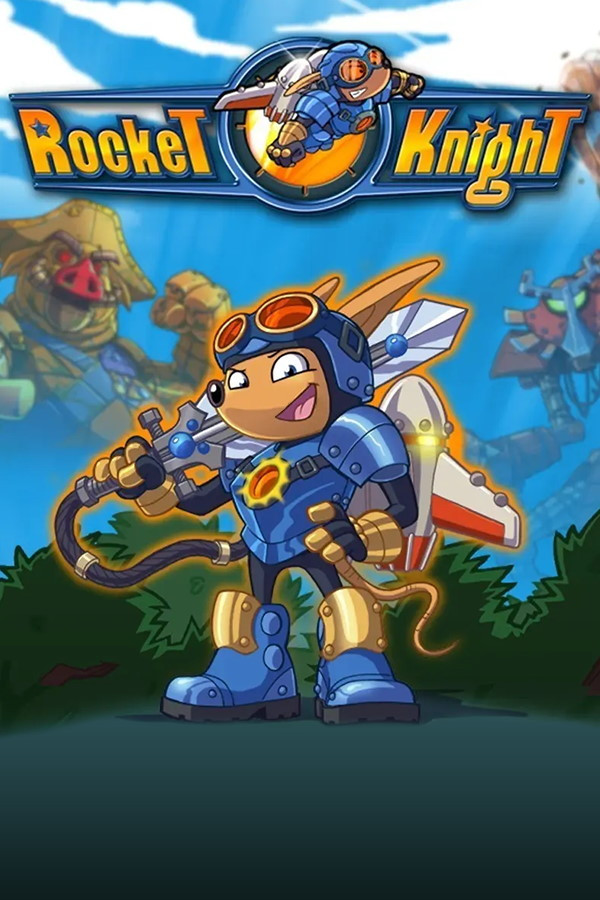
Rocket Knight returns in a modernized revival, confirming that Sparkster’s 1993 debut had never been fully forgotten.
A new collection helps preserve the original trilogy and reintroduces Sparkster to players who missed the 16-bit era.
Where to Play / Collect Today
Original Genesis / Mega Drive hardware
The cleanest period-authentic experience is still original Sega hardware, where Sparkster’s movement and the game’s visual timing feel exactly right.
ORIGINAL ROUTEModern collection route
Modern re-releases and retro compilations are the easiest legitimate path for newer players who want the original game without chasing old cartridges first.
MODERN OPTIONBoxed copy + manual art
This is also a strong collector piece thanks to its gorgeous cover art, rich manual-era presentation, and its status as a beloved Konami Genesis title.
COLLECTOR ROUTE