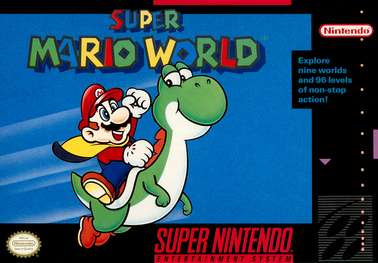
- Wild identity shift: this is the Mario sequel that trades stomping purity for dream logic, verticality, and improvisation.
- Character choice matters: Mario, Luigi, Peach, and Toad genuinely play differently, which gives the adventure real personality.
- Mechanical originality: plucking, carrying, throwing, climbing, potion doors, and subspace make it unlike any other NES Mario.
- Historical weight: it introduced playable Peach and Toad, helped establish Luigi’s higher-jump identity, and debuted icons like Birdo and Shy Guy.
“The strangest Mario sequel is also one of the most important.”
Super Mario Bros. 2 feels less like a direct continuation and more like Nintendo discovering how elastic Mario could become.
Mario’s Most Dreamlike 8-Bit Detour
Super Mario Bros. 2 is one of the great productive accidents in game history. It does not feel like the original Super Mario Bros. with a few upgrades. It feels like someone opened a side door in the series and discovered a hidden parallel path: stranger enemies, weirder spaces, different movement priorities, and a softer dream logic that makes the whole adventure feel slightly unreal. That is exactly why it remains so memorable. It is not the cleanest 8-bit Mario. It is the boldest branch.
Game Data
| Title | Super Mario Bros. 2 |
| Release Year | 1988 (North America) |
| Developer | Nintendo R&D4 |
| Publisher | Nintendo |
| Platform | Nintendo Entertainment System |
| Genre | Platformer |
| Players | 1 player |
| Original Format | Cartridge |
| Core Loop | Lift, throw, climb, improvise, adapt |
Vertical exploration, object-plucking, item-throwing combat, potion doors into subspace, character-specific abilities, and boss encounters built around interaction instead of simple stomping.
Mario dreams of a staircase to another world and is drawn into Subcon, where Wart has seized control. Mario, Luigi, Princess Toadstool, and Toad set out to free the dream world and defeat the frog tyrant.
This was the first Mario title to let players choose between multiple heroes — and Peach and Toad became playable for the first time.
Review / Why This Strange Branch Still Works
The first surprise in Super Mario Bros. 2 is that it does not want you to think about Mario the same way anymore. You are not mainly flattening enemies and bouncing through tidy obstacle grammar. You are picking things up, throwing them, climbing, digging, opening strange doors, and reading the environment with a slightly different mindset. That shift is initially disorienting if your brain expects Super Mario Bros. 1. Then, slowly, it becomes the game’s greatest strength.
CHARACTERS AS DESIGN TOOLSOne of the game’s most lasting ideas is that character choice is not cosmetic. Mario feels balanced. Luigi feels floaty and rangy. Peach feels safe and elegant because of her hover. Toad feels powerful and fast in the hands of a confident player. That variety is a huge deal, especially for an NES platformer. It gives the same stage different emotional textures, which means the game feels broader than its cartridge boundaries suggest.
DREAM LOGIC, NOT PURE MARIO LOGICThe dream-world tone is a big part of why the game lingers in memory. Subspace doors, masked openings, plucked vegetables, odd enemies, and slightly theatrical boss encounters all make the game feel like a parallel Mario universe. It is not as elegantly foundational as the first Super Mario Bros. and not as sweepingly complete as Super Mario Bros. 3, but it is often more surprising minute to minute. Its imagination is less orderly, and that disorder is part of the charm.
WHAT STILL FEELS GOODWhat still plays well today is the sense of interaction. Grabbing an item, hauling a key while fleeing a mask, using a potion to reveal secrets, or picking a hero that better suits a specific level all give the game a tactile personality. It is an action-platformer, but it often feels like a puzzle toy box too. That blend gives it a different rhythm from most classic Mario entries and keeps it from feeling redundant beside its siblings.
FINAL VERDICTSuper Mario Bros. 2 remains one of Nintendo’s most fascinating sequels because it proves that a series can grow through disruption. It is not the “definitive” 8-bit Mario in the same way the original and Mario 3 are often treated. But it may be the most revealing, because it shows just how flexible the Mario identity already was. Strange sequel or not, it absolutely earned its place.
Why Historically Important
Super Mario Bros. 2 matters because it proved the Mario series was not trapped inside a single design vocabulary. The first game established one of the great platforming blueprints. This sequel showed that Mario could survive radical reinterpretation and still remain compelling. That flexibility would become one of the franchise’s greatest long-term strengths.
It also introduced or solidified several ideas that became central to Mario history: Peach and Toad as playable characters, Luigi’s more distinctive physical identity, the debut of enemies like Shy Guy and Birdo, and a more expressive sense that character abilities could meaningfully reshape how levels are approached. Even when later Mario games moved away from this exact structure, they inherited its willingness to experiment.
The game’s backstory matters too. In the West, it became the official sequel while the original Japanese Super Mario Bros. 2 later arrived as The Lost Levels. That split made Super Mario Bros. 2 one of the strangest “canon” cases in Nintendo history. But instead of weakening the game, that oddness strengthened its legend. It became the productive anomaly that expanded what a Mario game could be.
Timeline / Key Milestones
Nintendo releases a harder Japanese Super Mario Bros. 2, the game the West would later know as The Lost Levels.
Yume Kōjō: Doki Doki Panic establishes the structure and mechanics that would be adapted into the western Super Mario Bros. 2.
Super Mario Bros. 2 arrives on NES in North America and becomes the region’s official Mario sequel.
Europe and other PAL territories receive the game, extending the weird branch of Mario history to a wider audience.
The western version is later released in Japan under the name Super Mario USA, confirming its lasting importance.
Super Mario All-Stars helps players better understand the strange sequel split by bringing The Lost Levels west on SNES.
Nintendo’s modern classic-game services keep Super Mario Bros. 2 available, preserving one of the series’ oddest and most influential branches.
Where to Play / Collect Today
Nintendo Switch Online (NES)
The easiest modern route is Nintendo’s NES classics library, where Super Mario Bros. 2 sits alongside the other foundational Mario titles.
MODERN OPTIONOriginal NES cartridge
On original hardware, the game’s peculiar pacing and bright dream-world aesthetics feel especially authentic — ideal for collectors and CRT purists.
COLLECTOR ROUTESuper Mario Advance
The Game Boy Advance remake is a great comparison point if you want a slightly modernized take on the same strange adventure.
SEE VERSION