- Atmosphere first: few games communicate dread, isolation, and place as powerfully as Zebes.
- Elegant exploration: every ability meaningfully recontextualizes the map and deepens the world.
- Design legacy: it helped define the modern exploration-action template later called “Metroidvania.”
- Replay magnetism: secrets, sequence breaks, route mastery, and speedrunning keep it alive far beyond a first clear.
“An alien world, a lonely map, and almost perfect exploration design.”
Not just a classic of the SNES era — a permanent reference point for game structure and atmosphere.
The Atmospheric Blueprint of Exploration Design
Super Metroid is one of the rare games that feels monumental without needing to be loud. It teaches through space, memory, unease, and curiosity. The planet itself becomes the text. Locked passages suggest future power, subtle environmental changes signal progress, and backtracking never feels like repetition because the world is constantly being re-read through newly earned movement and weapon systems. It is not merely a game about going forward — it is a game about learning how to see.
Game Data
| Title | Super Metroid |
| Release Year | 1994 |
| Developer | Nintendo R&D1 / Intelligent Systems |
| Publisher | Nintendo |
| Platform | Super Nintendo Entertainment System |
| Genre | Action-adventure / exploration platformer |
| Players | Single-player |
| Original Format | 24-megabit cartridge |
| Core Loop | Explore, upgrade, remember, return, survive |
Freeform exploration, map-based progression, movement upgrades, hidden routes, environmental clue reading, boss gating, and high-reward sequence mastery.
After the infant Metroid is stolen by Ridley, Samus Aran returns to Planet Zebes to stop the Space Pirates and prevent the creature from being weaponized.
Super Metroid is one of the foundational games behind the structure later widely described as “Metroidvania”: open exploration shaped by ability-based progression.
Review / Why It Still Feels So Powerful
Super Metroid opens with an unusual kind of confidence. It does not immediately flood the player with noise or instruction. Instead, it builds mood. The isolated opening, the sense of aftermath, and the quiet return to Zebes create tension before the game fully unfolds. That restraint is part of its magic. You are not simply being dropped into a stage set — you are entering a place that feels like it already existed before you arrived.
WHY ZEBES STILL WORKSZebes is designed less like a series of discrete levels and more like a living problem you gradually learn to solve. Doors, shafts, acid, heat, sand, hidden passages, and unreachable ledges all become part of a giant mental map. The more abilities you collect, the more the world changes in your mind. That is why backtracking here feels different from ordinary repetition. You are not retracing identical steps; you are reinterpreting old spaces with new power.
MOVEMENT AS EXPRESSIONSamus’ movement has weight, but it also has elasticity. The Morph Ball, wall jump, Speed Booster, Space Jump, Grapple Beam, and late-game mobility tools turn traversal into a kind of language. Super Metroid understands that movement upgrades are not just rewards — they are new verbs, and new verbs create new ways of thinking. This is one of the core reasons the game remains such a fertile ground for sequence breaking and speedrunning decades later.
ENVIRONMENTAL STORYTELLINGAnother reason the game has lasted is that it tells so much without overexplaining. Rooms imply history. Music and silence imply danger. Boss spaces imply ritual, decay, or horror. The famous final sequence lands because the game has spent hours teaching you to read tone through atmosphere rather than explicit narration. It is one of the strongest examples of storytelling through play and environment in the 16-bit era.
FINAL VERDICTSuper Metroid is not merely one of the best games on the SNES. It remains one of the clearest examples of how to build an exploration-driven world that feels coherent, mysterious, and mechanically rewarding at the same time. The controls, the map, the pacing of discovery, and the emotional weight of Zebes still support each other with rare elegance. It is foundational, but it is also immediately playable — and that combination is why it continues to matter.
Why Historically Important
Super Metroid is historically important because it crystallized a form of game design that would influence decades of action and exploration titles. It refined the original Metroid formula into something far more legible and compelling: a world that is open enough to feel mysterious, but structured enough that each new ability meaningfully reorders the player’s understanding of the map.
It also helped establish the value of environmental storytelling in console action games. The planet Zebes does not rely on constant exposition to feel alive. Instead, the game uses layout, sound, pacing, and visual shifts to create a sense of dread and continuity. That approach would become enormously influential for later games interested in mood, solitude, and indirect narrative design.
Finally, its legacy survives in two communities at once: design culture and player culture. Designers still study its pacing, gating, and world logic. Players still revisit it for mastery, routing, secrets, and speed. That dual life is a sign of a truly historic work. Super Metroid is not only admired — it is still actively used as a standard.
Timeline / Key Milestones
Metroid II: Return of Samus establishes the infant Metroid storyline that leads directly into Super Metroid.
Super Metroid releases on Super Nintendo and becomes the third core entry in the Metroid series.
Its structure, atmosphere, and progression loop become a long-term reference point for exploratory action games.
Virtual Console and later Nintendo systems reintroduce Super Metroid to new players across multiple hardware generations.
Nintendo includes Super Metroid in the SNES Classic lineup, further cementing its place among the platform’s defining titles.
It remains both a major speedrunning game and one of the most frequently cited examples of masterful exploration design.
Where to Play / Collect Today
Nintendo Classics / NSO route
The easiest modern route is through Nintendo’s classic-library ecosystem, where Super Metroid remains positioned as a core SNES essential.
MODERN OPTIONOriginal SNES + CRT
For the most authentic presentation, original hardware on a CRT still delivers the right contrast, scanlines, latency, and tactile feel.
COLLECTOR ROUTEPair it with Dread or Fusion
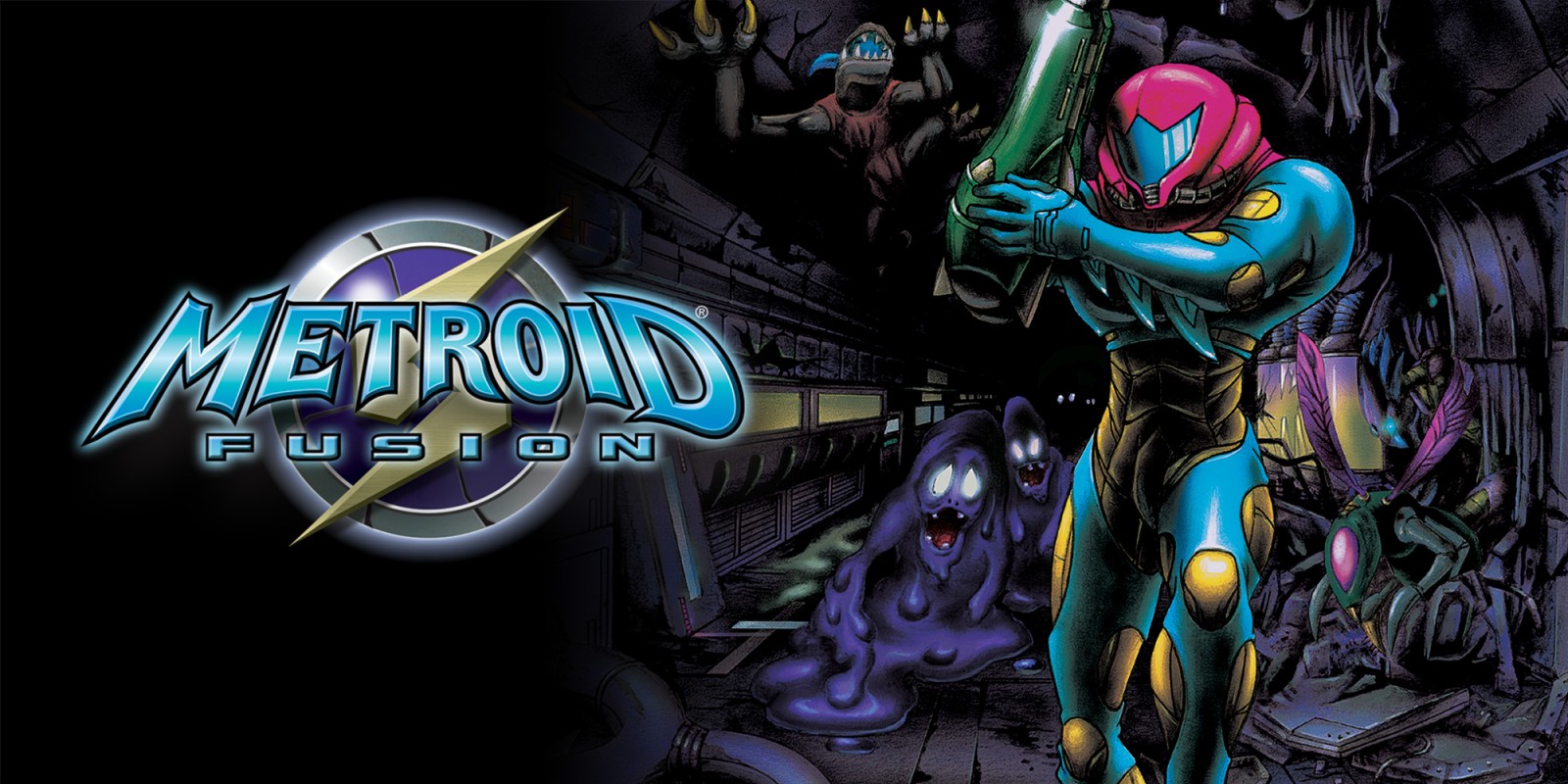
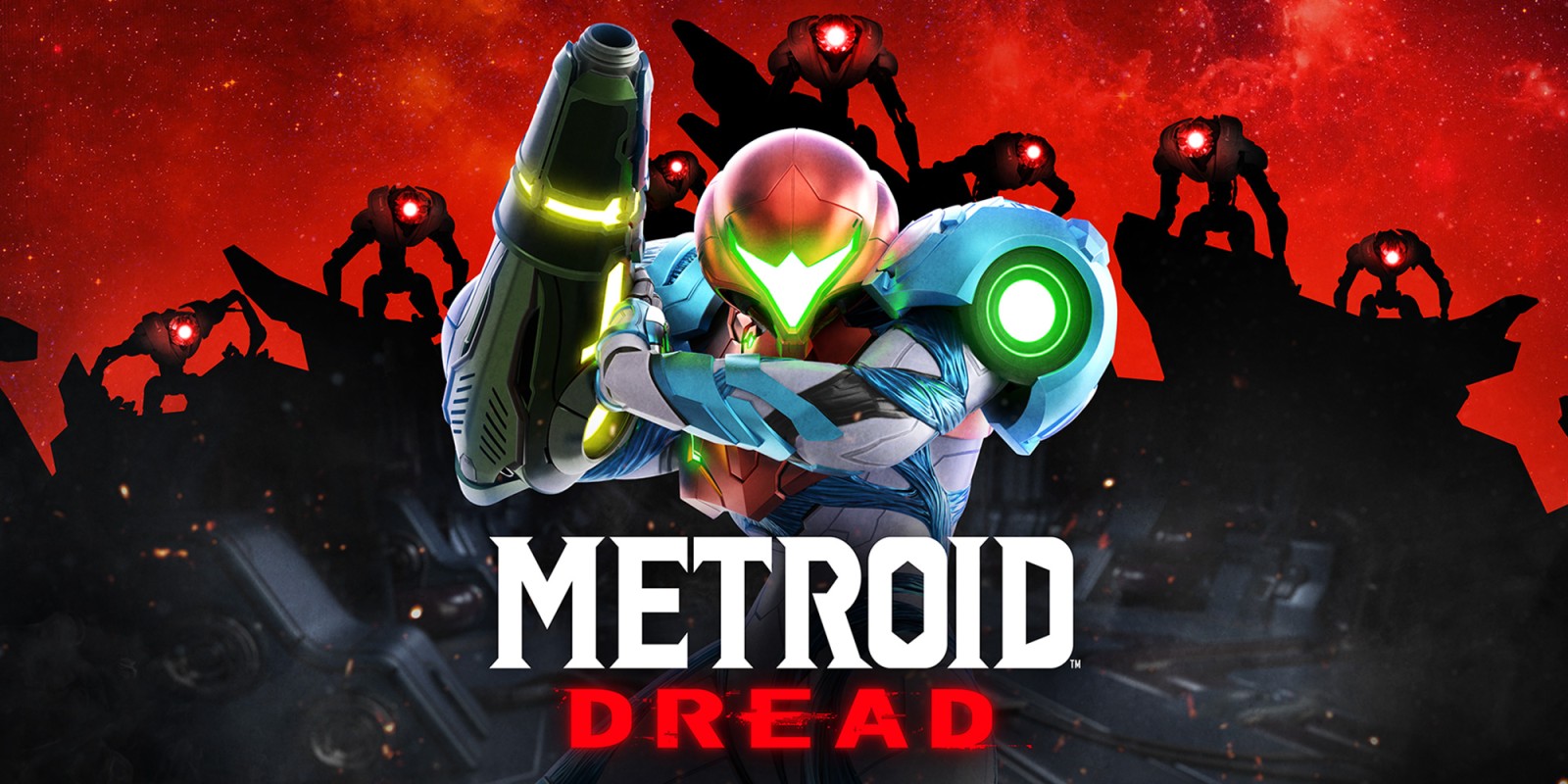
One of the best ways to appreciate Super Metroid is to play it against later 2D entries and see just how much of the series was already fully formed here.
SEE EVOLUTION