The Legend of Zelda:Four Swords
The first real multiplayer Zelda: short linked dungeons, shared puzzles, rupee rivalry, and four versions of Link chasing Vaati across a Game Boy Advance experiment that still feels bold, playful, and historically important.
Why it still matters
- Series first: the original multiplayer Zelda adventure and the root of the Four Sword branch.
- Social design: teamwork and mild betrayal make it feel delightfully un-Zelda and unmistakably Nintendo.
- Historic oddity: linked GBA co-op turned it into one of the most specialized handheld experiments of its era.
- Best with friends: the game is good in concept, but great once real people start fighting over rupees.
“A compact Zelda built from cooperation, competition, and handheld chaos.”
Less sweeping than a classic solo epic — but stranger, riskier, and more distinctive because of it.
A Zelda Game Built for Shared Trouble
Four Swords is fascinating because it refuses to behave like the grand solitary Zelda people usually imagine. It is smaller, faster, more structured, and much more social. Instead of wandering a vast world alone, players move through compact stages and dungeons where progress depends on coordination, timing, and occasionally forgiving the friend who just stole the last valuable rupee.
It feels like Nintendo testing what Zelda can become when the hero is multiplied and the adventure turns into a shared event. In that sense, Four Swords is less a side mode and more a design lab: top-down Zelda logic reinterpreted through local multiplayer friction.
At a glanceBest experienced as the origin point of multiplayer Zelda and as a brilliant handheld experiment whose personality only really blooms in company.
Game Data
| Title | The Legend of Zelda: Four Swords |
| Original Package | The Legend of Zelda: A Link to the Past & Four Swords |
| Release Window | 2002 North America / 2003 Japan & Europe |
| Developer | Nintendo |
| Publisher | Nintendo |
| Platform | Game Boy Advance |
| Genre | Action-adventure / multiplayer dungeon adventure |
| Players | 2–4 players |
| Original Format | Cartridge, linked handheld multiplayer |
| Core Loop | Cooperate, solve, compete, collect, clear |
Gameplay pillars
Linked co-op dungeon runs, teamwork puzzles, shared combat pressure, item interaction, and a constant undercurrent of friendly competition for rupees and ranking.
Story
Vaati breaks free once more, Princess Zelda is seized, and Link draws the Four Sword — splitting into four heroes who must work together to rescue her and reseal the wind sorcerer.
Most famous design fact
Finishing Four Swords unlocks bonus content in the bundled A Link to the Past, tying the multiplayer experiment directly back into one of the series’ most important solo adventures.
Review / A Brilliant Concept with a Narrow Door
Four Swords feels different within minutes. The scale is tighter. The pace is brisker. The game is not trying to build a majestic solitary myth in the same way as the larger mainline entries. Instead, it wants quick bursts of problem-solving, combat, and competition.
The players are technically on the same side, but the game never quite lets anyone forget that a bigger rupee pile also means bragging rights. That tension is the whole point.
Why the multiplayer idea worksZelda’s top-down logic adapts surprisingly well to cooperation. Doors, switches, enemy spacing, and simple dungeon geometry all become more dynamic once more than one Link is involved.
Nintendo was smart not to make Four Swords purely noble co-op. The rupee competition gives the whole thing personality. Players are helping each other, yes, but they are also measuring each other.
That tiny bit of selfishness turns the game from dry puzzle collaboration into something playful, loud, and memorable. It is cooperation with just enough greed to become funny.
Where it ages roughlyThe original version had a narrow ideal setup. Four Swords was not built for one relaxed player on a sofa. It wanted multiple systems, linked handhelds, and actual human coordination.
Final verdictFour Swords is not a universal “best Zelda” contender, but it absolutely is one of the series’ most important side branches. In the right circumstances it is sharp, funny, inventive, and surprisingly modern in how it treats shared play.
Why It Matters
Four Swords matters because it is the first Zelda game to put multiplayer at the center rather than at the edge. That alone makes it a landmark. Instead of merely adding a side mode, Nintendo built a distinct version of Zelda logic around multiple players sharing space, pressure, and rewards.
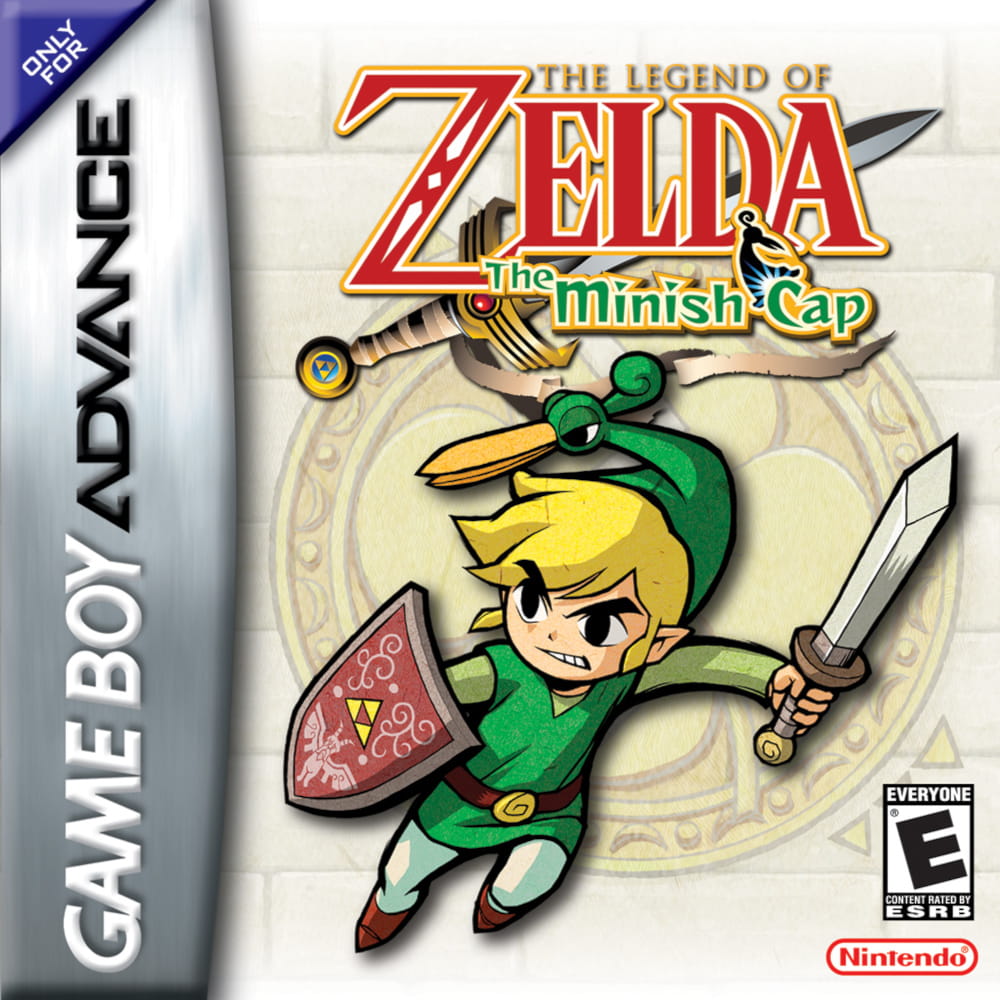
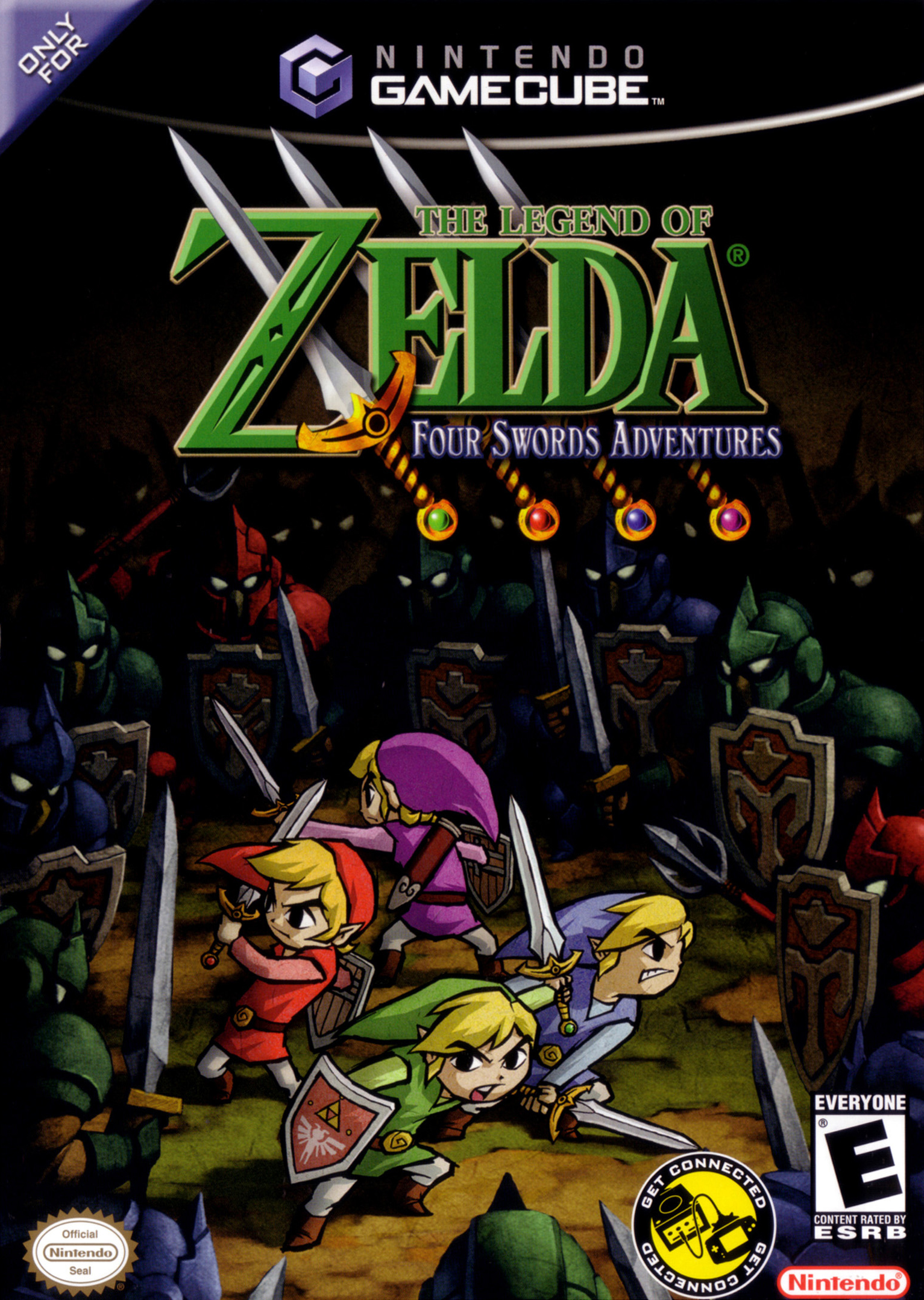
It also established a full sub-branch within Zelda history. Four Swords sits in the Force Era after The Minish Cap, making it an important hinge in the Vaati / Four Sword side of the mythos. Without it, the later existence of Four Swords Adventures feels much less grounded.
Beyond story placement, it is historically important as a snapshot of early-2000s Nintendo experimentation. Linked handheld multiplayer was awkward, expensive, and magical all at once — and Four Swords embodies that spirit perfectly.
Why it mattered then
It gave Zelda its first real multiplayer identity and turned handheld link-cable play into a genuine design statement.
Why it matters now
It remains the foundation of the Four Sword / Vaati branch and one of Nintendo’s clearest early co-op experiments.
What it changed
It showed that Zelda could work as shared, stage-based, lightly competitive co-op — a radical idea for the series at the time.
Timeline / Key Milestones
Four Swords first arrives as the multiplayer half of The Legend of Zelda: A Link to the Past & Four Swords on Game Boy Advance.
The package reaches other regions and spreads the series’ first multiplayer Zelda adventure beyond its initial launch market.
The Minish Cap deepens the Vaati / Four Sword mythology as a story prequel, while Four Swords Adventures expands the multiplayer concept on GameCube.
Nintendo reissues the game as Four Swords Anniversary Edition on DSiWare, adding a single-player mode and extra areas for the Zelda anniversary celebration.
A Link to the Past & Four Swords joins Game Boy Advance – Nintendo Classics, giving the package a much more accessible legal home on Switch.
The Four Sword created multiplayer Zelda — but the GBA cartridge, bundle packaging, link-cable setup, and anniversary afterlife are the artifacts.
Four Swords belongs in the collector lane because it connects Game Boy Advance hardware culture, local multiplayer nostalgia, A Link to the Past prestige, Vaati mythology, and one of the strangest playable branches in Zelda history.
Where to Play / Collect Today
A specialized Zelda artifact with strong GBA collector appeal.
For collectors, Four Swords is appealing because it is not only a Zelda game, but a hardware-era memory: cartridges, link cables, multiple handhelds, bundled branding, and one of Nintendo’s boldest local multiplayer experiments.
Amazon notice: As an Amazon Associate I earn from qualifying purchases.
A curated access point for Four Swords fans: original GBA copies, boxed editions, manuals, Zelda books, Game Boy Advance accessories, display pieces, and broader Hyrule collector finds.
Shop original Four Swords copies
Browse current Four Swords / A Link to the Past & Four Swords offers on eBay — ideal for GBA cartridges, boxed copies, manuals, regional variants, and collector-grade listings.
- Original Game Boy Advance cartridges
- Boxed copies, manuals, and regional variants
- Condition and price comparison
Paid partner link / Werbung — availability, condition, pricing, and shipping depend on individual eBay sellers.
Browse Zelda and GBA finds
Explore Amazon for Zelda-related books, guides, accessories, Nintendo items, and broader Game Boy Advance / retro-inspired extras.
- Zelda books, guides, merch, and accessories
- Game Boy Advance-related extras
- Gift ideas and modern Nintendo products
Paid partner link / Werbung — as an Amazon Associate, 4NERDS Gaming may earn from qualifying purchases.
Curated Etsy picks coming soon
Planned for handmade Zelda-inspired art, display objects, shelf pieces, prints, and museum-style collector items that match the 4NERDS archive aesthetic.
- Wall art and display-focused pieces
- Handmade and fan-crafted style items
- Added once the setup is ready
Etsy affiliate integration will be added after the tracking setup is approved and tested.