Tom Clancy’s Rainbow SixPlan. Breach. Survive.
The shooter that made planning as important as shooting: route diagrams, team splits, breaching points, lethal one-shot danger, and a special-forces tone that felt colder, smarter, and more disciplined than the arcade instincts of its era.
Why it still hits
- Planning-first identity: pre-mission route drawing and team orders make strategy part of the core fantasy.
- Lethal realism: firefights are fast, ugly, and often decided in seconds, which gives every move weight.
- Team-command tension: Rainbow Six sells the fantasy of being both field operator and mission architect.
- Historical impact: it helped define the tactical shooter as a serious PC genre rather than just a shooter variant.
“A shooter where the mission can already fail before the first door opens.”
Rainbow Six is remembered because it made discipline, preparation, and consequences feel thrilling.
The Shooter That Taught You to Think First
Tom Clancy’s Rainbow Six arrived in 1998 and immediately felt different from the shooters surrounding it. It was not about circle-strafing for style or carrying impossible amounts of damage like an action hero. Instead, it asked the player to study blueprints, stack teams, coordinate entry points, manage line of sight, and accept that one bad angle could end the entire operation.
That structure transformed tactical thinking from flavor into gameplay. The mission begins before the first shot, and that single idea gives Rainbow Six a tension few shooters of the period could match.
At a glanceBest experienced as a landmark PC tactical shooter where planning, briefing, route design, team coordination, and execution matter as much as reflex aim.
Game Data
| Title | Tom Clancy’s Rainbow Six |
| Release Year | 1998 |
| Developer | Red Storm Entertainment |
| Publisher | Red Storm Entertainment |
| Original Platform | Windows |
| Later Ports | Nintendo 64, PlayStation, Mac OS, Game Boy Color, Dreamcast |
| Genre | Tactical first-person shooter |
| Modes | Single-player, multiplayer |
| Expansion | Mission Pack: Eagle Watch |
| Core Loop | Plan, breach, clear, survive, adapt |
Gameplay pillars
Pre-mission planning, route assignments, team swapping, realistic lethality, hostage-rescue pressure, equipment selection, and disciplined room clearing.
Story
Based on Tom Clancy’s Rainbow Six concept, the game follows the multinational counter-terror unit Rainbow as it responds to global terrorist incidents that gradually reveal a wider conspiracy.
Most famous design fact
Rainbow Six made the planning screen part of the fantasy itself — not just a menu before the game, but one of the game’s most defining acts.
Review / Why It Still Commands Respect
Rainbow Six still makes a strong first impression because it refuses to flatter the player. The game does not throw you forward as an unstoppable commando. It expects caution. It expects thought. Before the boots hit the ground, you are already dealing with map layouts, insertion logic, and execution timing.
That creates a tone of seriousness almost immediately, and that tone remains one of the game’s greatest strengths. It tells the player that success is not bravado — success is procedure under pressure.
Why the planning screen mattersMany later games borrowed tactical aesthetics, but Rainbow Six made tactics structural. The planning phase is not decorative. It changes how you play, how you imagine the mission, and how you evaluate failure.
Rainbow Six earns its reputation through lethality. Gunfights are not extended dances. They are often over almost before the brain catches up. Positioning matters. Doorways matter. Corners matter. The result is combat where caution feels intelligent rather than cowardly.
The fantasy of controlAnother major reason it endures is that it sells a dual fantasy: not just being the operator, but being the planner. You are commander and participant. You decide who carries what, who goes where, and how the assault unfolds.
Final verdictTom Clancy’s Rainbow Six remains one of the most important tactical shooters ever made because it understood that realism is not just about weapon names or military jargon. It is about decision weight, fragility, and planning with fear in the back of your mind.
Why It Matters
Rainbow Six is historically important because it helped define the tactical shooter as a distinct form rather than merely a slower shooter. It foregrounded mission planning, unit control, and lethal realism in a way that made the genre feel serious, methodical, and strategic. The player was not merely reacting. The player was designing the operation.
It also mattered because of timing. In the late 1990s, many shooters were chasing velocity and spectacle. Rainbow Six arrived with a colder tone and a more procedural rhythm, and that contrast gave it enormous identity.
Its legacy can be felt across later Rainbow Six titles, Ghost Recon, SWAT-style tactical shooters, and modern shooters that borrow concepts like breach timing, room control, team roles, and one-shot lethality. The original Rainbow Six was not just a successful game — it was a thesis statement for a whole branch of tactical game design.
Why it mattered then
It proved that careful mission planning and harsh realism could carry a major first-person game.
Why it matters now
It remains a clean historical reference point for tactical-shooter structure, disciplined pacing, and command fantasy.
What it changed
It helped normalize the idea that a shooter could be about coordination, fragility, and preparation instead of simple aggression.
Timeline / Key Milestones
Tom Clancy’s Rainbow Six launches on Windows and immediately establishes itself as a landmark tactical FPS built around planning, squad control, and lethal realism.
The first game’s success quickly leads into the Mission Pack: Eagle Watch, reinforcing that Rainbow Six is becoming a major tactical-shooter brand.
Rainbow Six expands to Nintendo 64, PlayStation, Mac OS, Game Boy Color, and Dreamcast, spreading the name beyond the original PC audience.
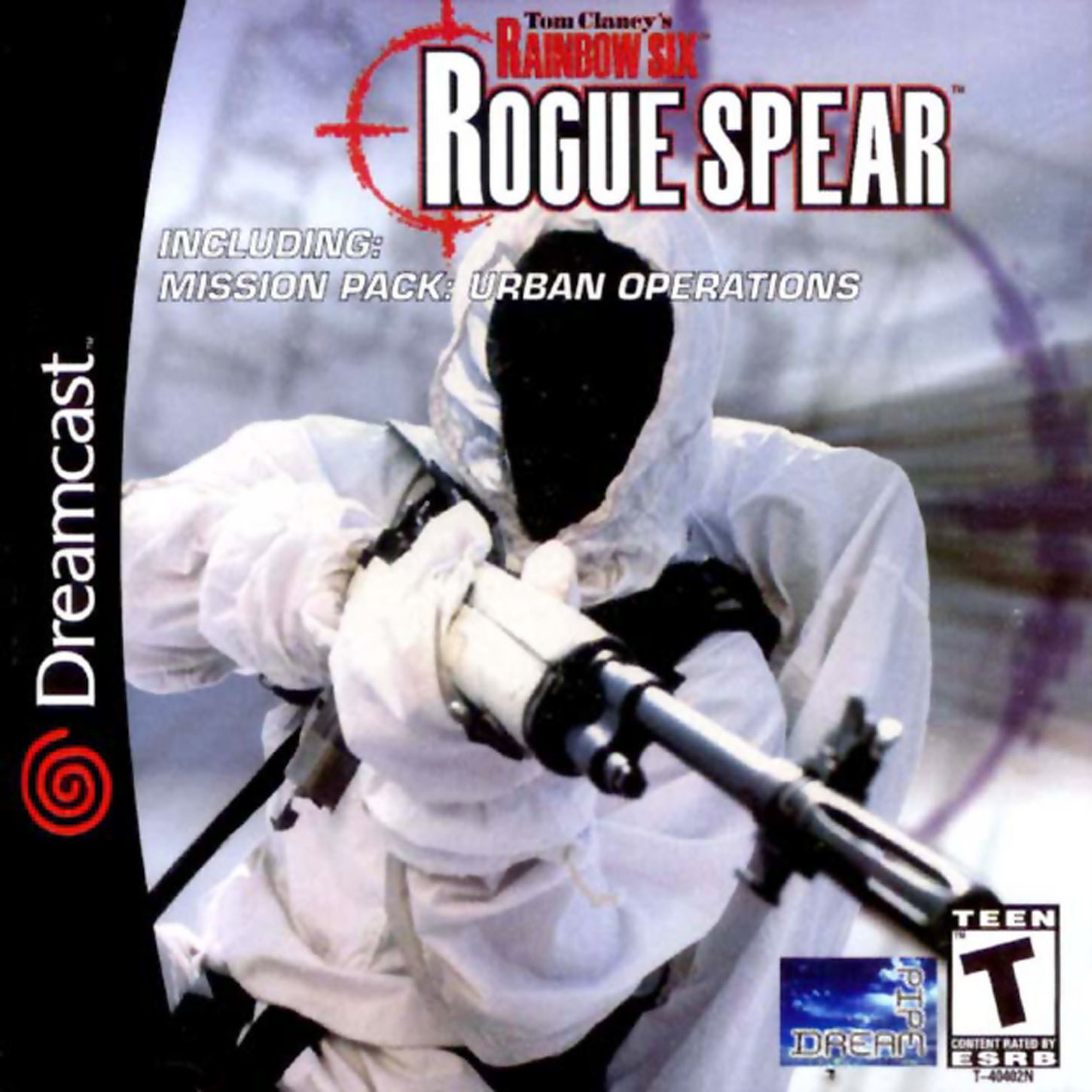
Rainbow Six: Rogue Spear arrives and helps cement the series as one of the central names in turn-of-the-century tactical shooters.
The 1998 original survives as the series’ historical anchor — the point where the Rainbow Six identity was first defined in playable form.
The operation became the memory — but the PC big box, disc, manual, console ports, Eagle Watch, guides, and tactical-shooter shelf pieces are the artifacts.
Rainbow Six belongs in the collector lane because it connects late-1990s PC big-box culture, Tom Clancy tactical fiction, the rise of realistic squad shooters, console-port translation, and a long-running franchise identity that began with route planning and lethal room clearing.
Where to Play / Collect Today
A tactical PC artifact with strong big-box, expansion, port, and franchise-origin collector appeal.
For collectors, Rainbow Six is especially interesting because it spans several lanes: original PC big-box culture, late-1990s Red Storm history, Tom Clancy branding, Eagle Watch expansion material, console ports, strategy guides, and the origins of one of tactical gaming’s most recognizable names.
Amazon notice: As an Amazon Associate I earn from qualifying purchases.
A curated access point for Rainbow Six fans: original PC big-box editions, jewel-case releases, console variants, expansion packs, manuals, tactical-shooter books, Tom Clancy extras, and archive-friendly display pieces.
Shop original Rainbow Six copies
Browse current Rainbow Six offers on eBay — ideal for PC big-box versions, jewel-case editions, manuals, console ports, expansion material, and condition-based collector comparison.
- Original PC releases and big-box editions
- Console variants, manuals, Eagle Watch, and guides
- Condition and price comparison
Paid partner link / Werbung — availability, condition, pricing, and shipping depend on individual eBay sellers.
Browse books, guides and tactical extras
Explore Amazon for related Rainbow Six material, Tom Clancy books, tactical-shooter guides, PC-gaming history books, franchise items, and modern collector extras.
- Tom Clancy books, tactical extras, and guides
- PC-gaming history and shooter-related items
- Broader Rainbow Six and tactical-game products
Paid partner link / Werbung — as an Amazon Associate, 4NERDS Gaming may earn from qualifying purchases.
Curated Etsy picks coming soon
Planned for handmade tactical-shooter shelf cards, retro PC display labels, museum-style prints, collector plaques, and presentation pieces that match the 4NERDS archive aesthetic.
- Wall art and display-focused pieces
- Handmade and fan-crafted style items
- Added once the setup is ready
Etsy affiliate integration will be added after the tracking setup is approved and tested.