- Frictionless access: it turned a foundational FPS into a click-and-play browser experience.
- Preservation gesture: the release reintroduced Wolfenstein 3D to a new audience without demanding retro hardware knowledge.
- Anniversary framing: the browser version, iOS promotion, and Carmack commentary made it feel like a proper historical event.
- Interesting compromise: it was authentic in spirit, but still clearly a commemorative access point rather than a definitive modern remaster.
“Less a remake than a museum door suddenly left open.”
The 2012 edition mattered because it made a foundational shooter feel reachable again.
A Browser Release as Historical Preservation
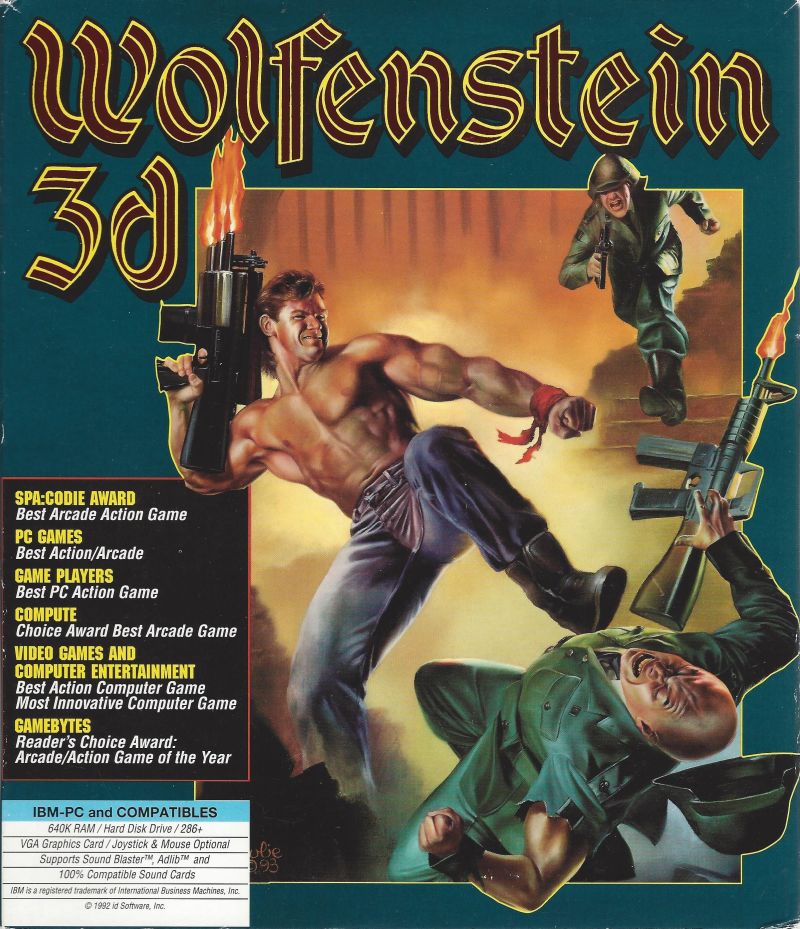
Wolfenstein 3D: 20th Anniversary Edition is interesting because it is not important in the same way the 1992 original is important. Its significance lies in access. In 2012, Bethesda and id reframed Wolfenstein 3D as something you could jump into immediately through a browser, not just something you respected from afar as a DOS relic. That changed the emotional distance around the game. Suddenly one of the medium’s great genre-defining works felt immediate, playable, and present again.
Game Data
| Title | Wolfenstein 3D: 20th Anniversary Edition |
| Release Year | 2012 |
| Developer | id Software |
| Publisher | Bethesda Softworks |
| Platform | Web Browser / HTML5 |
| Genre | Browser-based FPS re-release |
| Players | Single-player |
| Original Format | Free browser release |
| Core Loop | Run, shoot, search walls, grab keys, clear floors, rediscover FPS history |
Classic corridor combat, hidden pushwalls, key progression, treasure hunting, fast movement, and a lightweight browser wrapper around the old design language.
The anniversary browser version re-presented the early Wolfenstein 3D campaign: B.J. Blazkowicz escaping Nazi strongholds, pushing through fortress interiors, and carrying the raw anti-fascist pulp energy that helped define the original game’s tone.
The browser edition was built as a free celebratory release and effectively translated an old shareware-era classic into an instant modern web experience.
Review / Why This Anniversary Version Was Smart
The most impressive thing about Wolfenstein 3D: 20th Anniversary Edition is how quickly it collapses historical distance. Instead of reading about Wolfenstein 3D as a pillar of the FPS, the player is suddenly inside it. That shift matters. Browser access changes the emotional tone of preservation. It turns respect into contact. And for a game whose core strengths are immediacy, speed, and clarity, that is exactly the right delivery method.
WHY THE BROWSER FORMAT FITSThere is something almost poetic about Wolfenstein 3D returning in a format that feels light, frictionless, and easy to spread. The original was one of the great shareware-era success stories; the anniversary version echoes that energy in modern form. You are not being asked to build a retro-PC ritual first. You are being asked to play. That is the right instinct for this game, because Wolfenstein 3D still sells itself in minutes.
WHAT THE EDITION DOES WELLIts great strength is restraint. This is not a noisy remake with inflated presentation or an anxious attempt to modernize everything. It presents the classic in a cleaner access context and lets the original design speak. The browser framing, the anniversary conversation, and John Carmack’s commentary all help turn the release into more than a novelty. It feels like a guided reintroduction to a crucial text.
WHERE IT FEELS LIMITEDThe edition is still tied to the age and boundaries of the original work. It does not become a modern comfort-first remaster just because it runs in a browser. Its limited save structure, old-school combat language, and historical roughness remain part of the package. In that sense, it works better as an act of access and celebration than as a definitive forever version.
FINAL VERDICTAs a commemorative release, Wolfenstein 3D: 20th Anniversary Edition was a smart and elegant move. It respected the original, leveraged modern delivery, and reminded players that preservation is not only about storage — it is also about re-entry. That makes this browser edition more important than its light footprint might suggest.
Why Historically Important
The 2012 anniversary edition matters because it reframed how classic games could be reintroduced. Instead of treating Wolfenstein 3D as a museum object locked behind nostalgia, technical setup, or platform ownership, Bethesda and id made it instantly reachable through a browser. That is a preservation decision as much as a marketing one.
It also came at the right symbolic moment. A twentieth anniversary invites reflection, but reflection alone is passive. The browser release transformed the anniversary into an active encounter. Players could read about Wolfenstein 3D’s influence on Doom, on PC shooters, on the 1990s, and then immediately test its speed and structure for themselves.
In that sense, this edition is historically useful beyond the game it celebrates. It shows how re-releases can work as cultural bridges: not necessarily by upgrading every texture or redesigning every system, but by making access simple enough that history becomes playable again.
Timeline / Key Milestones
Wolfenstein 3D releases for MS-DOS and becomes one of the defining catalysts for the first-person shooter boom.
Ports, re-releases, and historical discussion keep the game visible, but it increasingly becomes something younger players know more by reputation than direct play.
Bethesda and id launch a free HTML5 browser version to celebrate twenty years of Wolfenstein 3D and bring the classic back into immediate circulation.
John Carmack records anniversary commentary while the wider celebration also pushes renewed attention toward the iOS version and the series’ early history.
The official browser version eventually goes offline, which ironically makes the 2012 edition itself into a historical footnote worth documenting.
The anniversary edition is remembered as a smart digital-access moment: a browser-based doorway back into FPS history.
4NERDS Collector Marketplace
A curated access point for Wolfenstein 3D fans, DOS collectors, FPS historians, archive readers, and retro-PC players: original-market searches, modern related items, and future handmade display pieces — clearly marked as partner links where applicable.
Shop Wolfenstein anniversary finds
Browse current Wolfenstein 3D: 20th Anniversary Edition and related Wolfenstein 3D offers on eBay — useful for boxed originals, DOS copies, manuals, collector bundles, and historical display pieces.
- Original DOS-era copies and related editions
- Boxed versions, manuals, and collector lots
- Condition and price comparison
Paid partner link / Werbung — availability and pricing depend on eBay sellers.
Browse Wolfenstein 3D items
Explore Amazon for Wolfenstein 3D-related items, id Software history books, retro gaming guides, Bethesda collections, FPS archive material, and modern extras for collectors.
- Books, merch, and retro-gaming material
- Wolfenstein and id Software related items
- Gift ideas and archive browsing
Paid partner link / Werbung — as an Amazon Associate, 4NERDS Gaming may earn from qualifying purchases.
Curated Etsy picks coming soon
Planned for handmade Wolfenstein-inspired display pieces, retro FPS shelf art, DOS-era prints, desk objects, and museum-style collector décor that match the 4NERDS archive aesthetic.
- Wall art and display-focused pieces
- Handmade and fan-crafted style items
- Added once the setup is ready
Etsy affiliate integration will be added after the tracking setup is approved and tested.
Transparency note: 4NERDS Gaming does not sell these items directly. External shops, prices, stock, shipping terms, and seller conditions may change at any time. eBay and Amazon links in this section are sponsored / paid partner links. Etsy is currently shown as an upcoming integration and does not link out yet.