The Evolution of the Personal Computer
From switch-driven hobby kits and early home systems to modular business machines, multimedia desktops, laptop dominance, efficient SoC designs, and AI-accelerated platforms — the history of the personal computer is a story of solved bottlenecks. Every generation made the PC faster, more usable, more visual, more portable, and more deeply embedded in everyday life.
How the personal computer kept reinventing itself
The history of the PC is not simply a list of famous machines. It is a chain of technical problem-solving. Early systems struggled with cost, accessibility, memory limits, primitive input methods, weak displays, and tiny software libraries. Later generations solved those issues in layers: better processors, integrated packaging, standard hardware ecosystems, graphical interfaces, richer media, dedicated graphics, portable designs, flash storage, and increasingly specialized compute blocks.
This page follows that logic closely. Each generation below shows not just what machines appeared, but why they mattered technically. What bottleneck did they help break? What did they make easier, faster, more visual, or more personal? That is the real story of the personal computer’s rise.
Walk through the generations
Think of the deck below as a museum floor plan. Each era highlights the machines and technical shifts that pushed the personal computer forward.
Birth of the PC
Hobbyist kits, early video output, and the first coherent desktop forms.
Microcomputing begins 1980sHome & Office Expansion
Standardization, household adoption, and the push toward graphical interaction.
PC identity forms 1990sMultimedia & 3D
Faster processors, Windows mainstreaming, CD-ROM culture, and graphics acceleration.
Power becomes visible 2000sInternet & Mobility
Multi-core CPUs, laptop dominance, wireless life, and the SSD transition.
Everyday portability 2010s+Hybrid & AI Era
Efficient architectures, GPU computing, and assistive on-device intelligence.
Balanced modern systemsThe birth of the personal computer
In the 1970s, the personal computer was still experimental. Machines were often expensive, technically demanding, and aimed at enthusiasts rather than ordinary households. Yet this decade delivered the decisive conceptual break: computing no longer had to remain institutional. It could sit on a desk, belong to an individual, and be expanded, learned, and shaped at home.
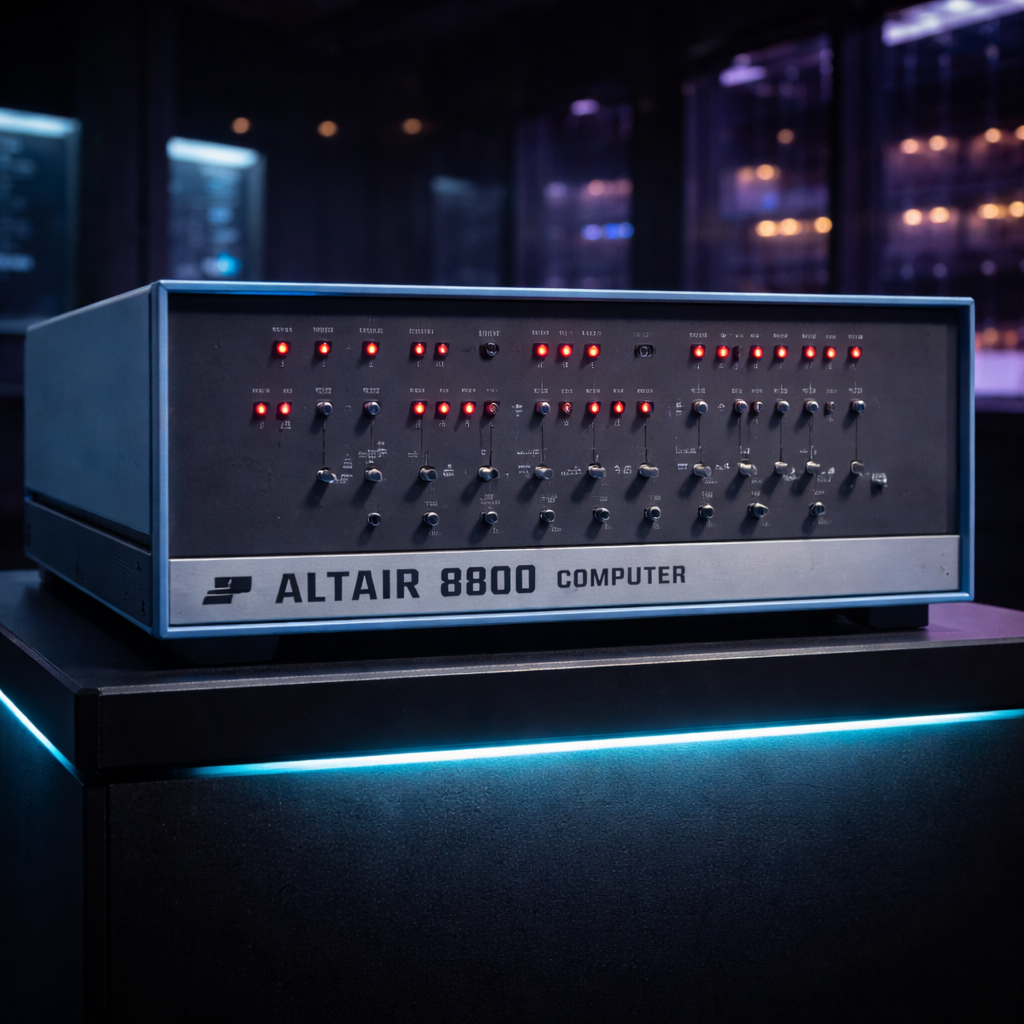
Altair 8800
The Altair 8800 is widely remembered as the machine that ignited the hobbyist personal computer movement. It was not friendly in the modern sense — interaction was primitive and often dependent on switches and lights — but it proved that a small, individually owned computer could become a real product category.
The Altair did not win by elegance. It won by making ownership plausible and by giving enthusiasts a platform to experiment on — which helped ignite the software culture that would become just as important as hardware.
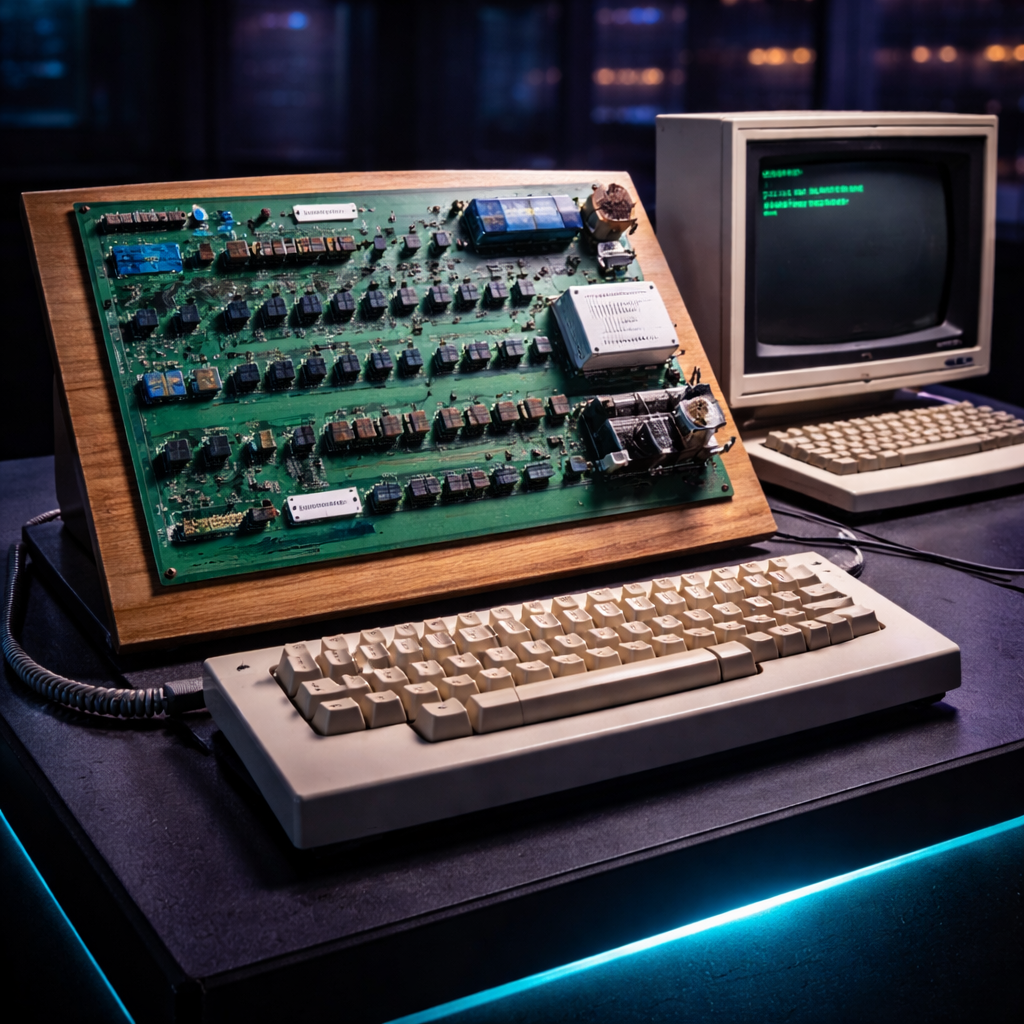
Apple I
The Apple I still belonged to the hobby era, but it pushed personal computing one step closer to accessibility. It arrived as a pre-assembled board rather than a fully raw kit, and that difference mattered: the machine felt less like an engineering project and more like the beginning of a product.
The Apple I helped redefine what people could expect from a personal computer: not just something programmable, but something that could begin to look and feel practical on a desk.
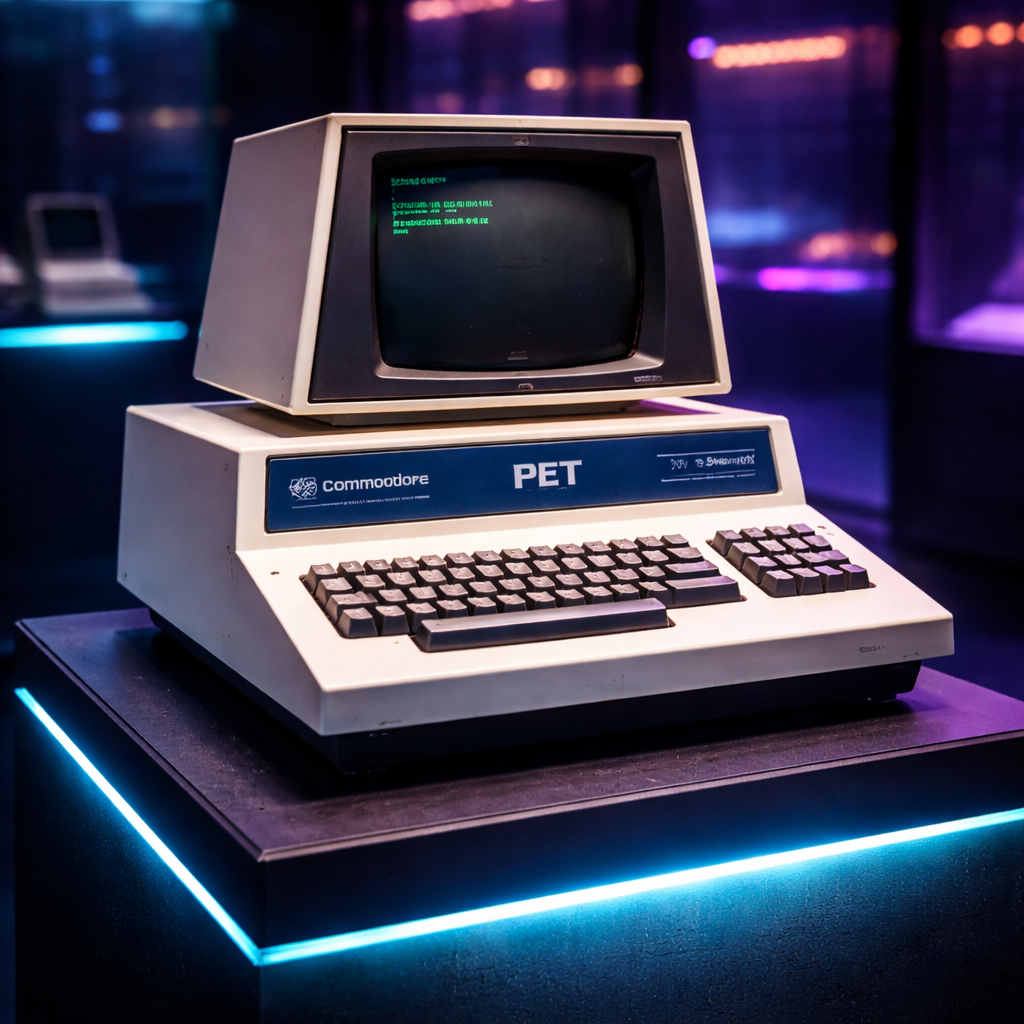
Commodore PET
The Commodore PET made the personal computer feel more self-contained. By integrating the monitor and keyboard into one recognizable desktop form, it helped establish the visual identity of the computer as a stable appliance rather than a temporary experiment.
The PET helped normalize the physical form of the desktop computer. Packaging mattered because adoption depends not just on capability, but on trust, coherence, and repeatable usability.
From hobby machine to household and office standard
During the 1980s, the personal computer stopped being a niche curiosity and began to spread into offices, schools, and homes on a much broader scale. This decade did not just produce new machines — it defined competing visions of what the PC should be. One path emphasized open architecture and business credibility. Another focused on affordable home computing. A third pushed graphical interaction and a more human-centered interface model.
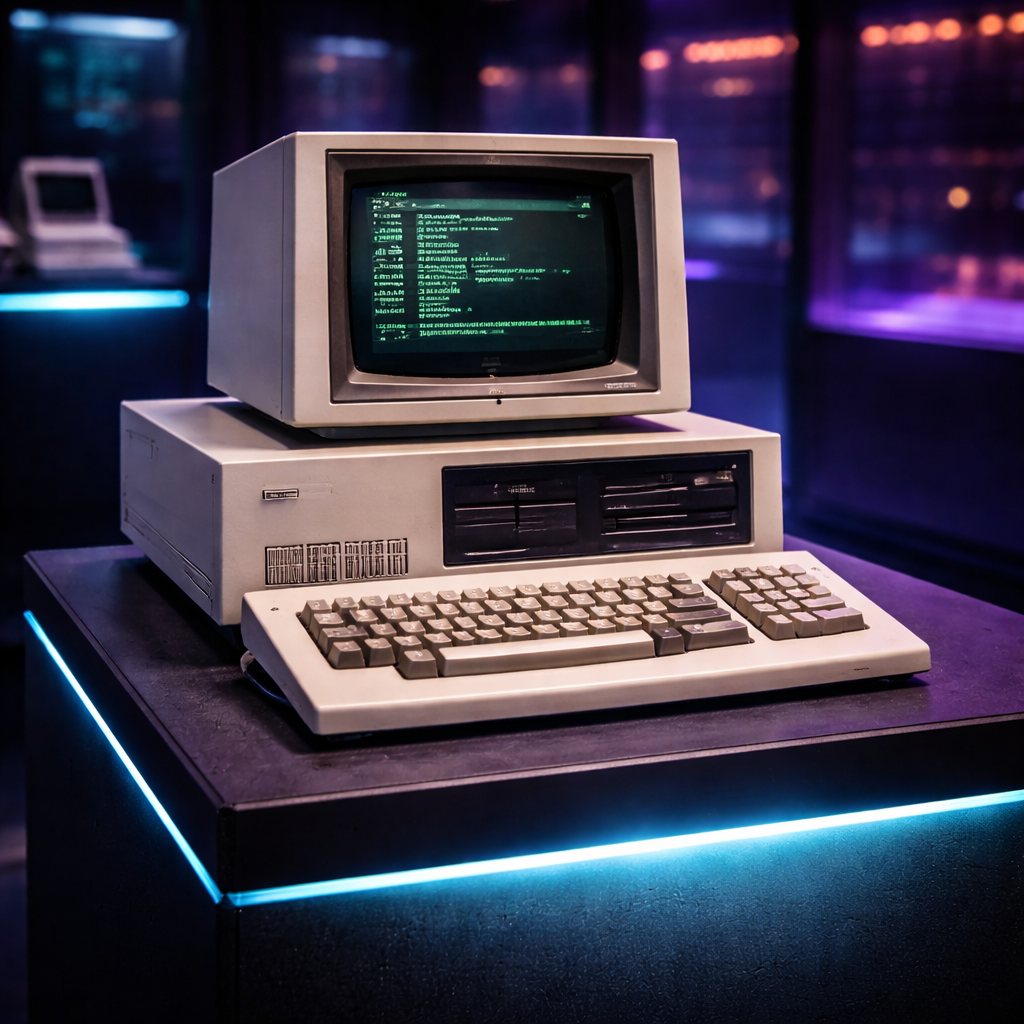
IBM PC 5150
The IBM PC changed the market less by visual drama than by structural influence. With a modular design, expansion slots, and strong business credibility, it helped establish the architecture and compatibility mindset that defined the wider PC world. Businesses now had a machine category they could trust, suppliers could target, and developers could build around.
The IBM PC helped turn “PC” from a vague concept into an industry standard. That standardization created the component ecosystem, clone culture, and software targeting logic that still define desktop computing today.
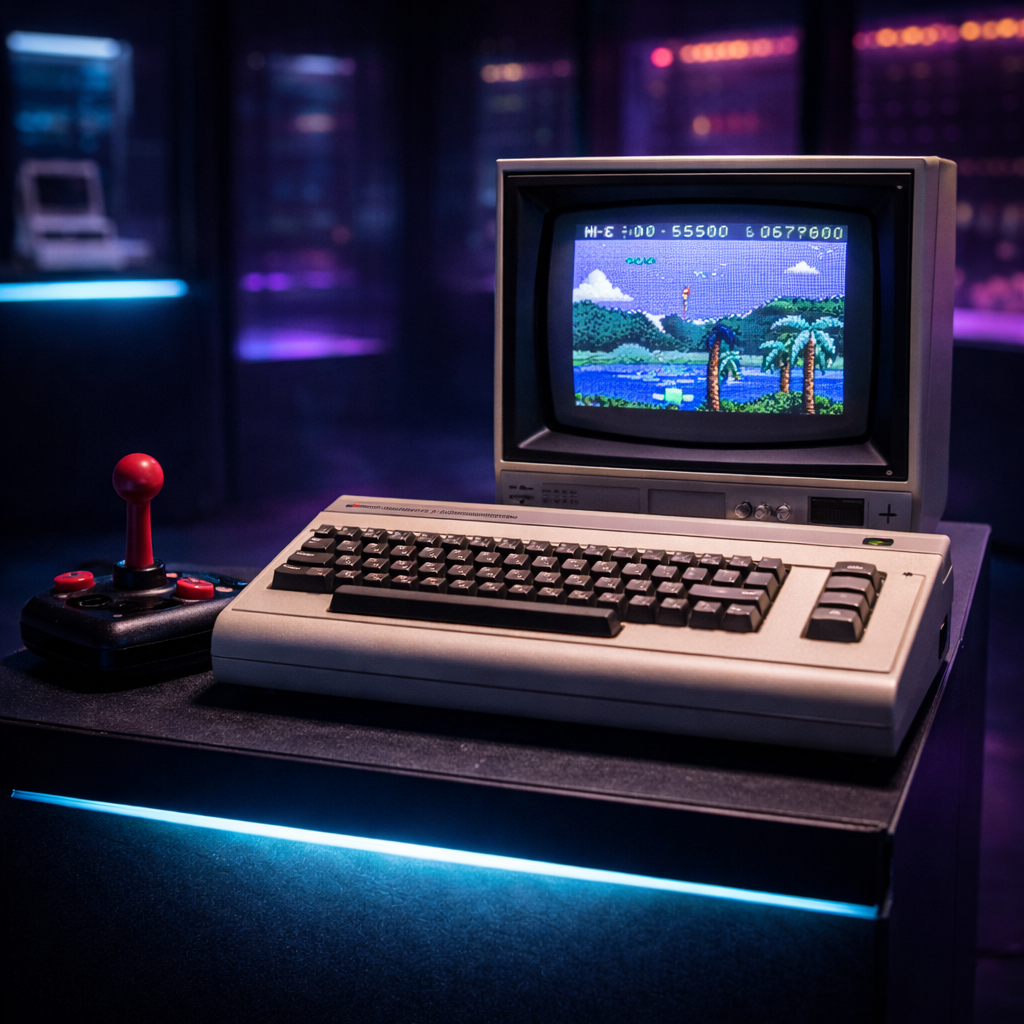
Commodore 64
The Commodore 64 brought powerful home computing to a huge audience. It blended programmability, games, creative experimentation, and affordability in a way that made the computer feel less like an office machine and more like a domestic platform. For many users, this was the first machine that made computing feel personal in the literal household sense.
The Commodore 64 proved that wide adoption depended on emotion and accessibility as much as engineering. It showed that people would welcome computers into the home when the price, software culture, and experience felt right.
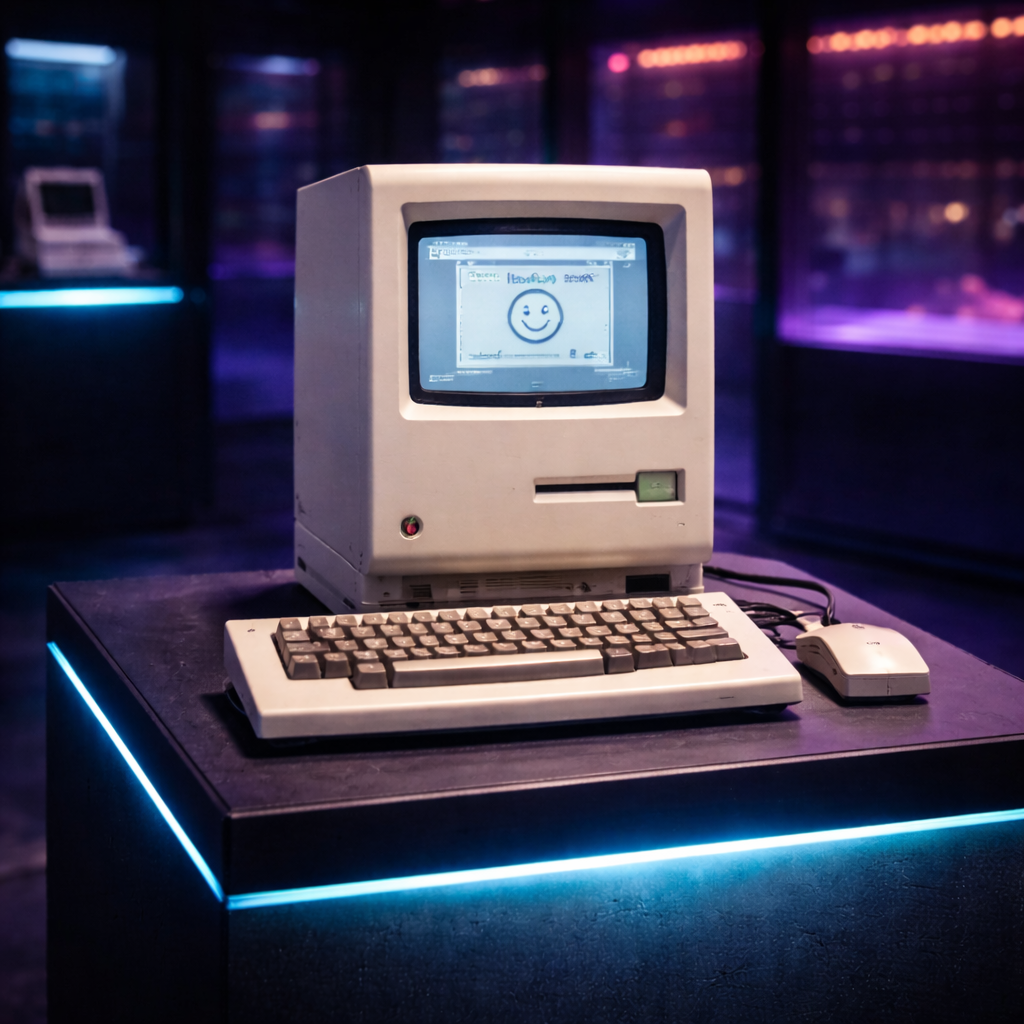
Apple Macintosh
The Macintosh pushed the idea that a computer should be visually navigable rather than command-driven. While early hardware constraints remained significant, the conceptual shift was huge: icons, windows, menus, and the mouse transformed how many users imagined the future of computing. The PC was becoming less cryptic and more approachable.
The Macintosh helped redefine usability itself. It did not merely add features — it changed the language of interaction and pushed visual computing closer to the center of everyday desktop life.
The multimedia desktop and the rise of real-time 3D
In the 1990s, the personal computer became dramatically more capable and much more central to everyday life. Faster processors, maturing operating systems, larger storage media, sound hardware, CD-ROM software, and eventually 3D graphics acceleration transformed the desktop into a machine for work, communication, and increasingly rich entertainment. This was the decade when the PC stopped feeling merely useful and began to feel powerful.
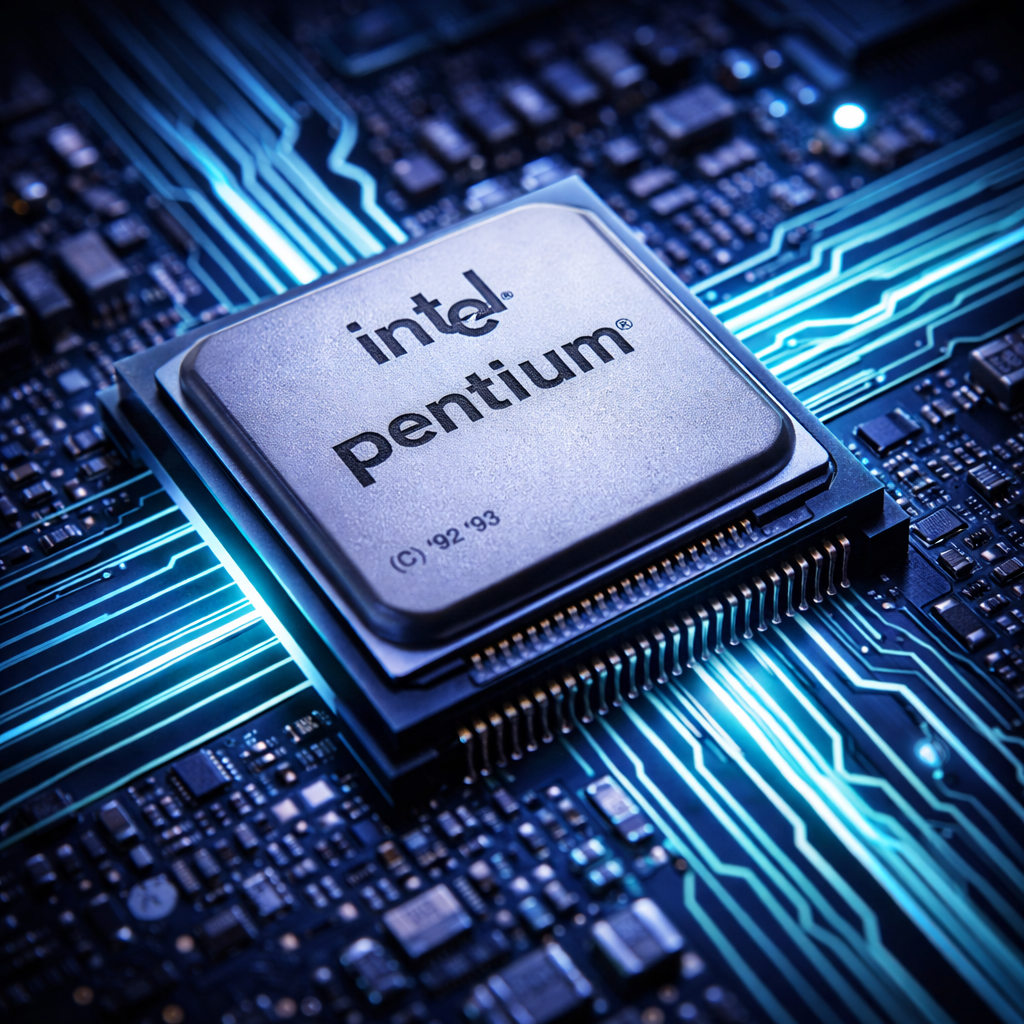
Pentium PCs
Pentium-based machines represented a major step in perceived speed and fluidity. More demanding software, better graphics, richer interfaces, and expanding internet use all benefited from the performance uplift. Users increasingly bought PCs not just to have computing access, but to have a noticeably faster and more capable experience.
Pentium systems helped define the expectation that personal computing should feel fast, responsive, and future-ready. Performance was no longer a niche concern — it became part of the mainstream buying conversation.

Windows 95 Era
Windows 95 was one of the software milestones that made PCs feel more coherent for ordinary users. The Start menu, taskbar, desktop metaphor, and growing plug-and-play culture reduced friction and made the machine feel easier to navigate. This was vital because widespread adoption depends as much on confidence and familiarity as on silicon.
Windows 95 helped establish what “normal PC use” looked like. It made the desktop more learnable, more habitual, and better aligned with the mass-market growth of personal computing.
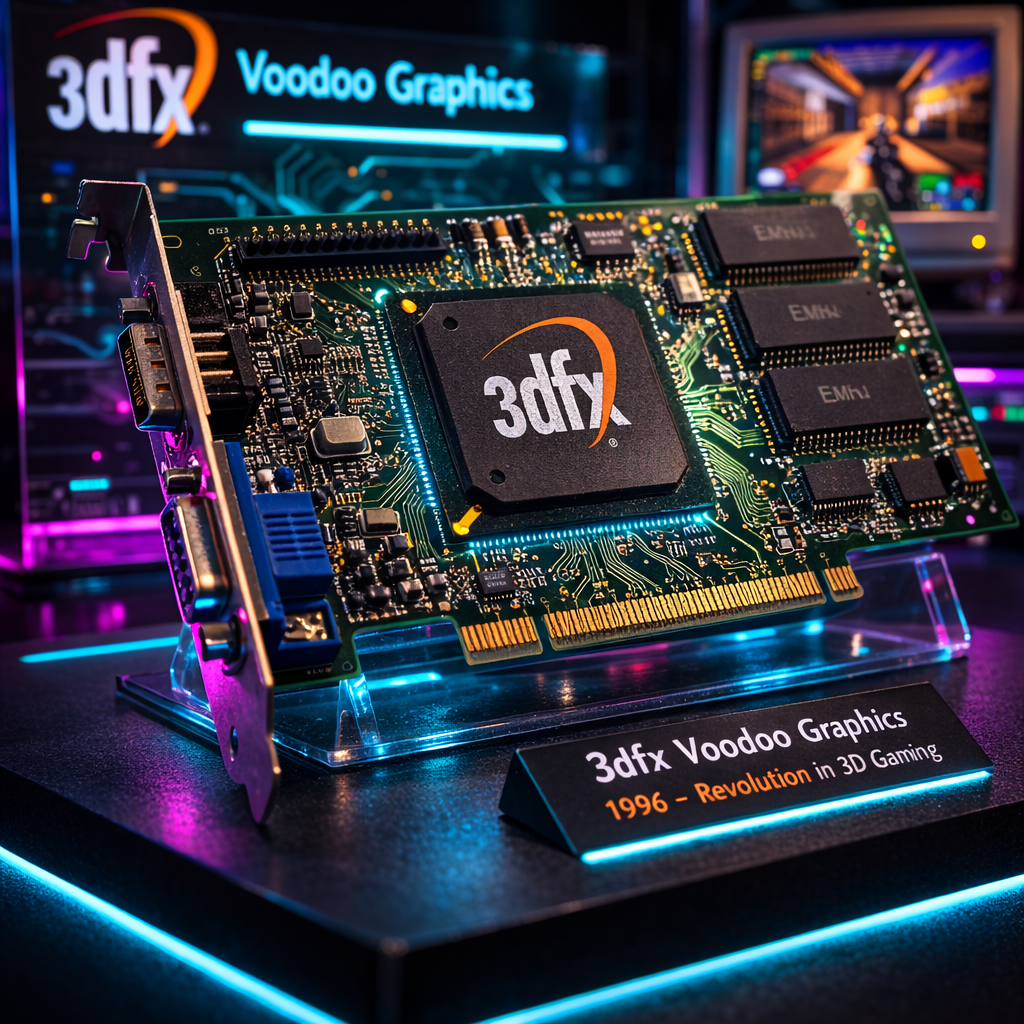
3D Graphics Accelerators
Dedicated 3D graphics cards changed the PC forever. Instead of asking the CPU to do nearly everything, graphics accelerators took over rendering-intensive tasks and unlocked smoother frame rates, richer environments, better textures, and more advanced visual effects. The gaming PC began to emerge as a distinct and culturally powerful machine category.
The GPU revolution was one of the biggest turning points in PC history. It did not just improve graphics — it changed system architecture and laid the groundwork for later GPU compute and AI workloads.
Internet culture, mobility, and the next performance strategy
By the 2000s, the personal computer was no longer proving itself — it was already central. The challenge now was refinement: making systems faster without simply increasing clock speed forever, making them more portable without making them unusable, and making them more responsive even as software complexity grew. The result was a decade defined by multi-core CPUs, better laptops, widespread wireless networking, and the gradual replacement of mechanical storage with flash-based speed.
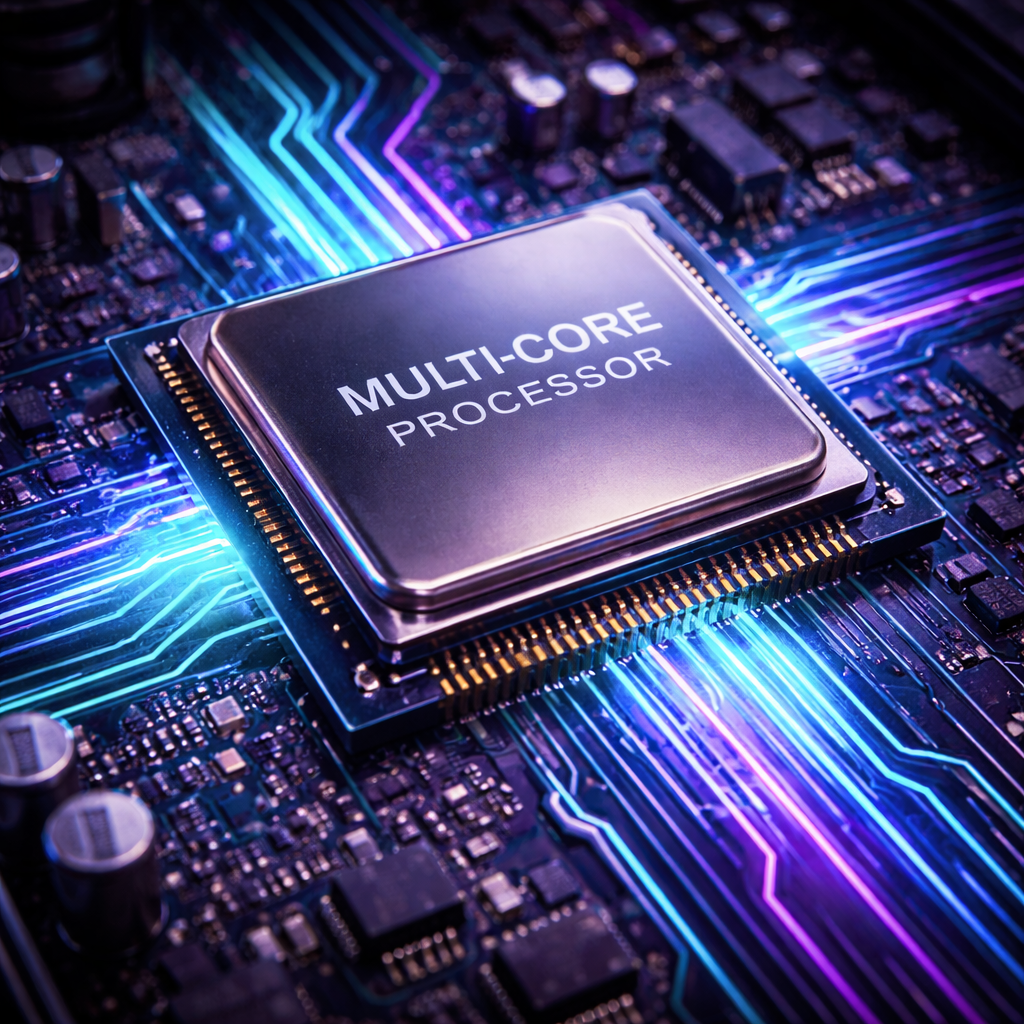
Multi-Core Processors
The frequency race could not continue forever. Heat, energy use, and architectural limits pushed the industry toward multi-core designs, where several processing units could work in parallel. This did not instantly make every workload faster, but it changed the long-term direction of PC performance and reshaped how both software and hardware were designed.
Multi-core CPUs redefined what “faster” meant. They forced the broader ecosystem to think in terms of threads, scheduling, and system balance rather than just raw megahertz or gigahertz.
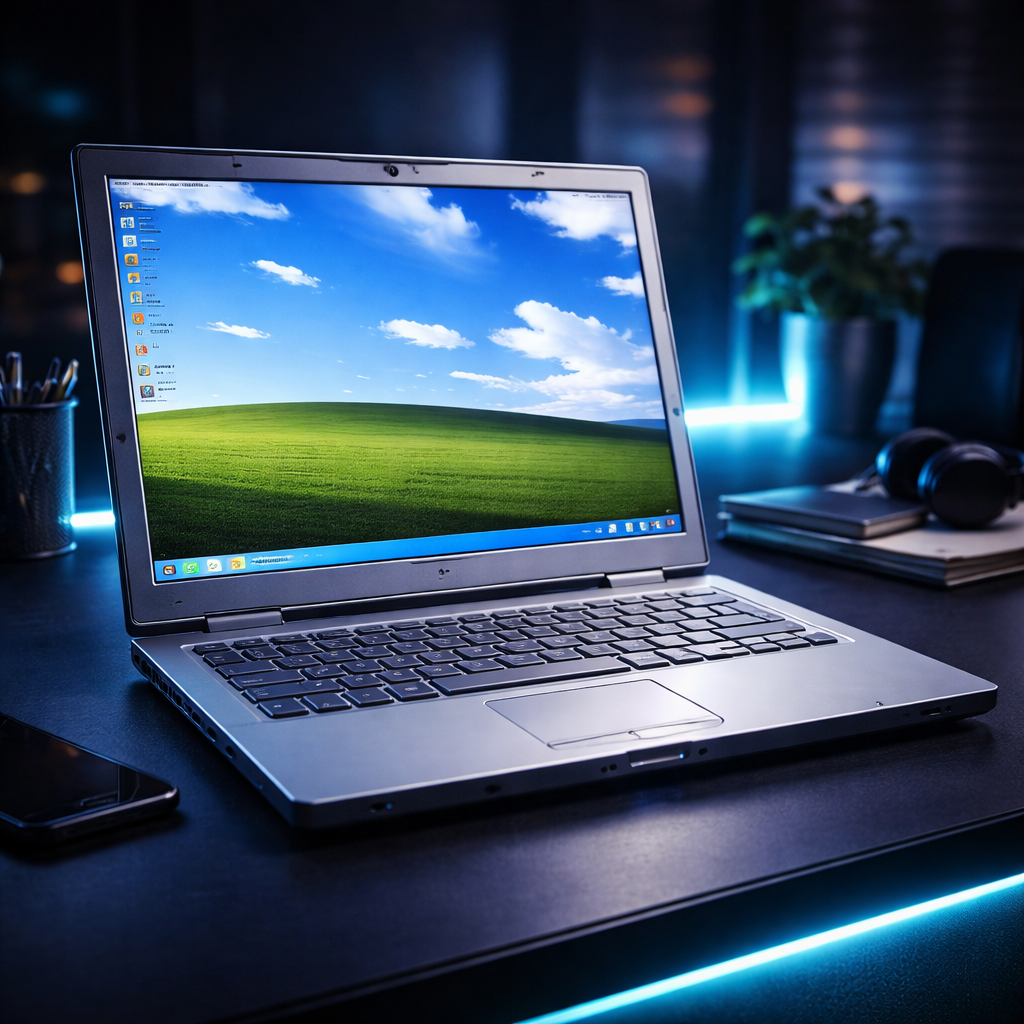
The Laptop Boom
Portable computing matured into the mainstream. Improvements in battery life, processor efficiency, displays, wireless networking, and physical design made laptops more practical for daily life. The PC was no longer tied to a single desk. It could move between rooms, classes, offices, cafés, and travel scenarios without feeling like a second-class machine.
The laptop boom changed the spatial meaning of the PC. Computing became flexible rather than fixed, and that shift opened the door to ultrabooks, hybrids, and today’s mobility-first expectations.

Solid State Storage
Solid state drives changed the everyday feel of the PC more dramatically than many CPU upgrades. Replacing spinning disks with flash memory reduced access times, improved boot speed, accelerated application launches, and made whole systems feel more immediate. In many cases, the most noticeable PC upgrade was no longer the processor — it was the storage.
SSDs remind us that technical progress is not only about compute power. Sometimes the most transformative advance is removing an old bottleneck that users had learned to tolerate for years.
Efficiency, integration, and the AI-accelerated PC
In the 2010s and 2020s, the personal computer entered another major transition. The question was no longer only how to make PCs faster in the traditional desktop sense, but how to make them more balanced, more efficient, more mobile, and increasingly more specialized for modern workloads. Graphics processors became broader compute engines, energy-efficient architectures challenged old assumptions, and dedicated AI acceleration began to move into mainstream personal systems.
ARM-Based PCs
ARM-based PCs challenged the long-standing assumption that mainstream personal computers had to be defined by traditional desktop-class x86 design. With strong efficiency, tight integration, excellent battery life, and increasingly serious performance, these systems showed that the future of the PC could be built around balance rather than brute-force heat and power.
ARM-based PCs marked a philosophical change in personal computing: the best machine was no longer simply the hottest or loudest one, but the one that delivered fast, efficient, integrated performance.
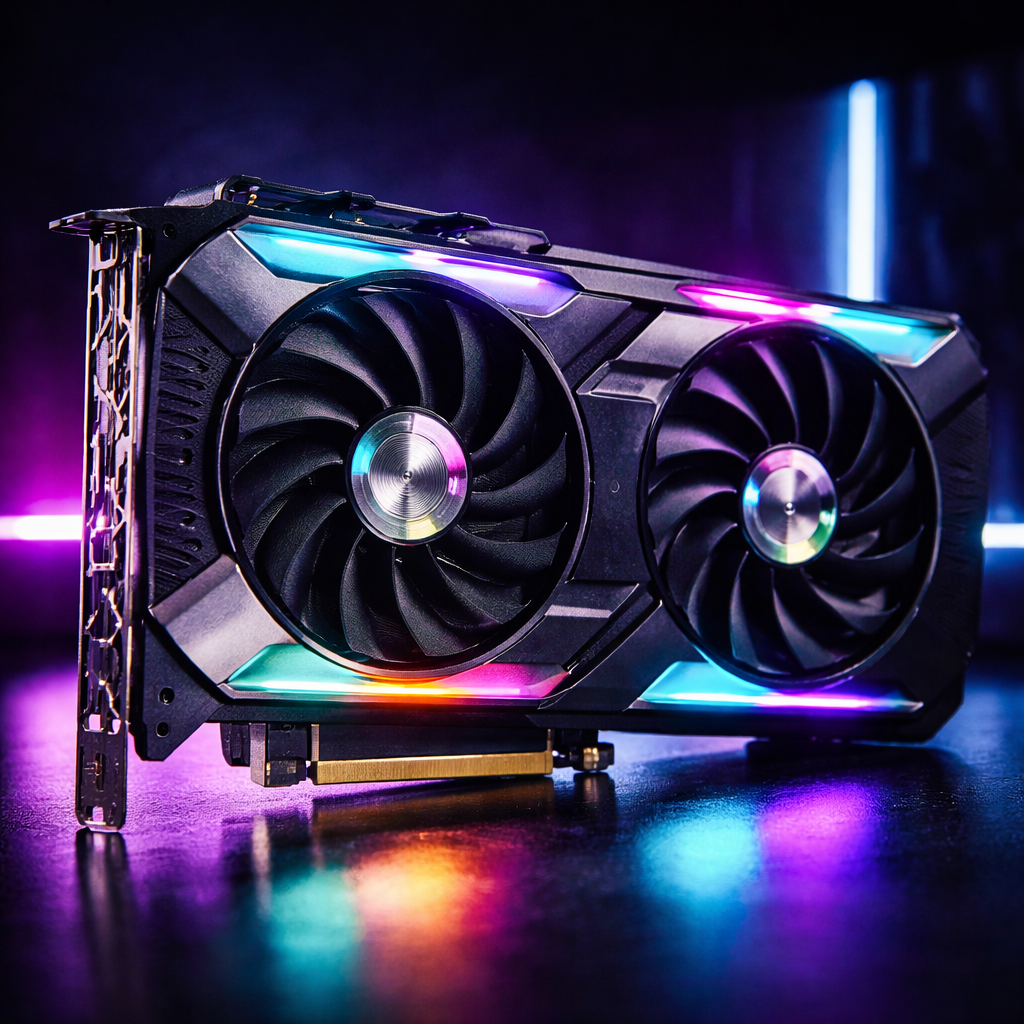
GPU Computing
Modern GPUs became central not only to high-end gaming, but also to rendering, creative workloads, scientific simulation, and artificial intelligence. The personal computer was now a heterogeneous machine in which different processors handled different kinds of work, and graphics hardware became essential to much more than images on a screen.
GPU computing expanded the identity of the PC again. What began as a visual upgrade path became a foundational pillar of modern compute, creativity, simulation, and machine learning.
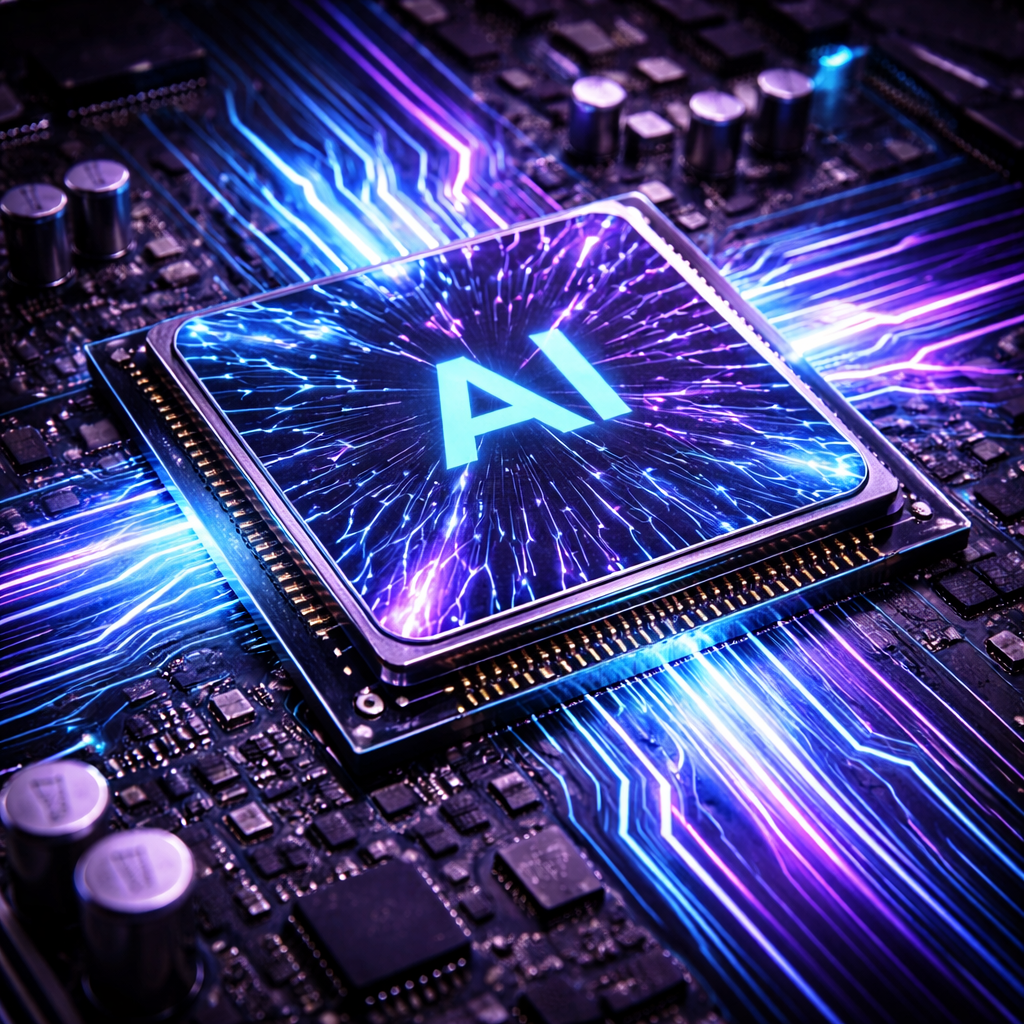
AI PCs
The newest generation of personal computers increasingly includes dedicated neural or AI-oriented processing blocks. These systems aim to accelerate workloads such as speech enhancement, image manipulation, inference, background assistance features, and emerging productivity tools directly on the device. The PC is starting to become not just programmable, but contextually assistive.
AI PCs may represent the next major platform shift: the moment when the personal computer evolves from a passive general-purpose device into an actively assistive machine.
Technical synthesis — how the PC kept reinventing itself
The personal computer did not evolve through one single invention. Its history is a chain of layered improvements. The microprocessor made desktop-scale ownership possible. Better packaging made computers easier to place in homes, schools, and offices. Standardization turned isolated models into broad ecosystems. Graphical interfaces made the machine more learnable. Faster CPUs and GPUs made it expressive, immersive, and commercially versatile. Multi-core design redefined performance. SSDs removed old storage bottlenecks. Efficient architectures and integrated acceleration then pushed the PC into a new age of mobility and balance.
The most important lesson is that the PC survived by adapting. It absorbed ideas from business systems, home devices, gaming hardware, portable computing, and now AI-oriented design. That ability to evolve without disappearing is exactly why the personal computer remains historically important: it is not a fixed object, but a flexible platform that keeps redefining what personal technology can be.