Dynamite Duke (1989)
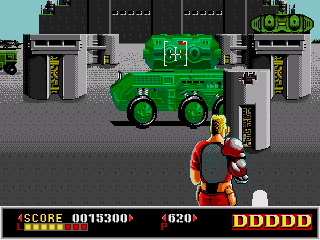
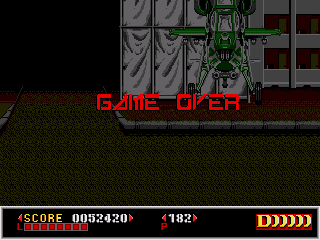
Dynamite Duke is a 1989 arcade action shooter in the “Cabal-style” shooting gallery subgenre: you fight from an over-the-shoulder perspective, strafe between lanes, and spray enemies while managing incoming fire and boss patterns. The original was developed by Seibu Kaihatsu and later ported to several home systems.
Game Data
| Release Year | 1989 |
| Developer | Seibu Kaihatsu (Arcade) |
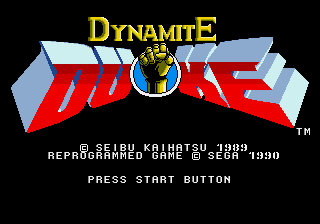
| Publisher | Seibu Kaihatsu (Arcade) / Sega (Ports) |
| Platform | Arcade / Mega Drive-Genesis / Master System / X68000 |
| Genre | Shooting Gallery / Action Shooter |
| Players | 1–2 (Arcade variants) / 1 (most ports) |
| Original Media | Arcade Cabinet |
Gameplay:
Aim and fire while dodging bullets and explosives from a fixed “behind the hero” viewpoint. Movement is
lane-based/side-step oriented, keeping you in constant danger while you shred waves and tackle chunky boss fights.
Power-ups and route control matter as much as raw reflex.
Story:
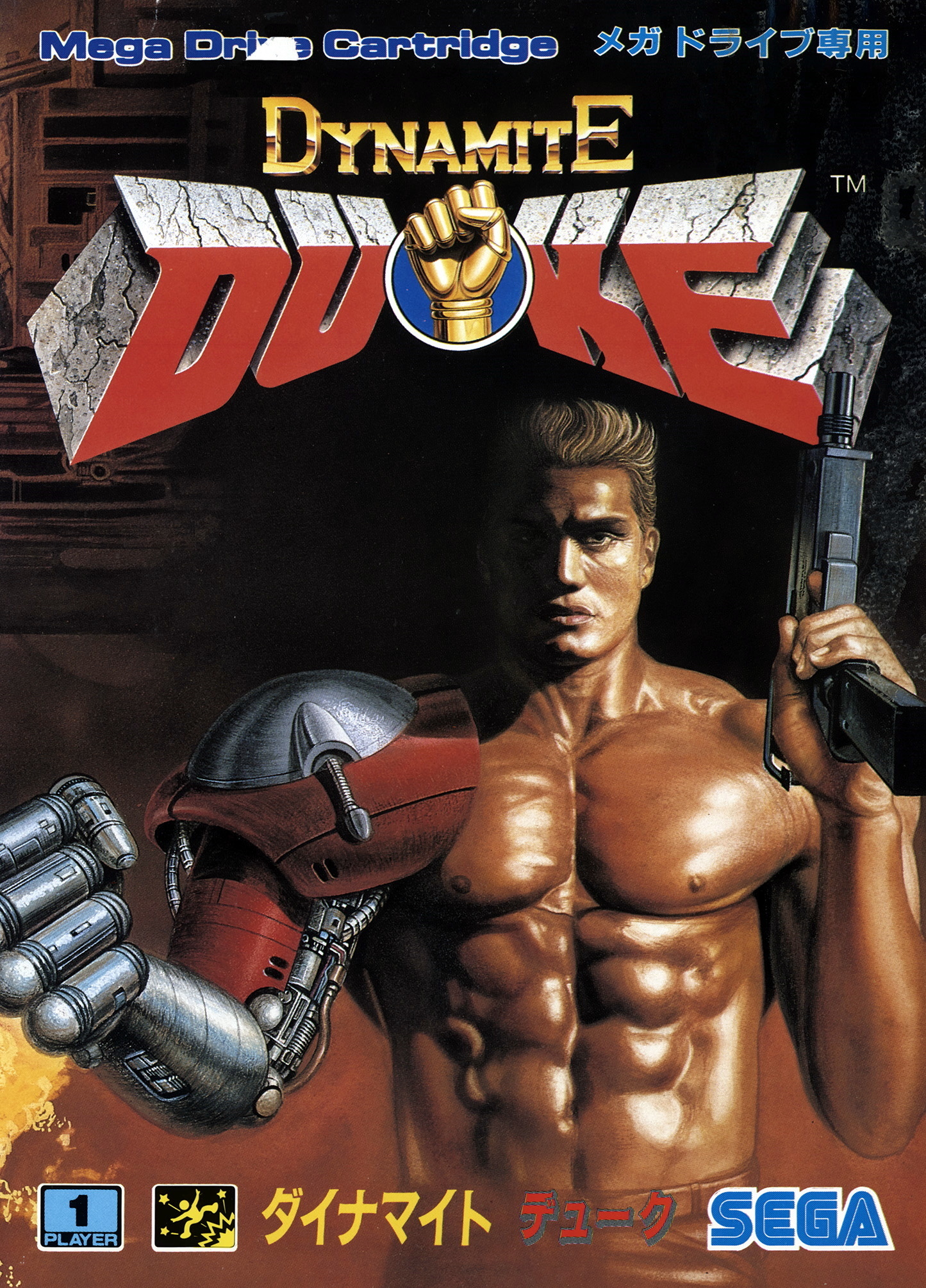
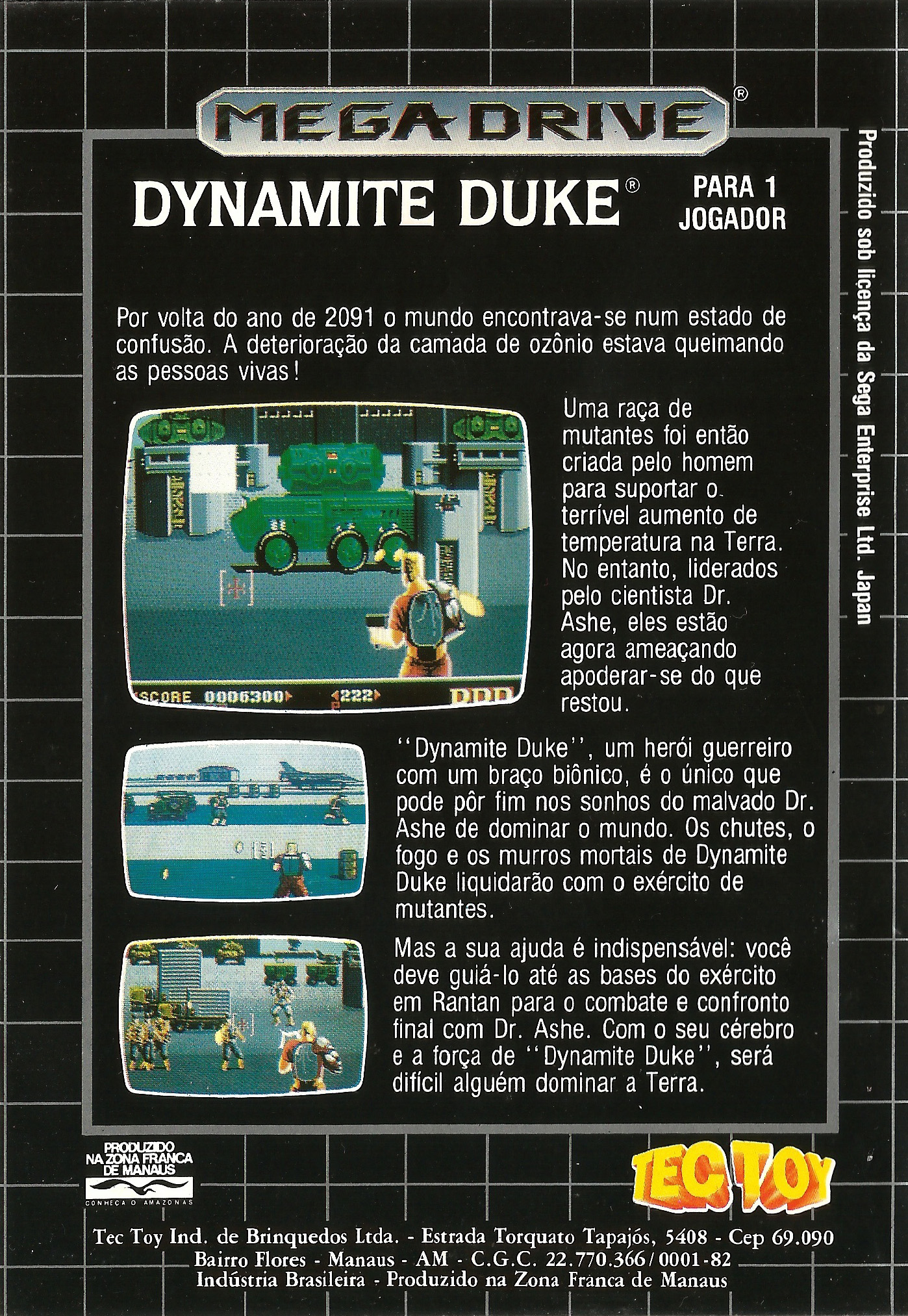
A rogue scientist builds an army of mutants to seize control. Duke—an action hero with a cybernetic arm and a
machine gun—storms bases and battlefields to shut the operation down.
Trivia:
Despite the similar name, this is unrelated to the later “Earth Defense Force” third-person shooter series—
Dynamite Duke is firmly in the late-’80s arcade “Cabal shooter” lineage.
Dynamite Duke is a textbook arcade “pressure game”: enemies flood the screen, bosses force pattern reading, and the camera perspective makes every hit feel immediate. If you like Cabal-style shooters, this is a core entry from the era that helped define the look and pacing of the subgenre.

Screenshots / Media
Timeline / Versions
Why Dynamite Duke Was Historically Important
Dynamite Duke is an important snapshot of the late-’80s arcade transition toward “over-the-shoulder” shooting gallery design—what many players now call Cabal shooters. Its readable lane movement, heavy enemy pressure, and boss-forward pacing influenced how arcade action games delivered spectacle without fully switching to free-roaming run-and-gun design. It also illustrates a common era pattern: a co-op coin-op concept reshaped into a single-player home port experience on consoles like the Mega Drive/Genesis.