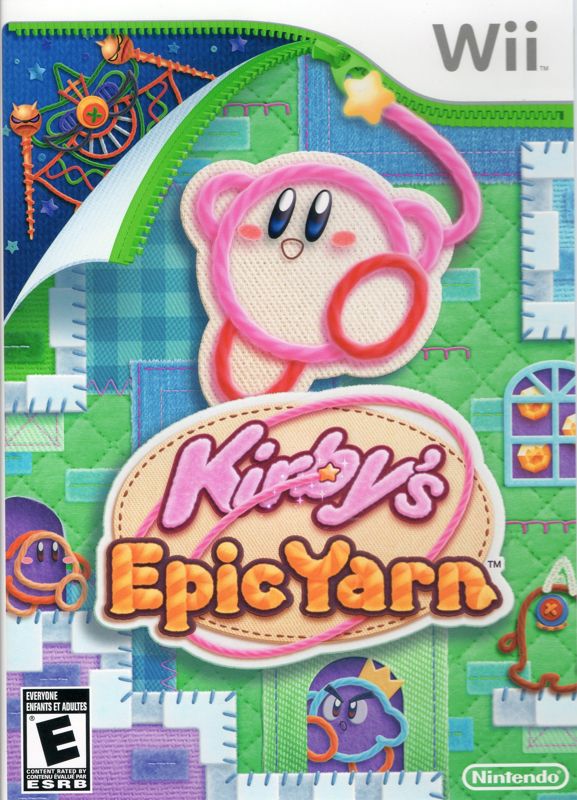
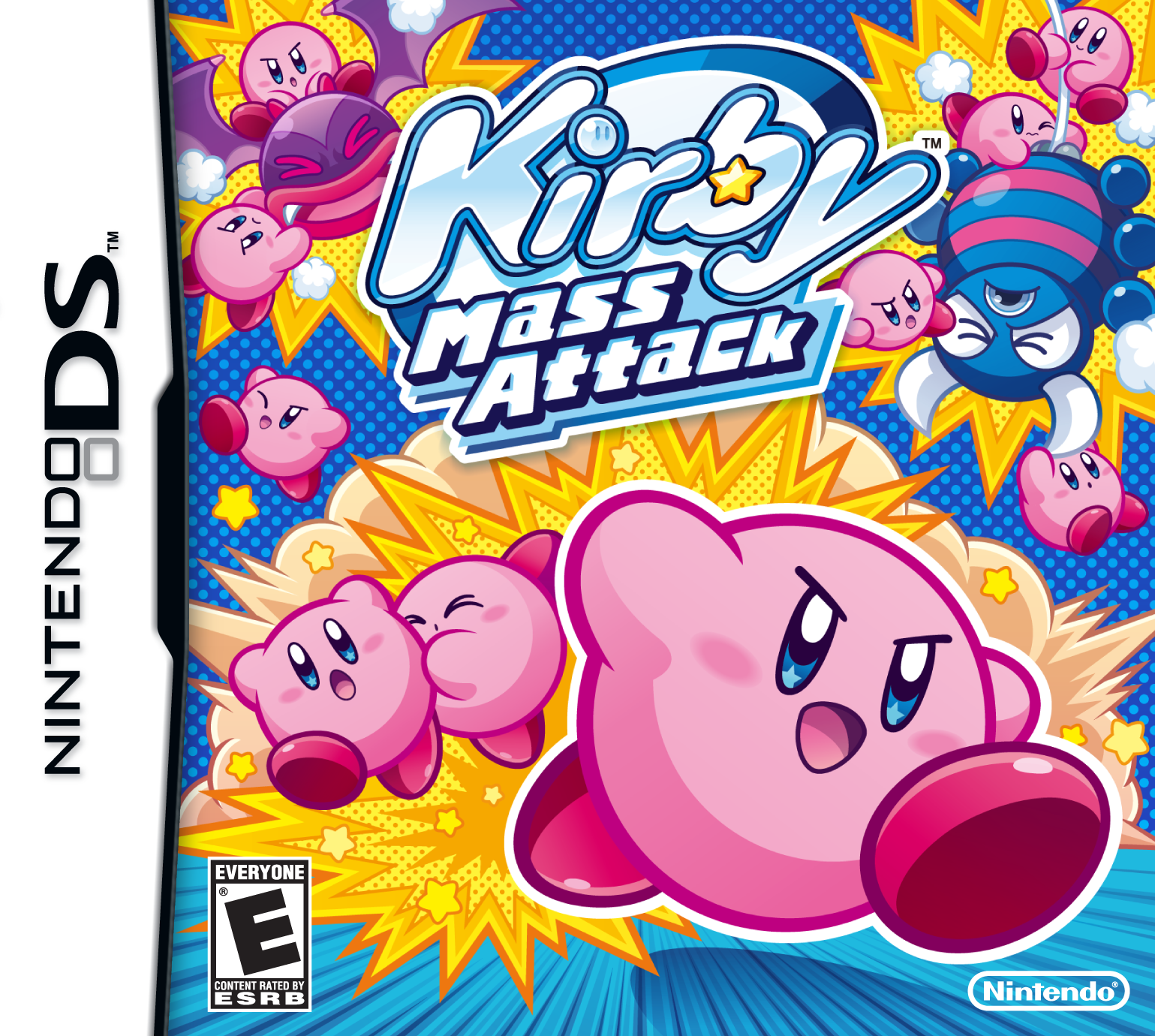
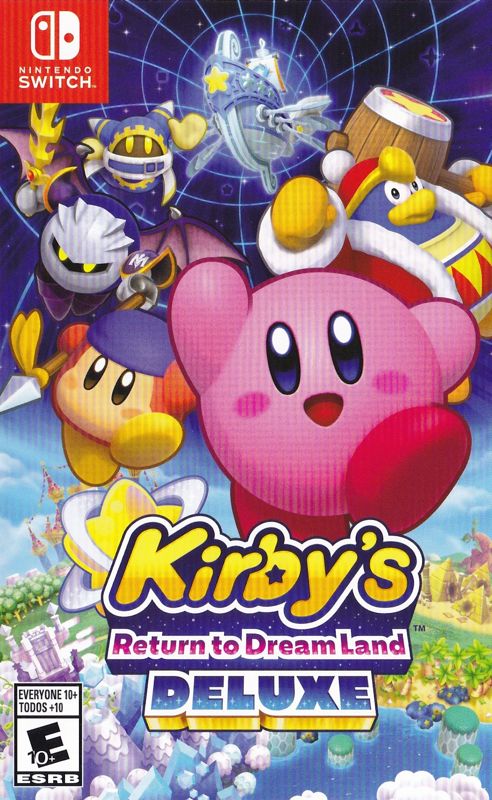
- Classic formula, modern polish: it brought traditional Kirby platforming back to home consoles with confidence.
- Excellent co-op: drop-in four-player play makes it one of the friendliest couch platformers Nintendo ever published.
- Super Abilities: giant, screen-clearing powers add spectacle without overwhelming the core design.
- Series importance: it introduced Magolor and helped define the modern Kirby era that followed.
“A return to roots, but with more friends, more chaos, and more charm.”
One of the safest Kirby games on paper — and one of the most successful because of how well it executes that mission.
The Modern Reset for Mainline Kirby
Kirby’s Return to Dream Land feels important the second you start playing because it understands exactly what kind of game it wants to be. After years of experiments, spin-offs, and detours, this is the title that says: let Kirby be Kirby again — inhale, copy, float, improvise, and clear bright, toy-like stages with effortless rhythm. But it is not just a retreat into safety. The co-op structure, the stronger presentation, the Super Abilities, and the smooth pacing make it feel like a confident relaunch, not a nostalgic fallback.
Game Data
| Title | Kirby’s Return to Dream Land |
| Release Year | 2011 |
| Developer | HAL Laboratory |
| Publisher | Nintendo |
| Platform | Wii |
| Genre | 2.5D side-scrolling platformer |
| Players | 1–4 players (local co-op) |
| Original Format | Wii Optical Disc |
| Core Loop | Inhale, copy, explore, assist, collect, defeat bosses |
Traditional Kirby movement, Copy Abilities, four-player co-op, collectible Energy Spheres, strong boss encounters, and temporary Super Abilities that reshape both combat and the environment.
A mysterious traveler named Magolor crash-lands on Planet Popstar in the Lor Starcutter. Kirby and friends help recover the ship’s scattered parts, only to discover that the journey hides a much bigger threat.
This is the game that firmly re-established the “modern mainline Kirby” template on consoles and introduced Magolor, who quickly became one of the series’ defining modern characters.
Review / Why It Still Plays So Well
The first strength of Return to Dream Land is how instantly understandable it is. Move, float, inhale, copy, survive. There is almost no distance between the player and the fun. That directness has always been one of Kirby’s strengths, but here it feels especially refined. The pace is smooth, the stages are readable, the actions are expressive, and the entire game feels designed to welcome people in rather than hold them at arm’s length.
WHY THE CO-OP MATTERSThe biggest reason this entry stands out from other “solid Kirby games” is the local multiplayer. Four-player co-op could easily have turned the game into visual noise, but instead it becomes part of the appeal. Friends can jump in and out, assist in combat, rescue one another, and generate the kind of cheerful chaos that makes a living room platformer memorable. It is one of the rare Nintendo games where accessibility and social fun genuinely strengthen the core design instead of merely decorating it.
COPY ABILITIES AND SUPER ABILITIESCopy Abilities already make Kirby flexible, but Return to Dream Land gives them real theatrical weight. Sword, Fire, Beam, Whip, Water, Leaf — they are all readable, useful, and immediately fun. Then the Super Abilities arrive and the whole game briefly turns into a spectacle machine. Massive swords, overwhelming fire, giant beams of destruction: these moments could have felt like empty set pieces, but they work because they are spaced carefully and never replace the main platforming for too long.
THE SHAPE OF THE ADVENTUREThe level design is not trying to be punishing or aggressively clever. Its purpose is flow. That means secrets are placed well, collectibles encourage re-runs, and boss encounters feel like punctuation marks instead of walls. Return to Dream Land understands that a Kirby game can be easy and still be satisfying. The joy comes from movement, variety, co-operation, and completion, not merely from pressure.
FINAL VERDICTKirby’s Return to Dream Land remains one of the best “pure Kirby” games because it gets almost everything important right. It does not revolutionize the formula the way some spin-offs do. Instead, it restores, strengthens, and modernizes it. That makes it less flashy as a concept than some neighboring entries, but more enduring as an actual game you want to revisit.
Why Historically Important
Kirby’s Return to Dream Land matters because it is the game that stabilized the modern mainline identity of the series. Earlier Kirby games had already proven how flexible the franchise could be, but this entry showed that the traditional inhale-copy-platform structure still had major life in it, especially on a home console with stronger presentation and local co-op.
It also carries weight as a character and world-building milestone. Magolor, the Lor Starcutter, and the game’s late-story turn became major fixtures in modern Kirby memory. This is not just a mechanically successful entry — it is also one of the narrative and thematic anchor points for the post-2010 era of the series.
Finally, it helped prove that accessible platformers did not need to abandon depth or replay value. In a genre often obsessed with either nostalgia or difficulty, Return to Dream Land made the case for warmth, flexibility, and cooperative generosity as strengths in their own right.
Timeline / Key Milestones
The project lives through a famously extended and reworked development history before finally re-emerging on Wii in finished form.
Kirby’s Return to Dream Land launches on Wii and restores traditional home-console Kirby platforming with four-player local co-op.
Magolor and the Lor Starcutter enter the series and quickly become major parts of Kirby’s modern identity.
The game receives a Wii U eShop version, giving it a second official digital life beyond the original Wii disc.
Kirby’s Return to Dream Land Deluxe arrives on Switch, revisiting the Wii game for a new audience and underlining the original’s lasting reputation.
Where to Play / Collect Today
A curated access point for Kirby collectors, Wii fans, and Nintendo platformer readers: original Wii copies, Deluxe-era comparison items, guides, accessories, and future handmade display pieces — clearly marked as partner links where applicable.
Shop original Wii copies
Browse current Kirby’s Return to Dream Land offers on eBay — ideal for Wii discs, complete-in-box copies, manuals, regional variants, bundles, and collector-grade finds.
- Original Wii physical copies
- Complete-in-box and manual listings
- Condition and price comparison
Paid partner link / Werbung — availability and pricing depend on eBay sellers.
Browse Kirby & Wii finds
Explore Amazon for Kirby items, Nintendo books, Wii accessories, themed collectibles, display supplies, and modern related products around Return to Dream Land.
- Books, accessories, and Kirby extras
- Gift ideas and modern products
- Broader Nintendo-themed browsing
Paid partner link / Werbung — as an Amazon Associate, 4NERDS Gaming may earn from qualifying purchases.
Curated Etsy picks coming soon
Planned for handmade retro art, Kirby-inspired shelf pieces, prints, display objects, and museum-style collectibles that match the 4NERDS archive aesthetic.
- Wall art and display-focused pieces
- Handmade and fan-crafted style items
- Added once the setup is ready
Etsy affiliate integration will be added after the tracking setup is approved and tested.