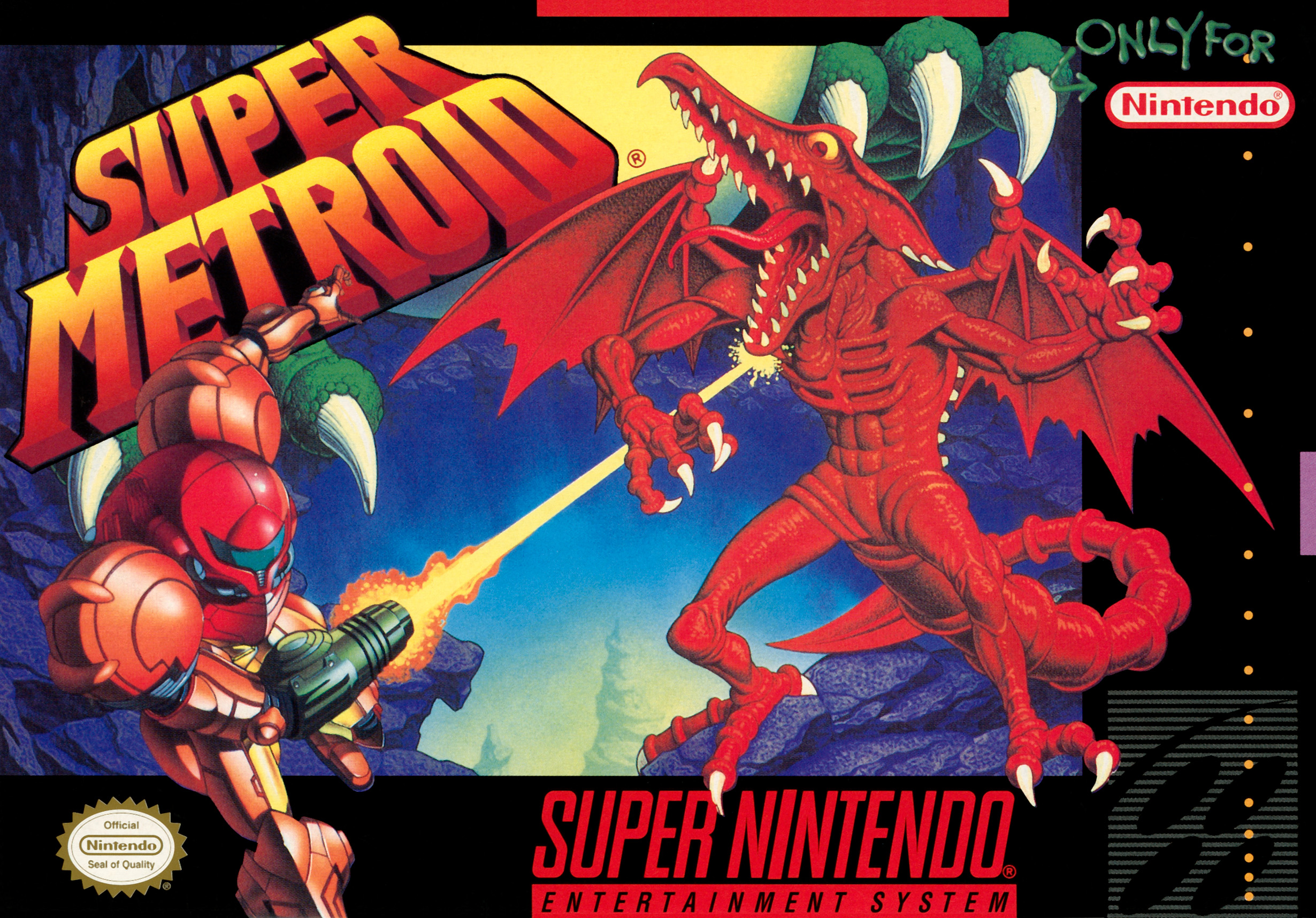
- Portable atmosphere: few early handheld games feel this isolated, hostile, and strangely heavy.
- Series importance: this is where the baby Metroid enters the saga and where Samus’ relationship to the species changes forever.
- Design evolution: new abilities like the Spider Ball, Space Jump, Spring Ball and Spazer helped shape the future feel of 2D Metroid.
- Aged but fascinating: the lack of an in-game map and monochrome visuals make it rougher today, but also uniquely severe.
“A descent into extinction, not a victory lap.”
Metroid II is less elegant than later entries, but its loneliness, mission logic, and ending give it a gravity the series never lost.
The Harshest Early Metroid
Metroid II: Return of Samus is one of the most historically important games in the series, but also one of the easiest to underestimate. Coming after the original Metroid, it shifts the structure away from Zebes and into a clearer mission: descend into SR388, hunt the Metroids, and finish the job. On paper that sounds direct. In practice it becomes a severe, lonely, and often disorienting trek through narrow Game Boy caverns that makes the planet feel more like a burial site than an adventure playground.
Game Data
| Title | Metroid II: Return of Samus |
| Release Year | 1991 |
| Developer | Nintendo R&D1 |
| Publisher | Nintendo |
| Platform | Game Boy |
| Genre | Action-adventure |
| Players | Single-player |
| Original Format | Game Boy cartridge |
| Core Loop | Explore SR388, eliminate Metroids, lower the lava, push deeper, survive the descent |
Nonlinear cavern exploration, Metroid-hunt progression, environmental descent, ability gating, Spider Ball traversal, and a steadily more oppressive tone.
The Galactic Federation sends Samus to SR388 to eradicate the Metroids at their source. She completes the mission, confronts the Queen Metroid, and then leaves with a newly hatched Metroid that imprints on her instead of attacking.
This is the game that introduces the baby Metroid — arguably the single most important emotional pivot in the entire classic 2D Metroid storyline.
Review / What Still Works — And What Feels Brutal
What makes Metroid II striking is how little warmth it has. Even compared with the original, it feels colder and more mission-focused. The Game Boy’s monochrome palette, often treated as a limitation, actually helps the mood. Rooms blur into a hostile underworld of stone, acid, and silence. The world is harder to parse than later Metroid games, but that also means it feels less like a designed playground and more like a real place you are not supposed to be.
THE HUNT STRUCTUREThe game’s central idea is simple and powerful: kill the Metroids in each region and the lava lowers, letting you descend further into SR388. That gives Metroid II a different rhythm from later entries. Instead of merely expanding sideways through a maze, you are conducting a purge. Every step downward feels like commitment. The structure is repetitive in places, but it also gives the game a grim momentum that fits the story perfectly.
WHAT AGEDThere is no point pretending Metroid II is frictionless today. The lack of an in-game map is the biggest obstacle. Distinguishing one room from another can be difficult, and the Game Boy screen vocabulary sometimes makes backtracking feel more punishing than mysterious. Some players will respect that severity; others will simply feel lost. That tension is part of the game’s identity now.
WHY IT STILL LANDSEven with those rough edges, Metroid II carries enormous power because the mission keeps narrowing toward its emotional reversal. Up to a point, this is a game about extermination. Then it suddenly becomes a game about hesitation, recognition, and responsibility. The baby Metroid ending is so important because it redefines what Samus’ journey means. Without it, Super Metroid does not hit the same way.
FINAL VERDICTMetroid II: Return of Samus is not the easiest classic to recommend as a first Metroid, but it is one of the most rewarding to understand in context. It is harsher, stranger, and less readable than the titles that followed, yet its mood and narrative consequences are absolutely central to the series. As a play experience it shows its age. As a piece of Metroid history, it is indispensable.
Why Historically Important
Metroid II matters because it transforms the series from a cool premise into a saga with emotional consequence. The first game establishes Samus, Zebes, and the basic pattern of exploration. This sequel introduces the mission to SR388, the extermination of the Metroids, and the hatchling that changes everything. That means it is not just “the second one.” It is the narrative hinge for the rest of the 2D series.
It also pushes the design language forward. New movement and traversal ideas, especially the Spider Ball, Space Jump and Spring Ball, help bridge the gap between the rougher 1986 original and the more confident sophistication of Super Metroid. Even when individual rooms are less elegant than later games, you can see the series trying to become something larger and more coherent.
Most importantly, Metroid II gives the franchise one of its defining emotional images: Samus choosing not to kill the hatchling. That single decision echoes forward into Super Metroid, Metroid Fusion, and even the broader way fans understand Samus herself. For a monochrome handheld sequel, its legacy is enormous.
Timeline / Key Milestones
Metroid II: Return of Samus arrives on Game Boy and sends Samus to SR388 on her mission to eradicate the Metroids.
The game continues its rollout beyond North America, helping define Metroid’s early handheld identity internationally.
The baby Metroid ending becomes the emotional launching point for Super Metroid on SNES.
Nintendo rereleases the game digitally, giving a new generation a way to experience the original SR388 mission.
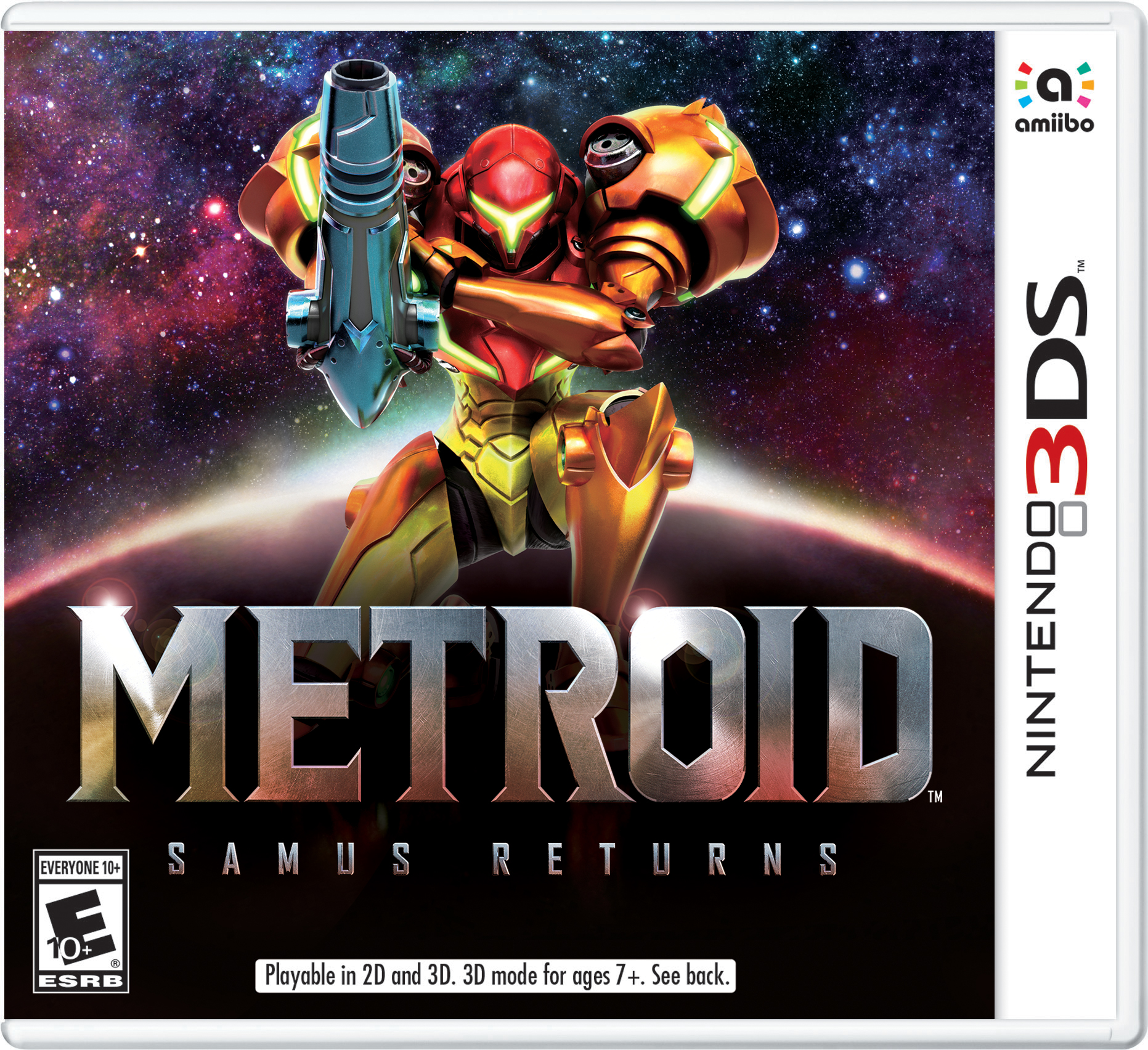
Metroid: Samus Returns reimagines and expands the game on Nintendo 3DS, bringing the second chapter of the saga into a modern framework.
The original Game Boy release joins Nintendo’s Game Boy Classics lineup, making it one of the easier legacy Metroid titles to access today.
4NERDS Collector Marketplace
A curated access point for players, collectors, and Metroid fans: original Game Boy cartridges, boxed copies, manuals, guides, modern related items, and future handmade display pieces — clearly marked as partner links where applicable.
Shop Metroid II copies
Browse current Metroid II: Return of Samus offers on eBay — useful for loose Game Boy cartridges, boxed editions, manuals, complete-in-box listings, and collector-grade finds.
- Original Game Boy cartridges
- Boxed versions, manuals and CIB listings
- Condition and price comparison
Paid partner link / Werbung — availability and pricing depend on eBay sellers.
Browse related Metroid finds
Explore Amazon for Metroid-related items, books, guides, Nintendo accessories, display products, posters, and broader Samus-themed collectibles.
- Guides, books and accessories
- Modern Metroid-related products
- Broader Nintendo sci-fi browsing
Paid partner link / Werbung — as an Amazon Associate, 4NERDS Gaming may earn from qualifying purchases.
Curated Etsy picks coming soon
Planned for handmade sci-fi retro art, Samus display pieces, Metroid-style prints, shelf objects, and museum-style collectibles that match the 4NERDS archive aesthetic.
- Wall art and display-focused pieces
- Handmade and fan-crafted style items
- Added once the setup is ready
Etsy affiliate integration will be added after the tracking setup is approved and tested.
Transparency note: 4NERDS Gaming does not sell these items directly. External shops, prices, stock, shipping terms, and seller conditions may change at any time. eBay and Amazon links in this section are sponsored / paid partner links. Etsy is currently shown as an upcoming integration and does not link out yet.