The Story of Chess Computers
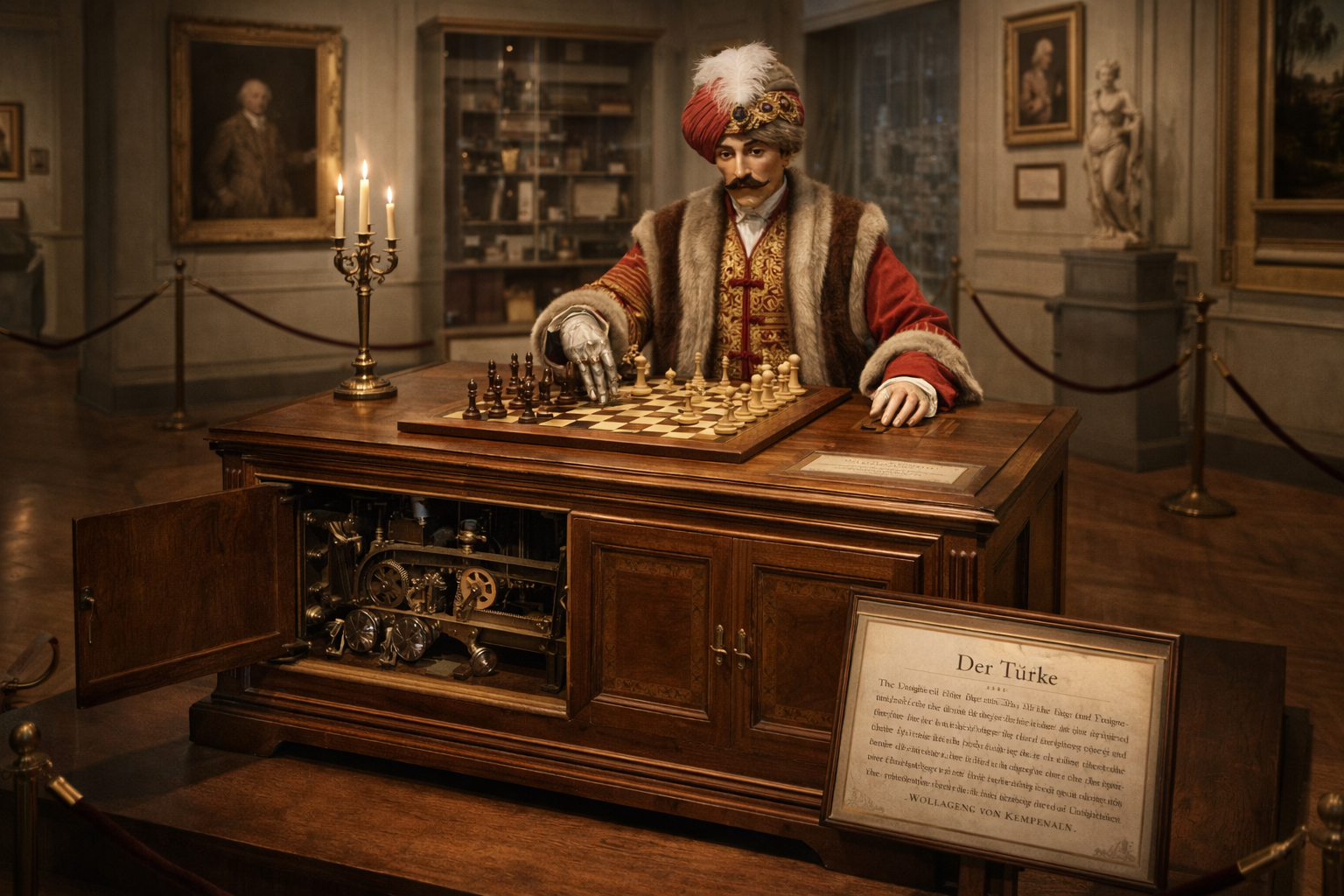
From the famous “Mechanical Turk” illusion (c.1770) to real electromechanical endgame machines, to software engines that calculate millions of positions per second — and finally to modern systems that learn through self-play. This isn’t just a timeline of years. It’s a museum walk through what upgraded: illusion → sensing → rules encoded → search → heuristics → specialized hardware → databases → neural nets.
TL;DR – What you’ll get
1770 → todayEach milestone explains the core upgrade: how the machine “knows” the board, how it chooses moves, and why that step mattered. Click the Tech-Leap chips to open a mini lexicon window (no new page). Click Read Article to open a deep-dive “museum dossier” — a true lexicon entry per milestone.
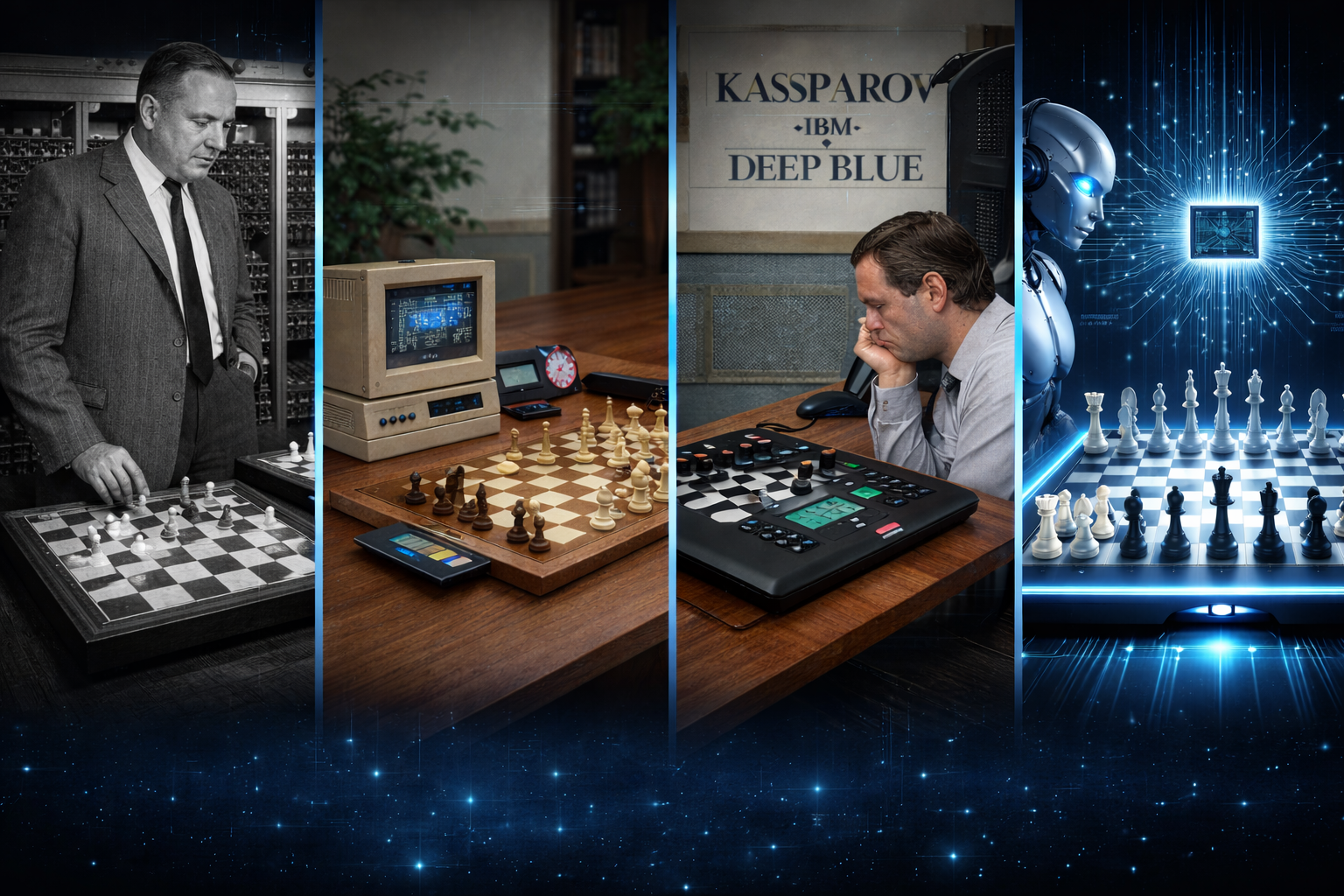
How to read this museum walk
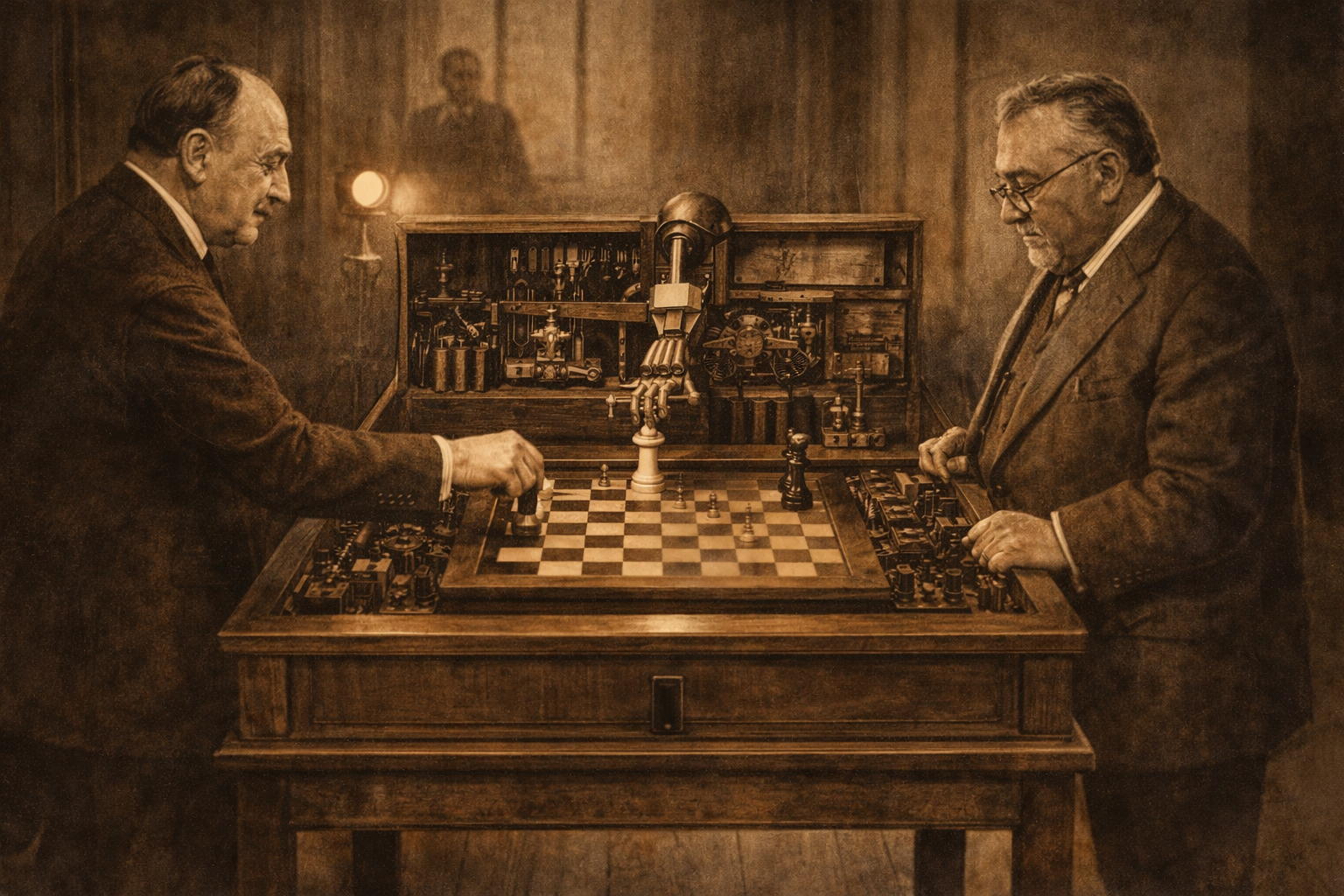
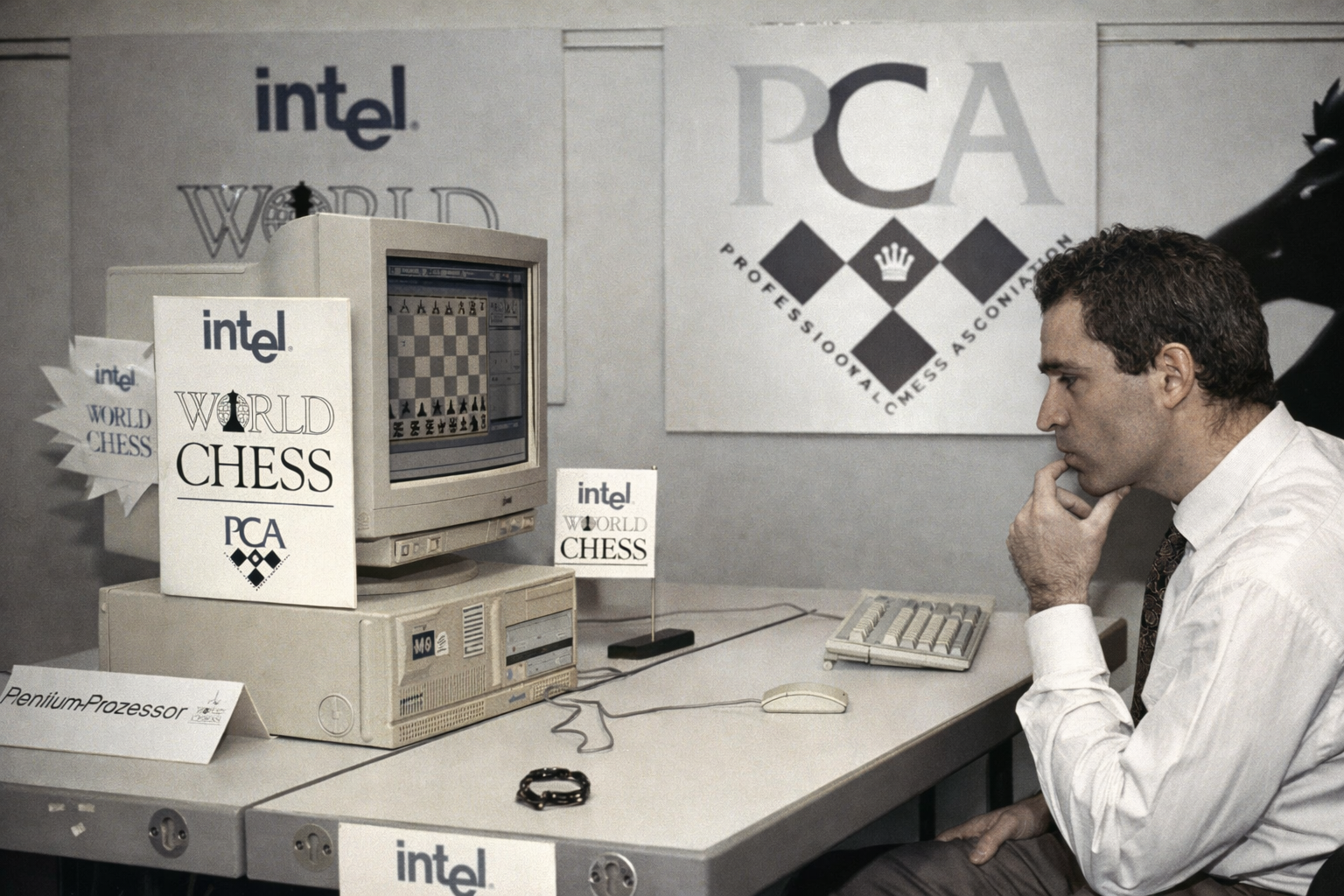
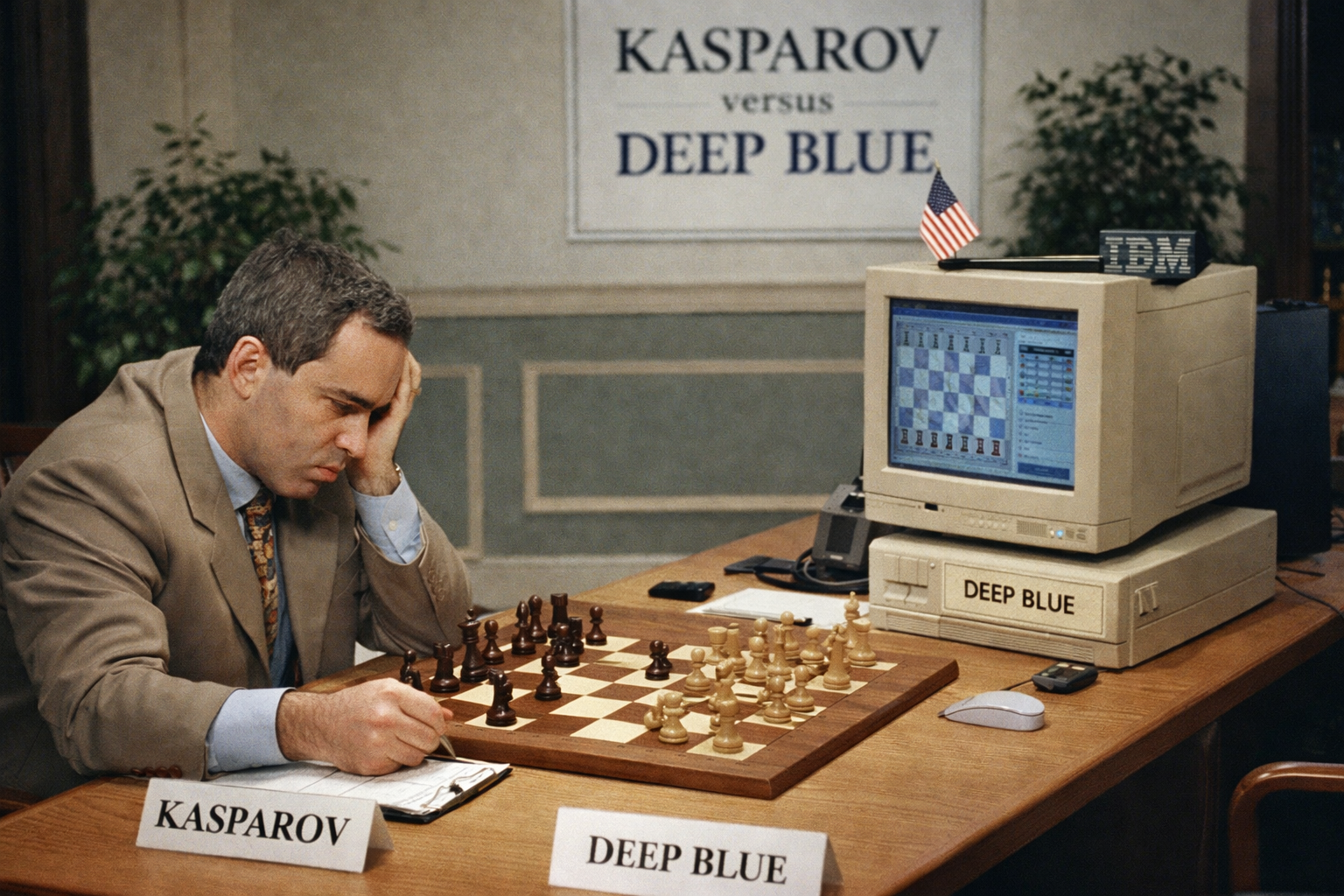
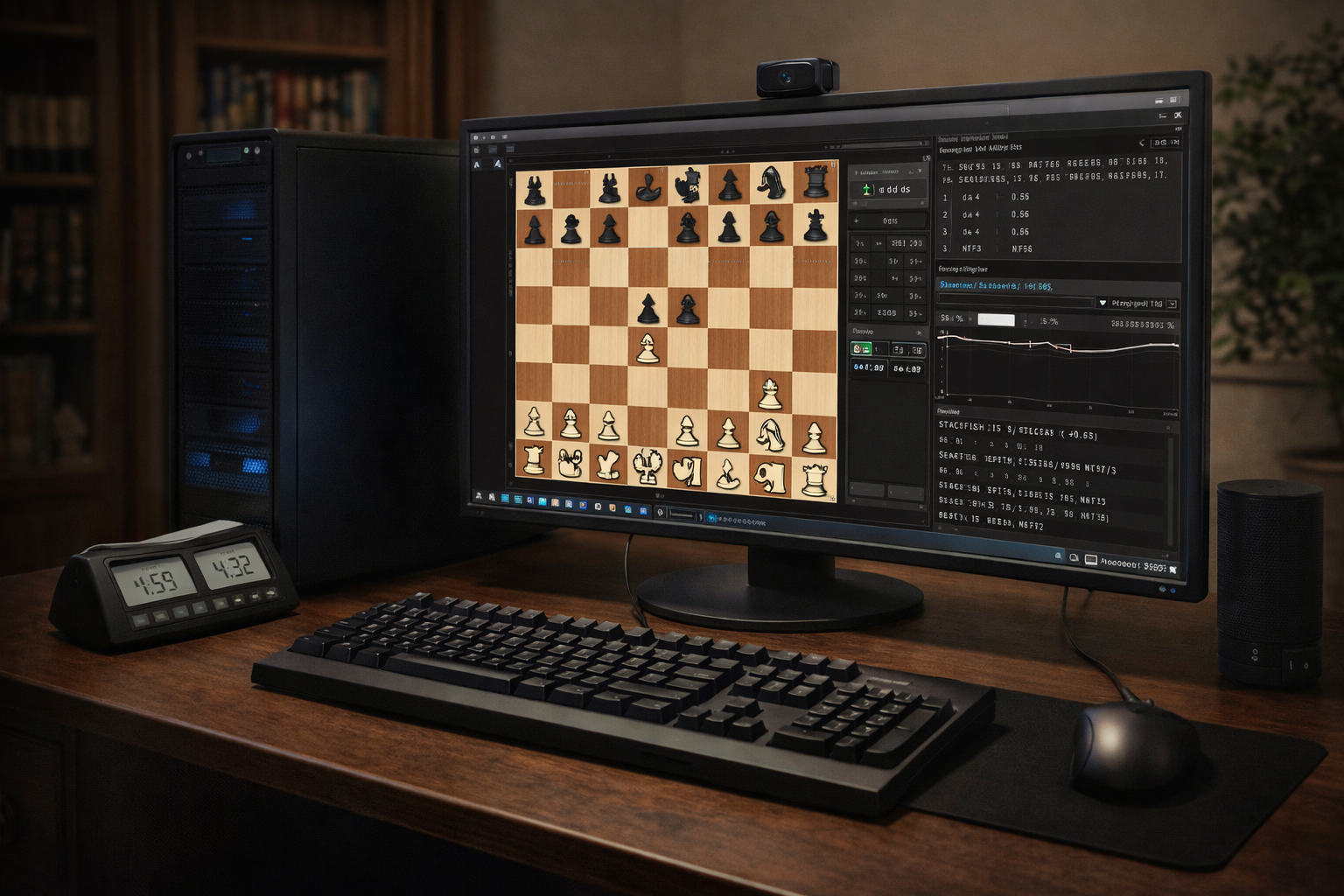
Chess is a perfect “AI mirror” because it has clear rules and measurable strength. But every era solves a different problem: the Turk is theater (“the machine plays!”), Torres proves rules can be mechanized, early programs prove that “thinking” can be approximated by search, dedicated machines industrialize chess strength, supercomputers turn calculation into a spectacle, and modern engines blend search + learned evaluation into something that feels uncannily strategic.
Timeline & Milestones
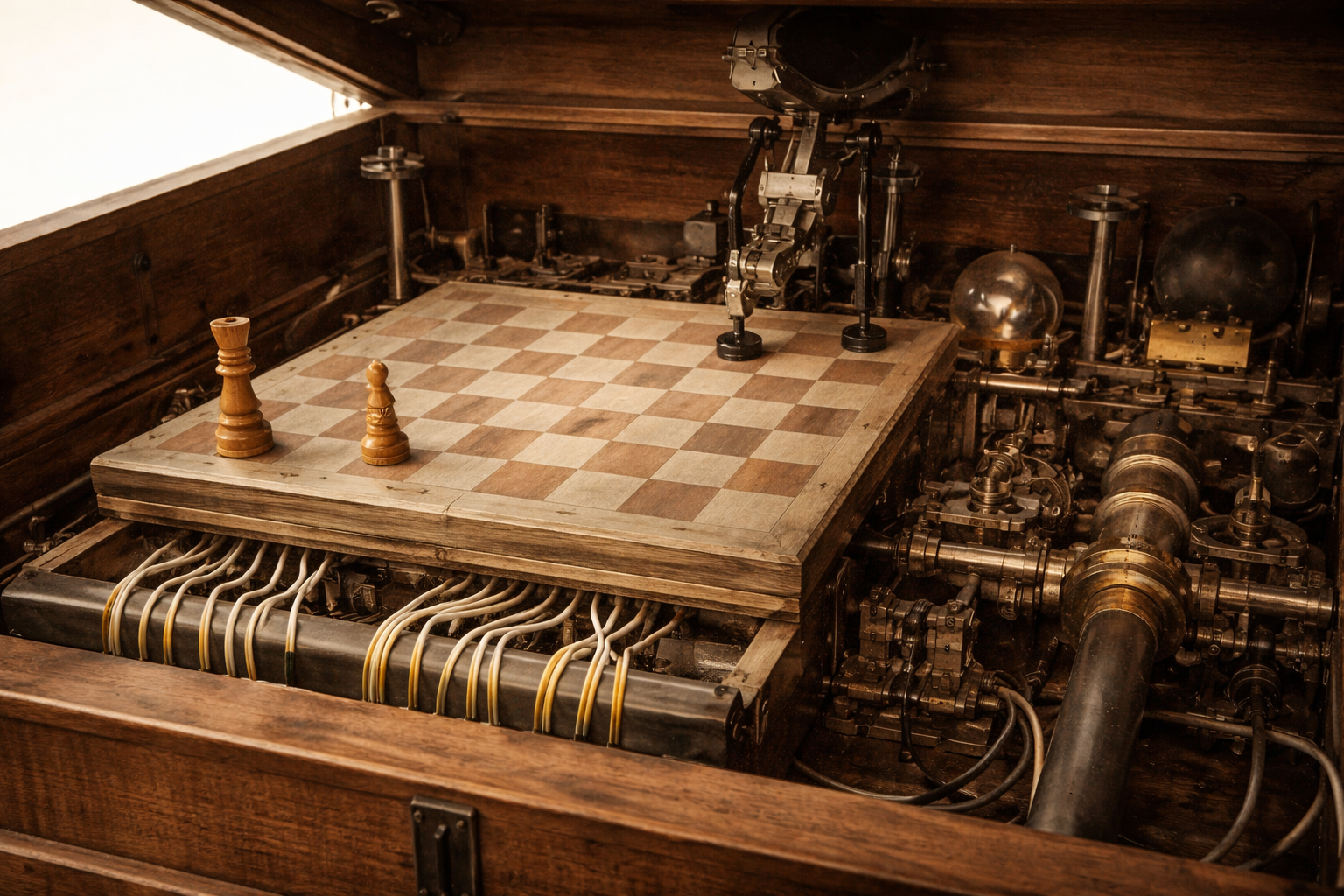
Think of this as a curated exhibit. Each card highlights the “upgrade”. Click images for the image viewer — click Tech-Leap chips for the mini lexicon — and click Read Article for the full deep dive.

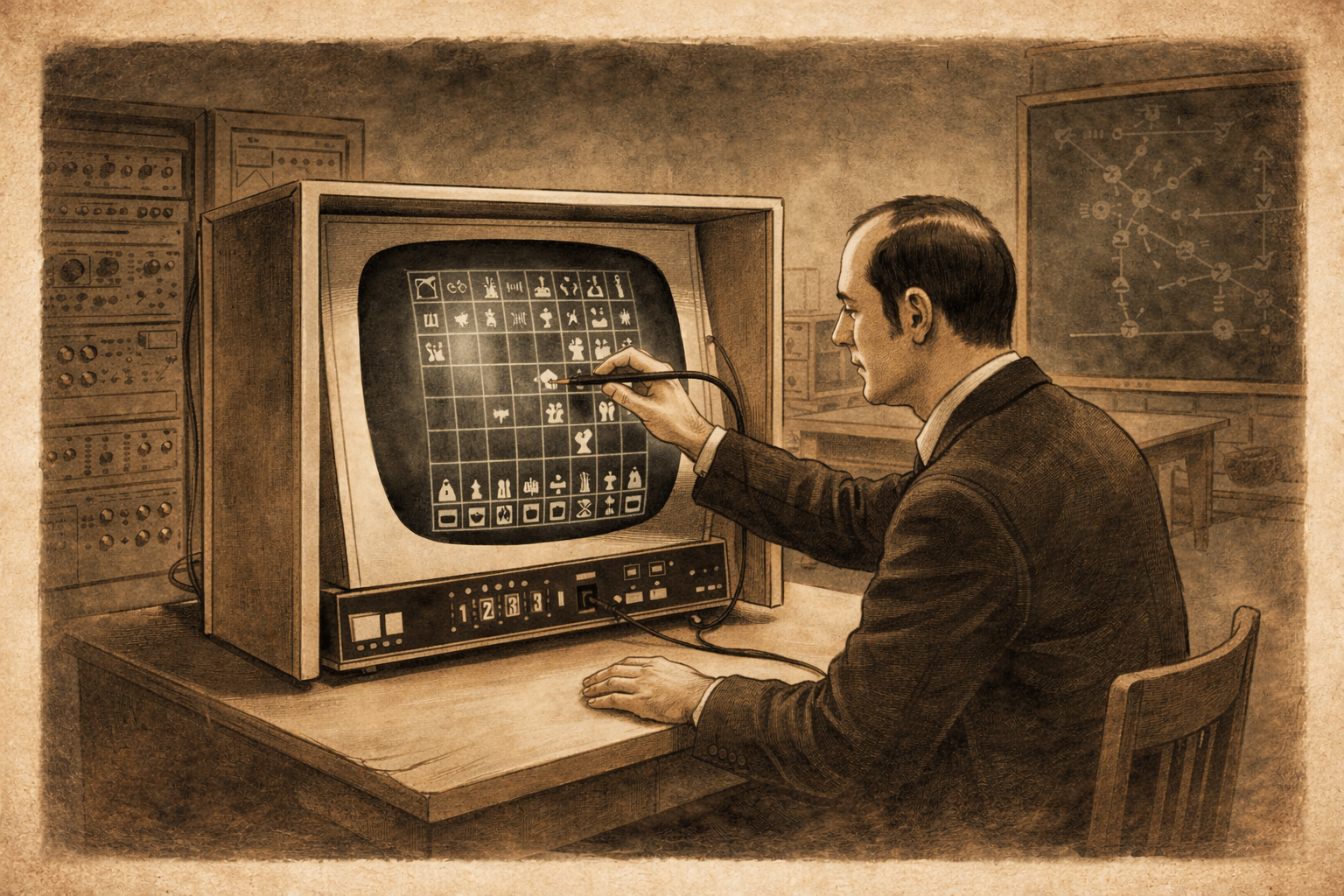
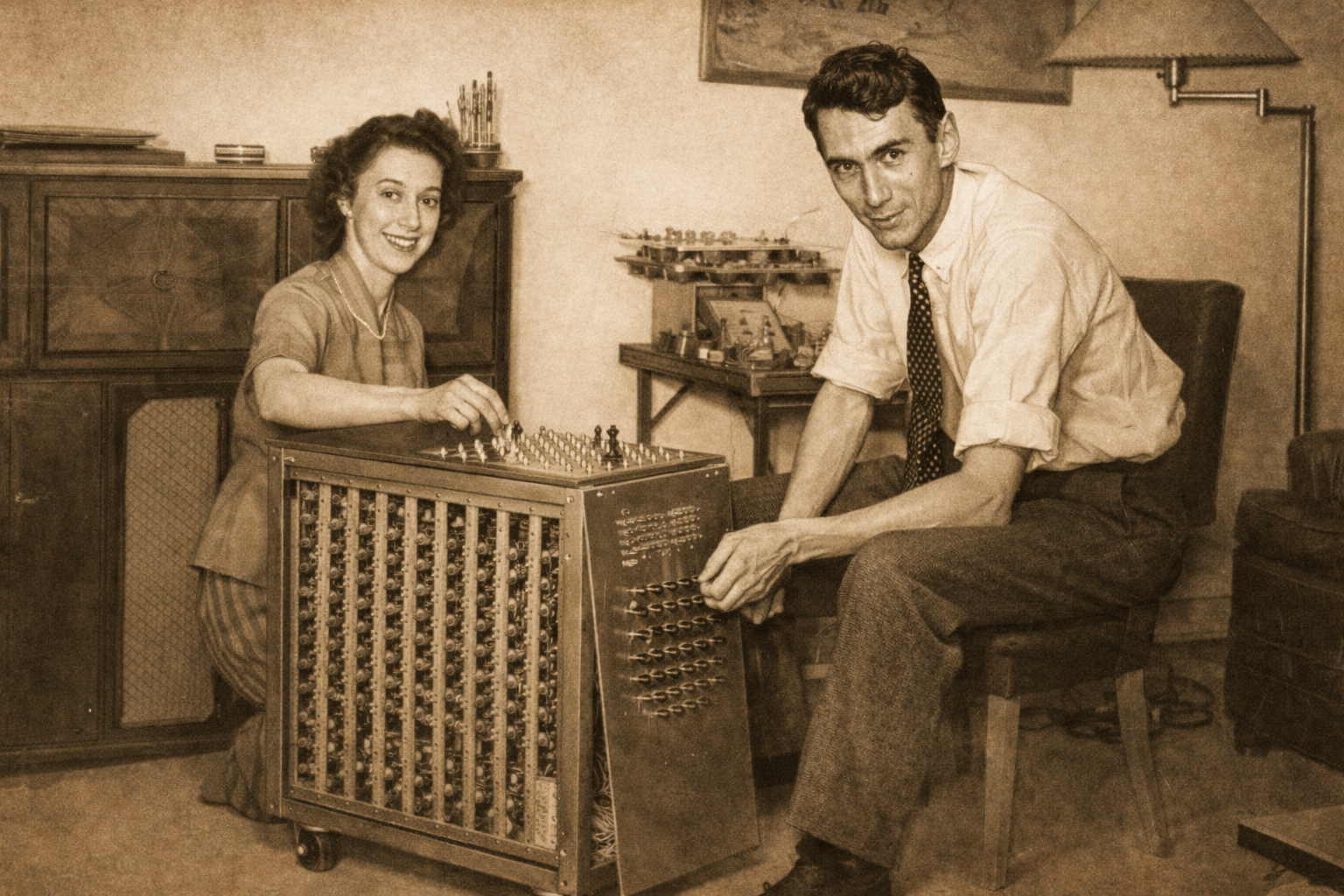
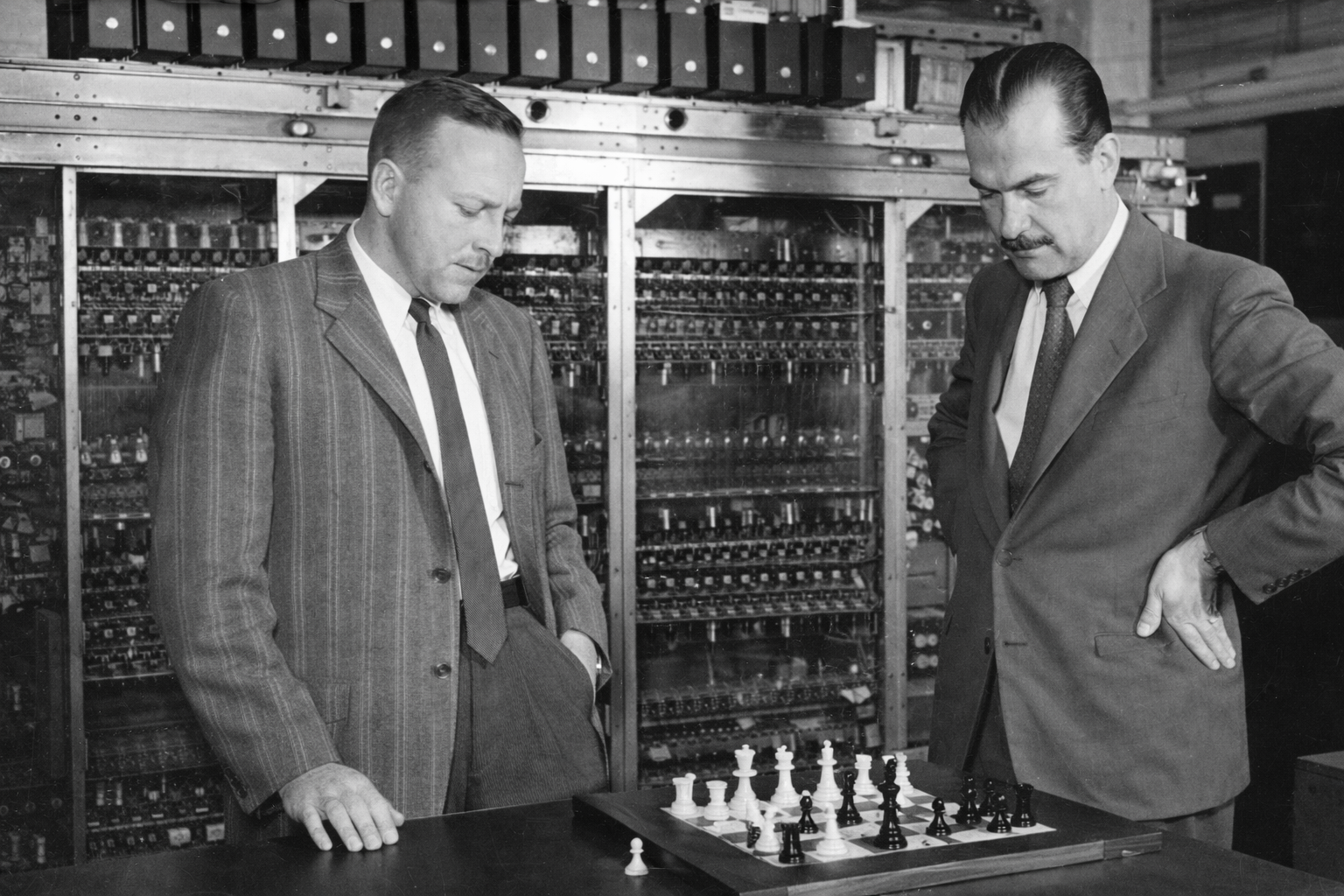

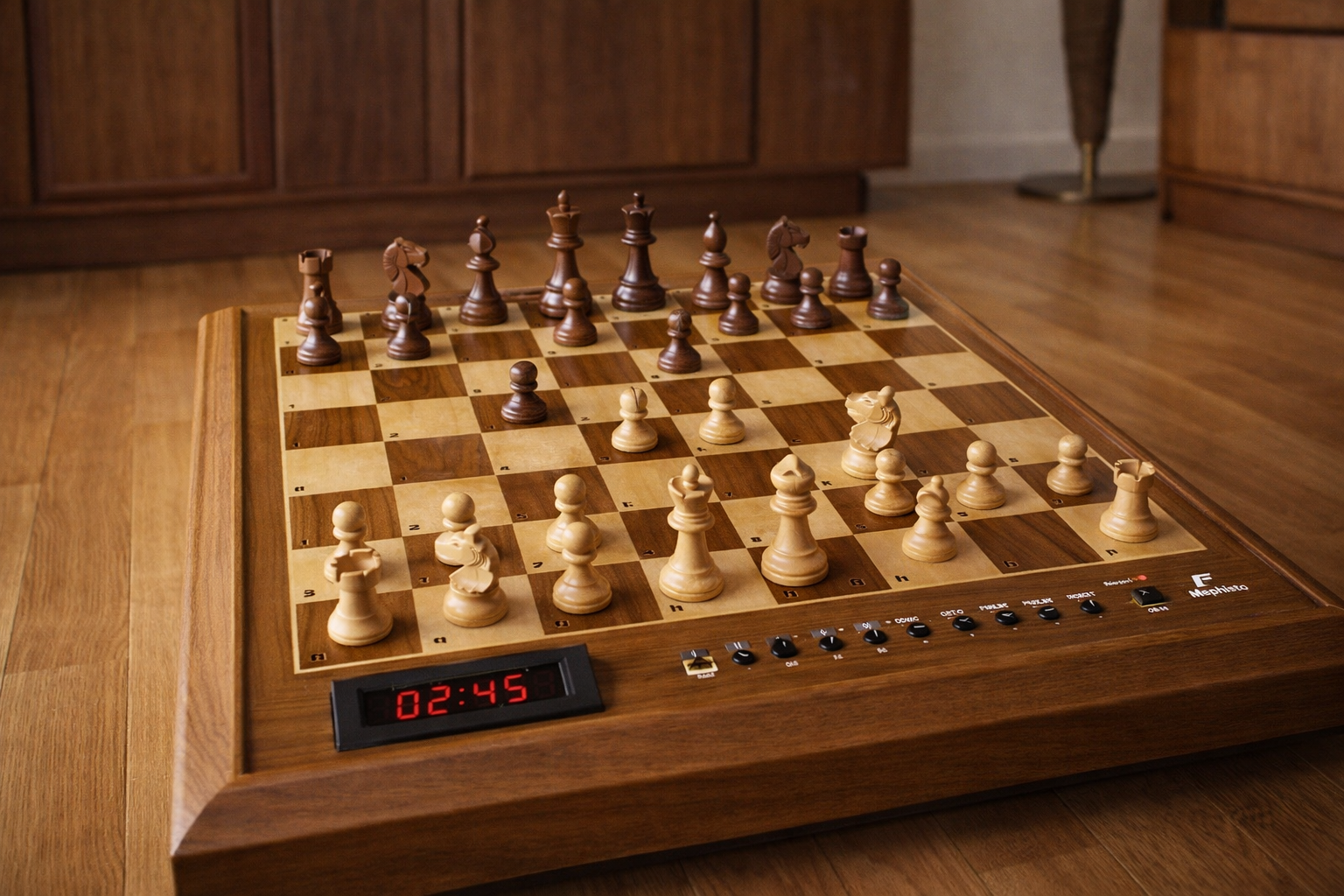
Museum guide tip: make “Tech-Leaps” clickable everywhere
The mini lexicon is perfect for “museum label” details without sending visitors to a new page. Add chips on cards, section plaques, captions — anywhere a curious reader might ask: “Okay, but what does that actually mean?”