History – ChessComputer

Chess Computers – From the Turk (c.1770) to Modern AI | 4NERDS

The Story of Chess Computers

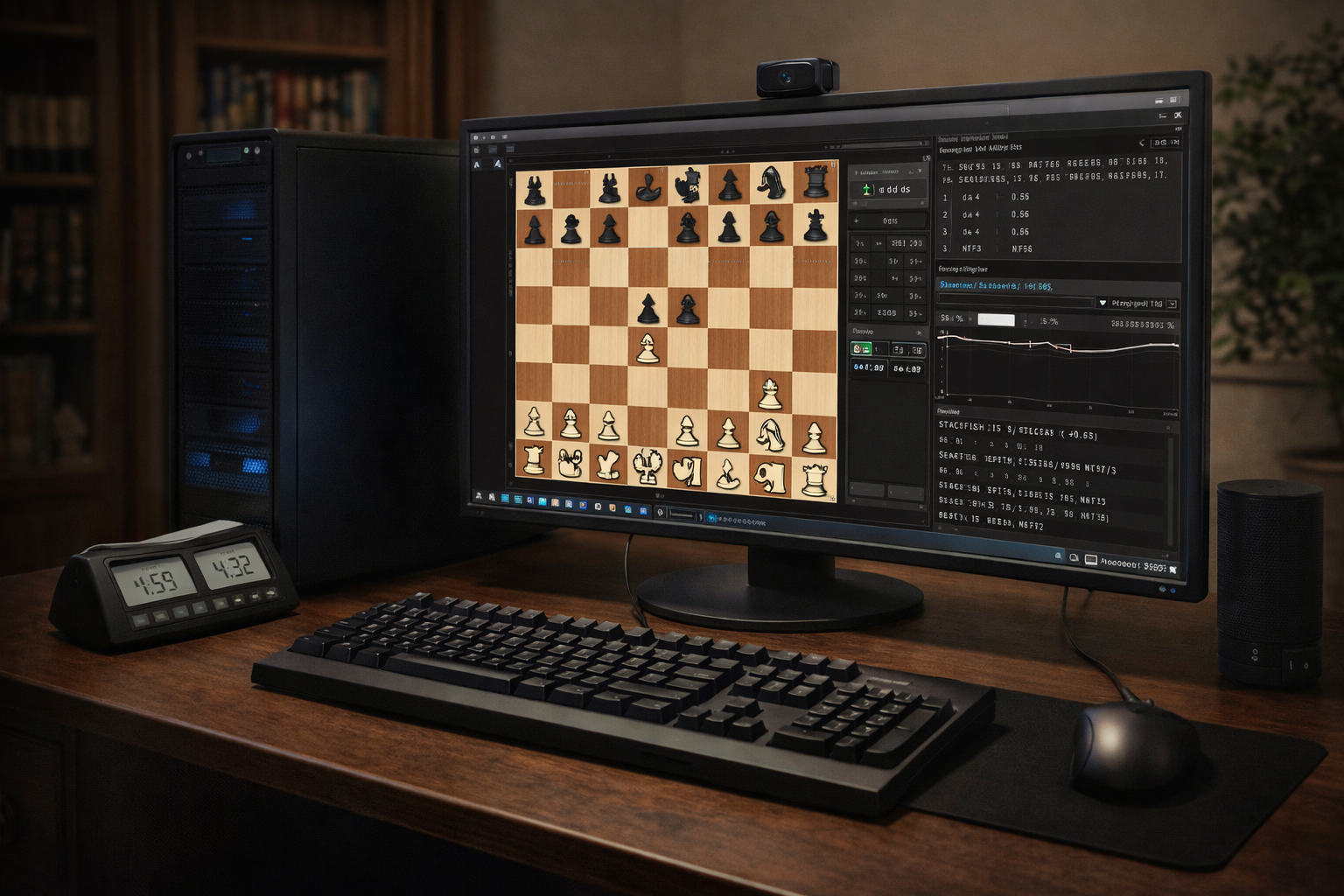
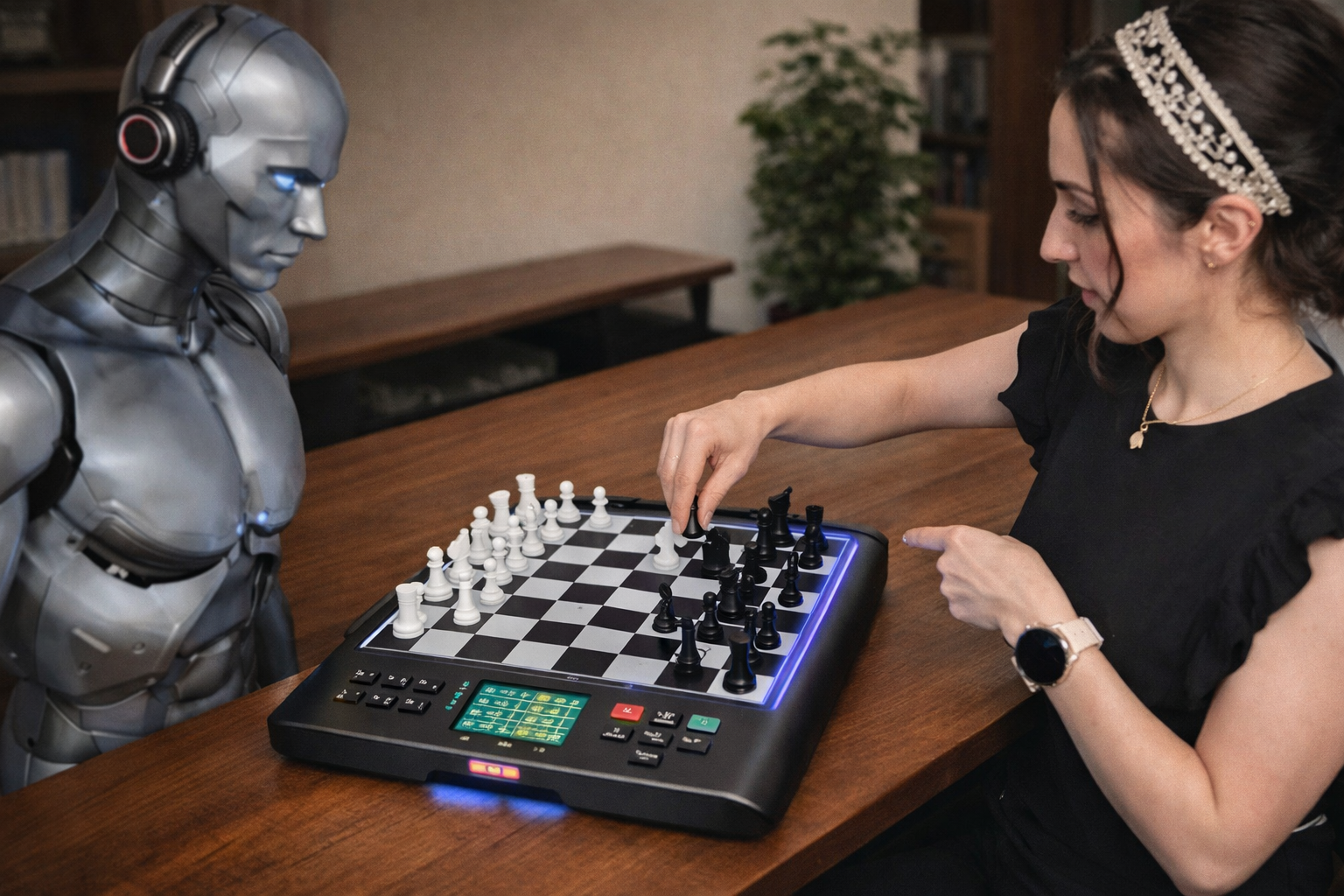
From the famous “Mechanical Turk” illusion (c.1770) to real electromechanical endgame machines, to software engines that calculate millions of positions per second — and finally to modern systems that learn through self-play. This isn’t just a timeline of years. It’s a museum walk through what upgraded: illusion → sensing → rules encoded → search → heuristics → specialized hardware → databases → neural nets.

TL;DR – What you’ll get

1770 → today

Each milestone explains the core upgrade: how the machine “knows” the board, how it chooses moves, and why that step mattered. Click the Tech-Leap chips to open a mini lexicon window (no new page). Click Read Article to open a deep-dive “museum dossier” — a true lexicon entry per milestone.
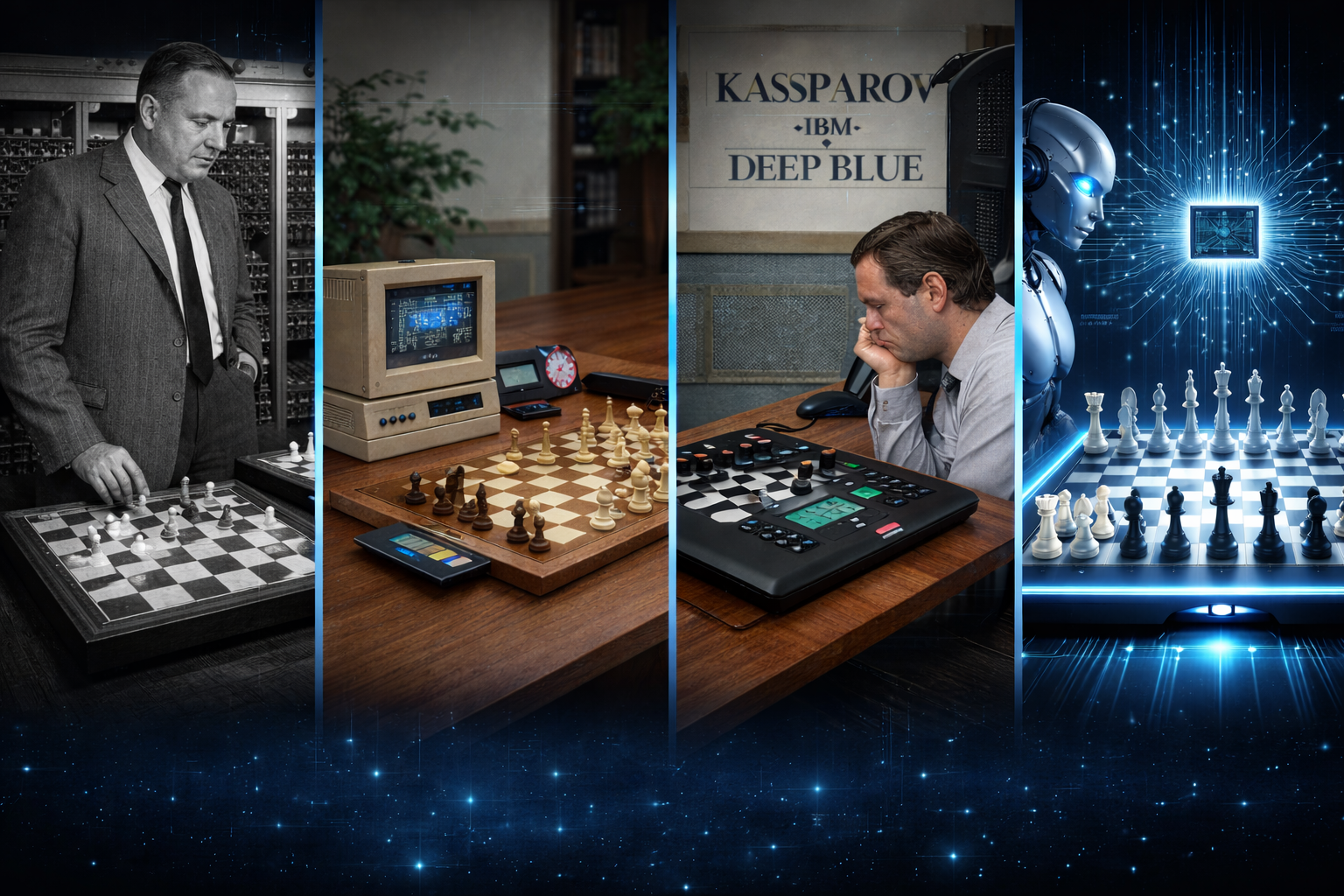
Chess computers timeline hero (placeholder)
One line summary Illusion → electromechanical logic → software search → brute-force hardware → self-play AI
↻ Reset
0 visible 💡 Suggest

How to read this museum walk

Chess is a perfect “AI mirror” because it has clear rules and measurable strength. But every era solves a different problem: the Turk is theater (“the machine plays!”), Torres proves rules can be mechanized, early programs prove that “thinking” can be approximated by search, dedicated machines industrialize chess strength, supercomputers turn calculation into a spectacle, and modern engines blend search + learned evaluation into something that feels uncannily strategic.

♟️ How does it sense the board? 🧠 How does it choose a move? ⚙️ How much hardware does it need? ✨ What’s the key upgrade?

Timeline & Milestones

Think of this as a curated exhibit. Each card highlights the “upgrade”. Click images for the image viewer — click Tech-Leap chips for the mini lexicon — and click Read Article for the full deep dive.

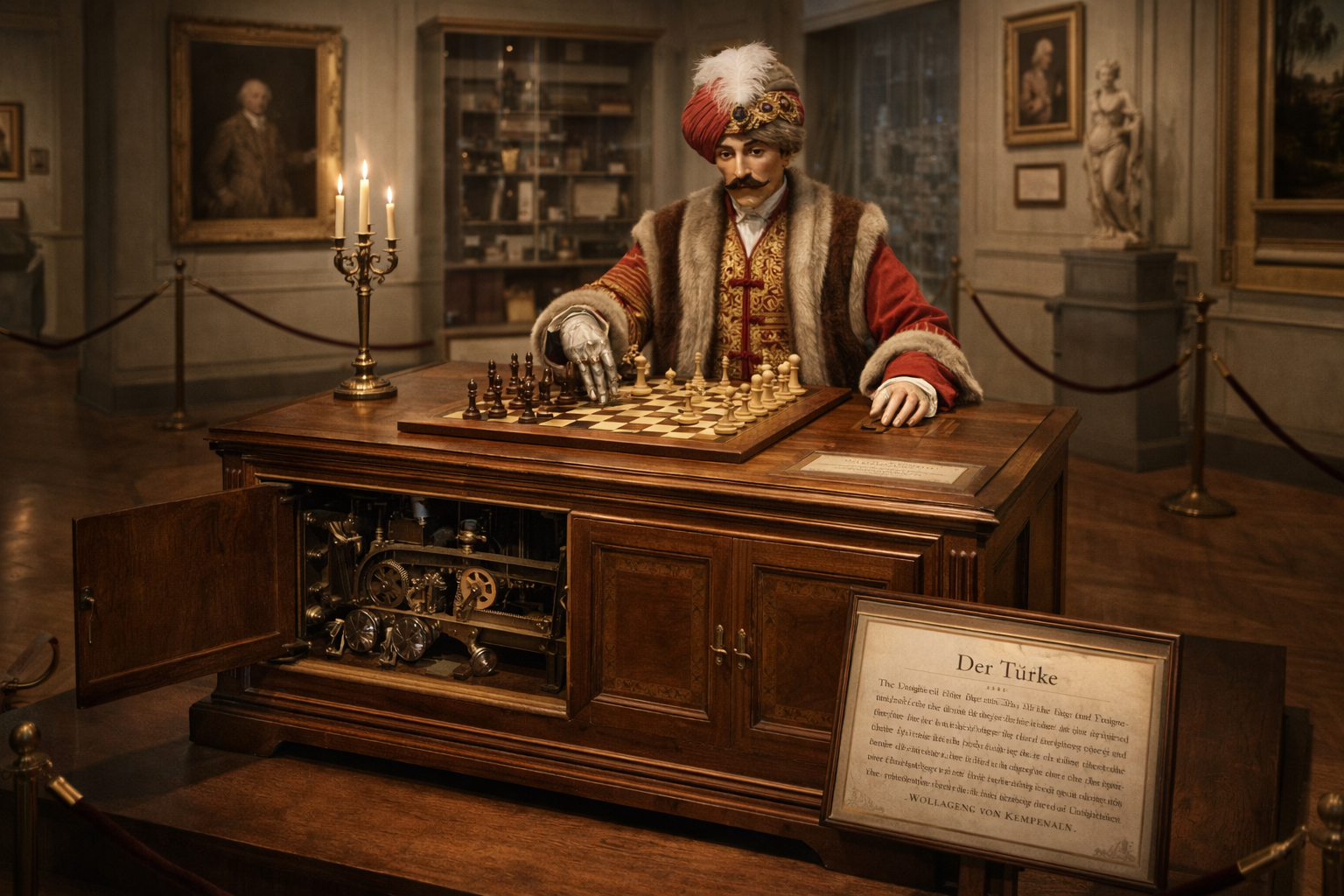
Mechanical Turk (placeholder)
c.1770
Automata Illusion Showmanship

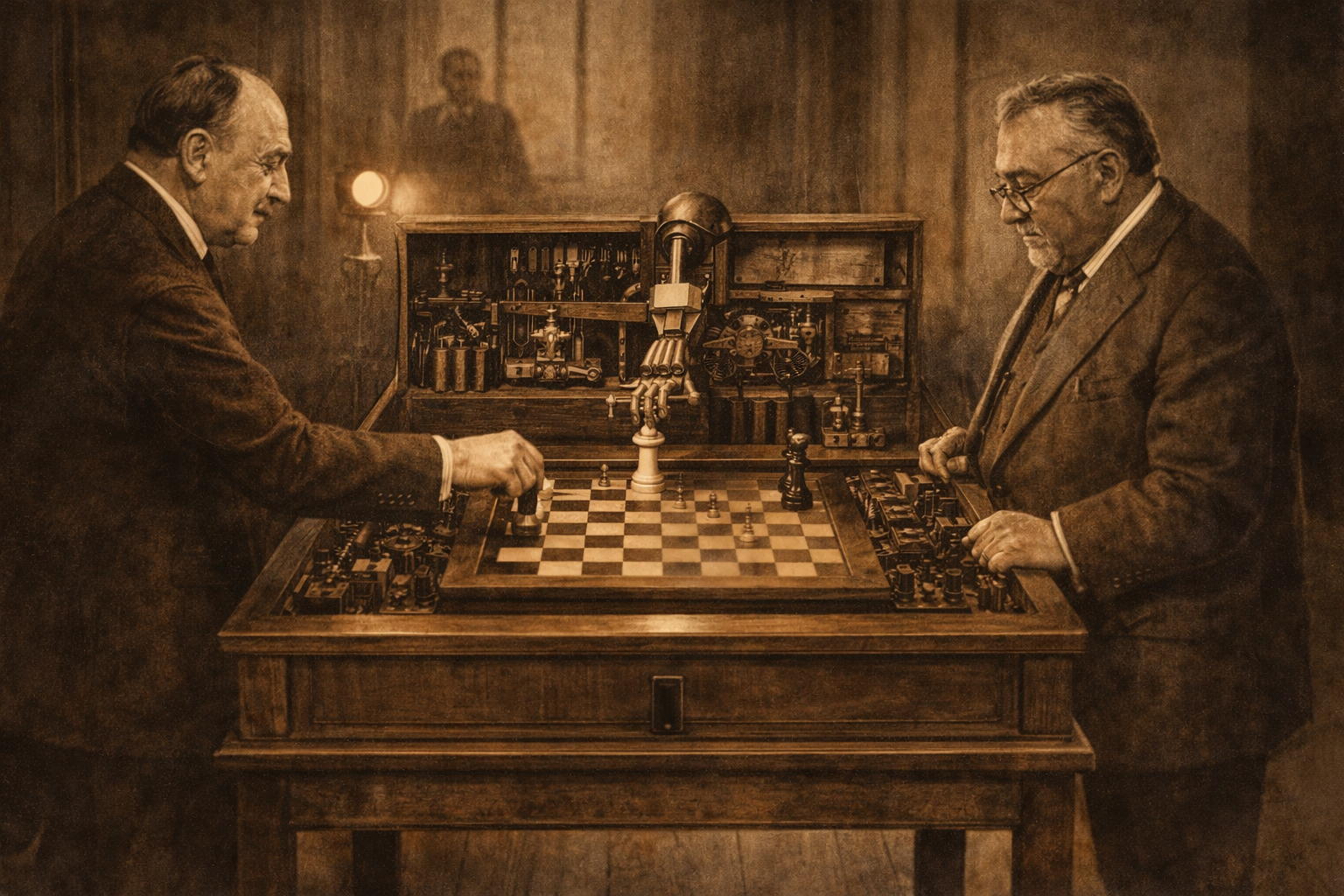
The “Mechanical Turk”

Chess begins as stage magic — and that matters.
What changed

The Turk doesn’t introduce computation — it introduces a new cultural idea: people want to believe machines can think. That hunger becomes rocket fuel for every later “machine intelligence” headline.

Read Starred
Turk exhibition scene (placeholder)
1804–1850s
Automata Exhibitions Myth

Myth becomes infrastructure

If you can sell the idea, the future tries to build it.
What changed

The “machine chess player” becomes a recurring story template: demonstrations, claims, skeptics, and the irresistible question: “How does it decide?”

Read Starred
El Ajedrecista (placeholder)
1912–1914
Electromechanical Rule-based Endgame

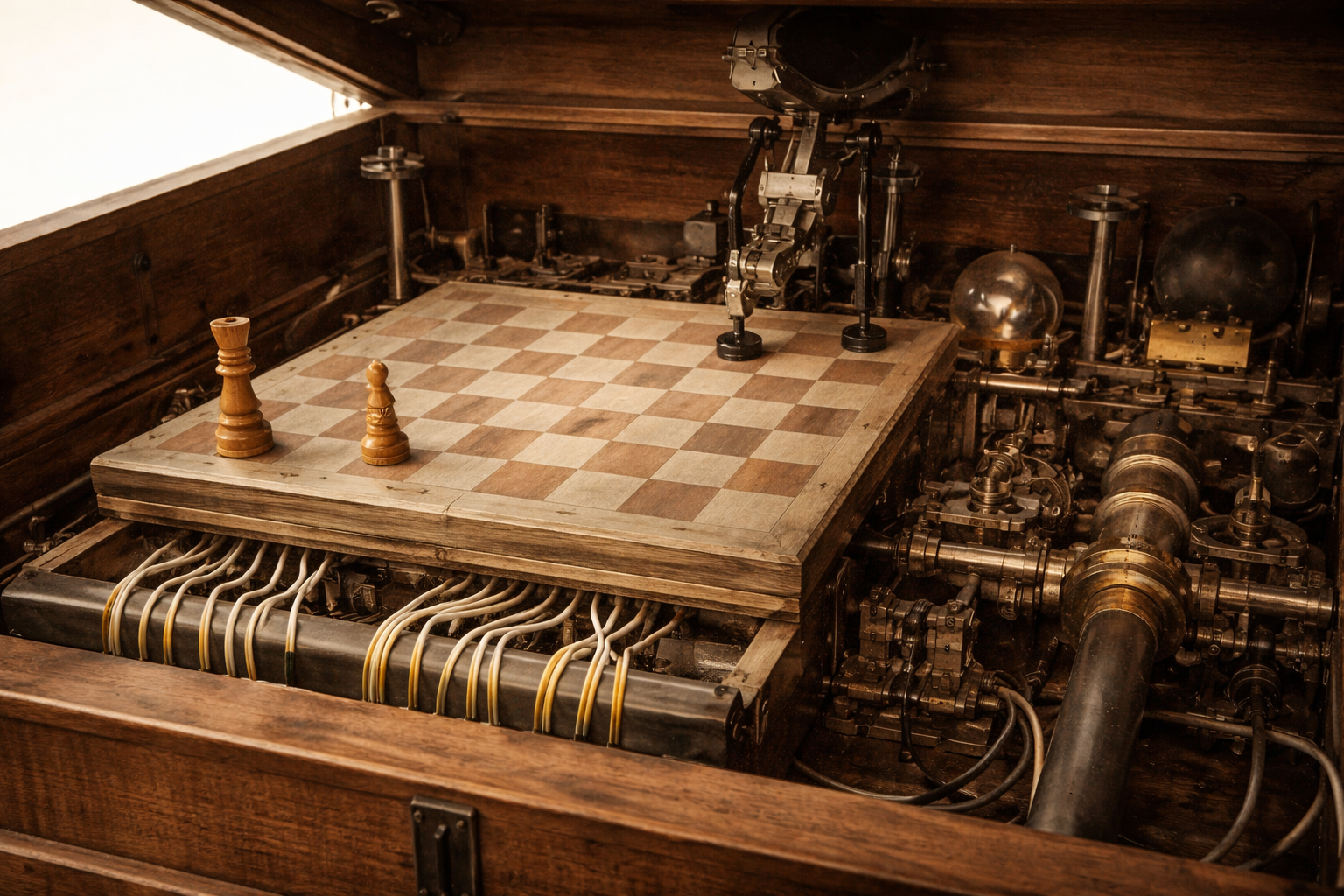
El Ajedrecista

The first “no tricks” milestone: a machine actually plays (a restricted game).
What changed

Instead of hiding a person, the system encodes a decision procedure. It’s not general chess — it’s a focused domain where the machine can be provably competent. That’s a modern engineering pattern: solve a smaller game perfectly, then expand.

Read Starred
Electromechanical components (placeholder)
1920s
Electromechanical Refinement Reliability

When a prototype becomes a pattern

The quiet upgrade: fewer surprises, fewer failures, more confidence.
What changed

Reliability is the difference between “historic artifact” and “repeatable technology.” It foreshadows the later story of chess engines: the best ideas win when they can run forever.

Read Starred
Turochamp paper machine (placeholder)
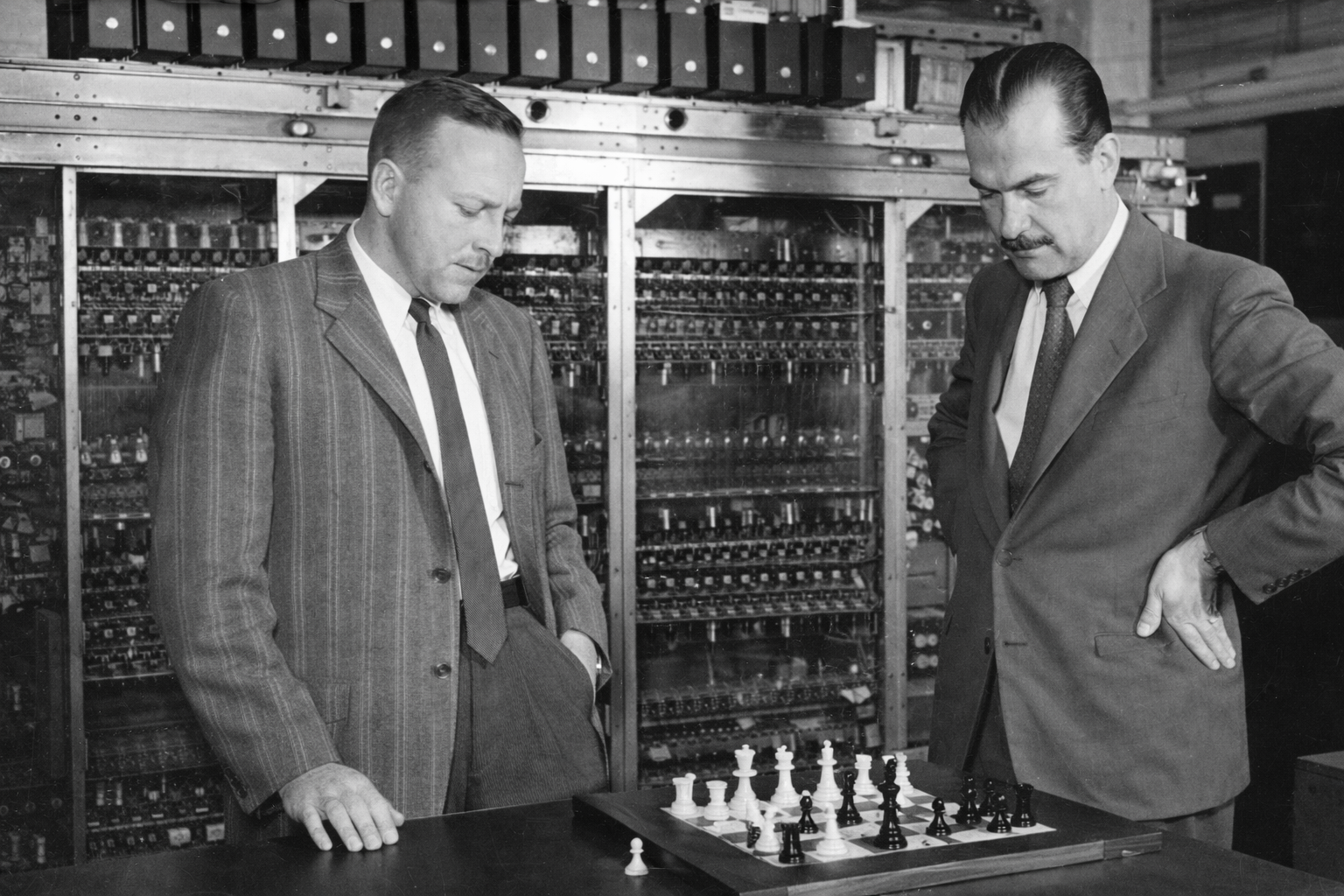
1948
Early software Evaluation Lookahead

Turochamp

The mind moves from gears to scoring functions.
What changed

The key move is conceptual: define “good chess” as an evaluation function, then select moves by looking ahead. Even if it’s weak by today’s standards, it’s the blueprint: calculate → score → choose.

Read Starred
Early mainframe era (placeholder)
1950s
Early software Representation Search

From idea to implementation

Now the hard problems show up: legality, speed, and combinatorial explosion.
What changed

Chess explodes in branching factor. You can’t “just search everything.” So the field invents core techniques: move generation, pruning, and better data structures.

Read Starred
Terminal chess (placeholder)
1960s
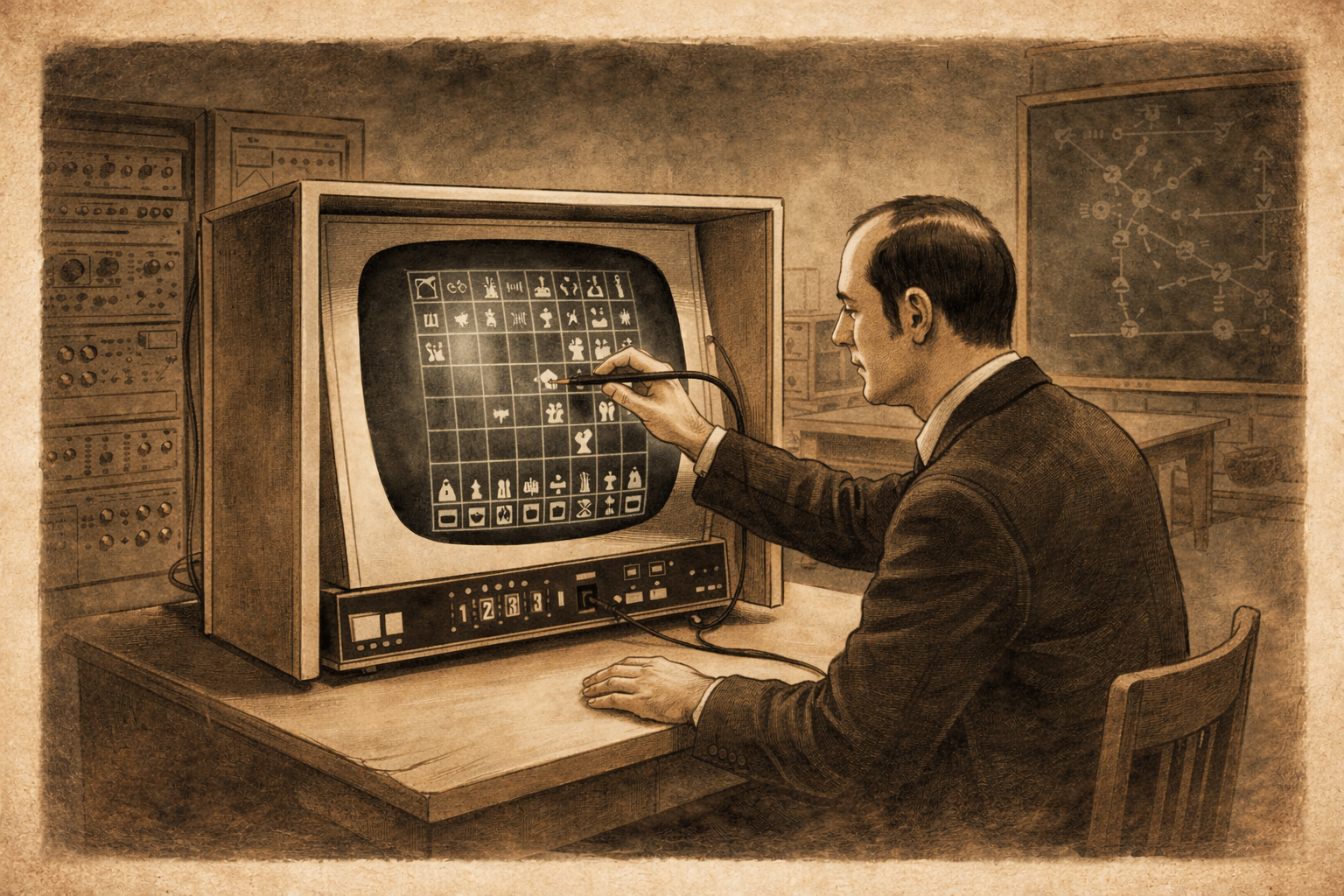
Early software Heuristics Search discipline

Heuristics enter the chat

The program stops being random — it starts having “preferences.”
What changed

Early engines learn a practical truth: chess strength is not just depth — it’s what you look at first and what you ignore. That’s the birth of modern move ordering.

Read Starred
Dedicated chess computer (placeholder)
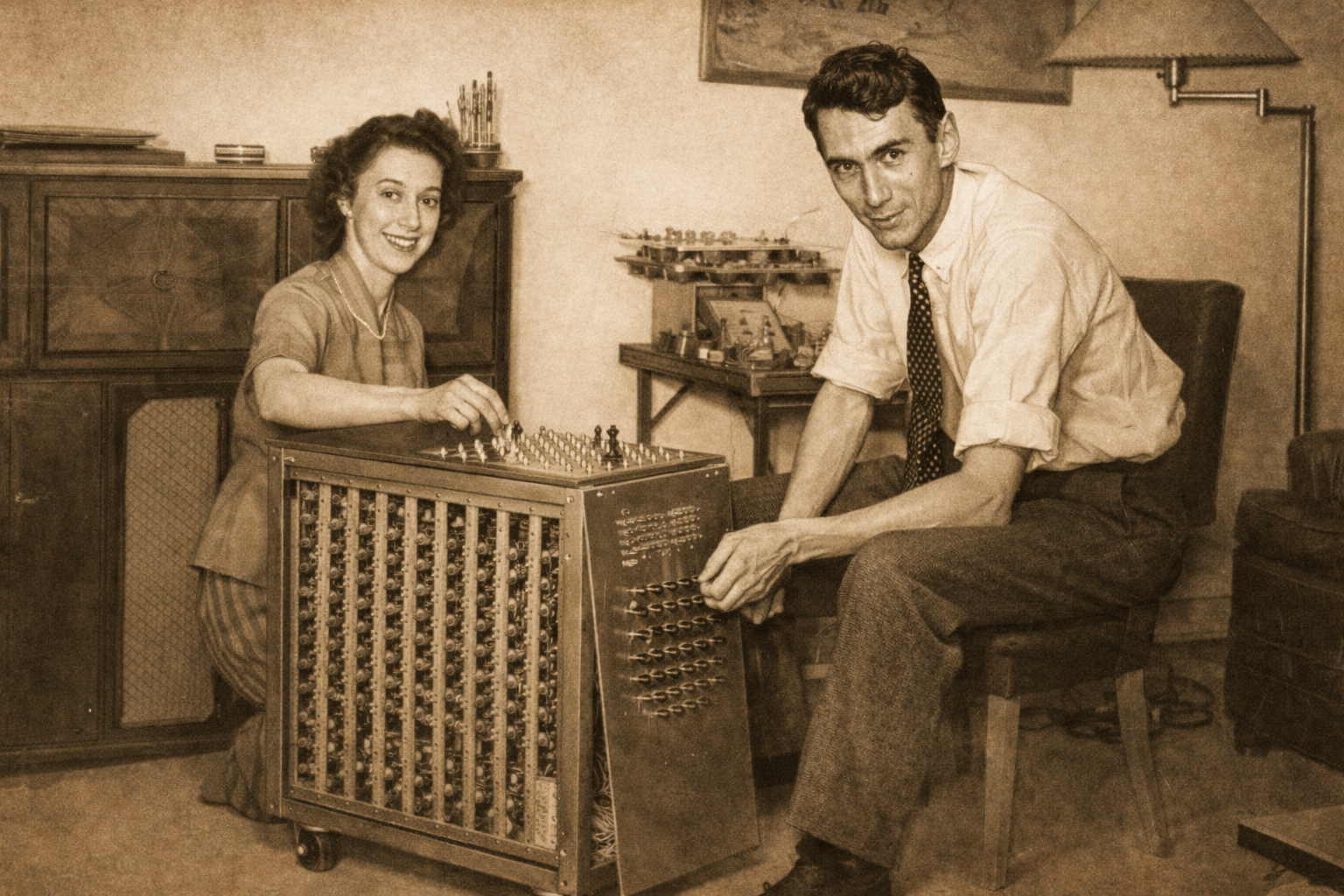
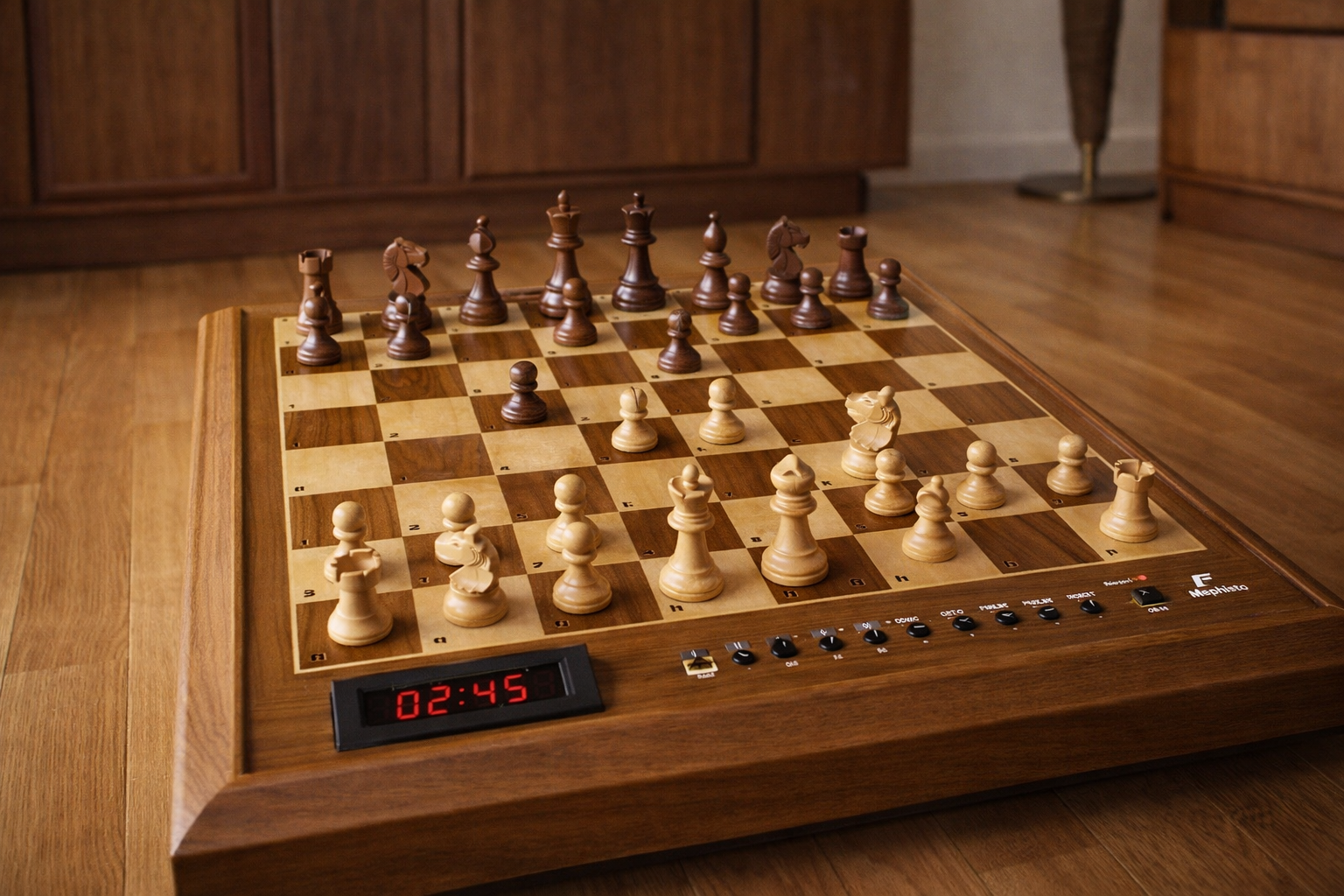
1970s
Dedicated Consumer Embedded

Chess as a product

The chess engine becomes a household gadget — and a training partner.
What changed

Dedicated devices force efficiency. With limited CPU and memory, programmers squeeze every ounce out of representation, search, and evaluation. The result: chess engines become engineering discipline, not just research.

Read Starred
1980s chess computer era (placeholder)
1980s
Dedicated Specialized Tournaments

Industrial chess strength

The same algorithms — but now tuned like race cars.
What changed

The upgrade is compound: faster chips, better pruning, stronger evaluation, and practical extras: opening libraries, endgame knowledge, and style settings. Chess machines start to feel like personalities.

Read Starred
Chess supercomputer (placeholder)
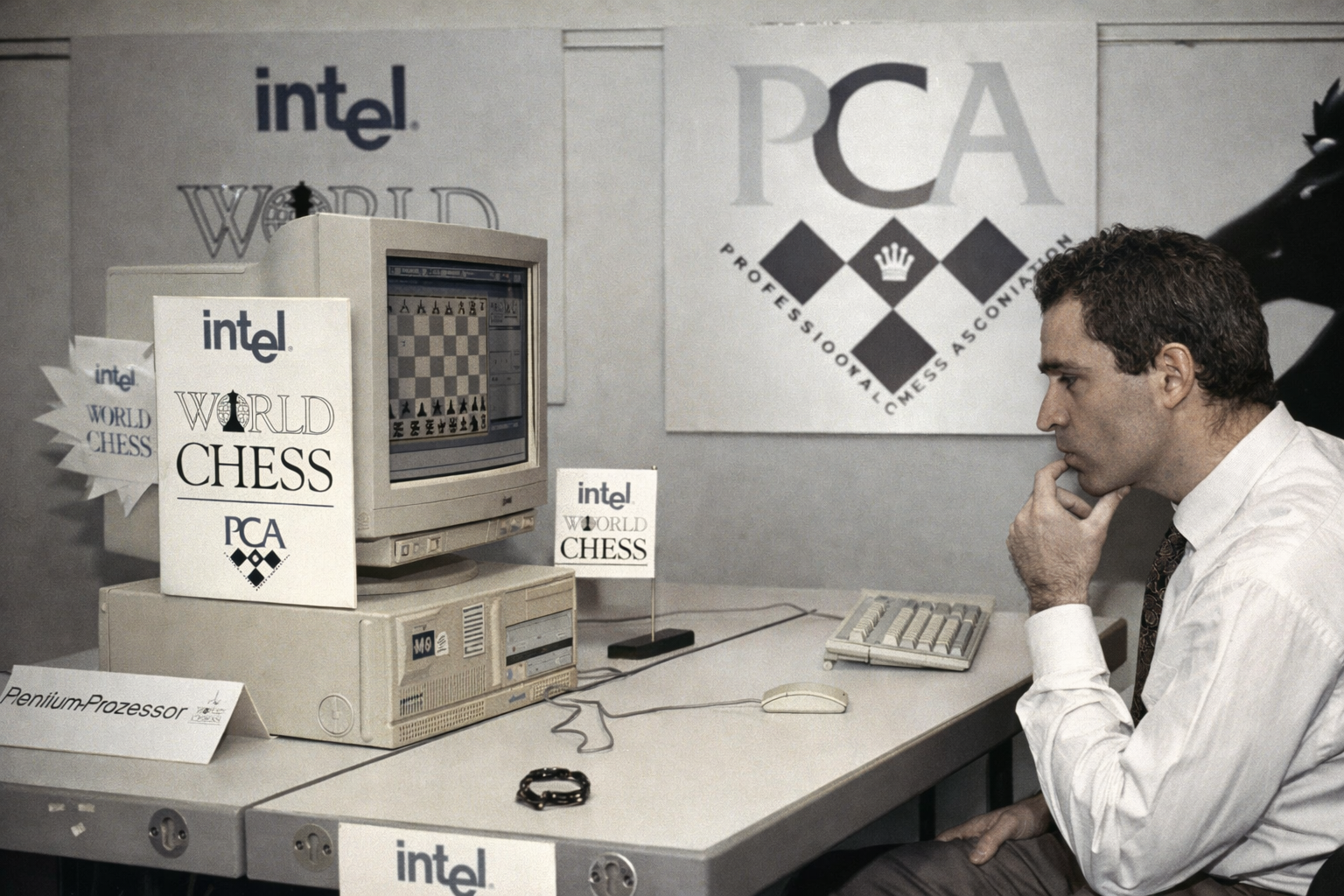
1990s
Supercomputers Hardware Benchmark

When compute becomes the weapon

Chess is now a public proving ground.
What changed

This era makes a blunt point: if your evaluation is decent and your pruning is disciplined, brute-force search plus horsepower becomes terrifying. The public starts equating “AI” with raw calculation.

Read Starred
Deep Blue vs Kasparov (placeholder)
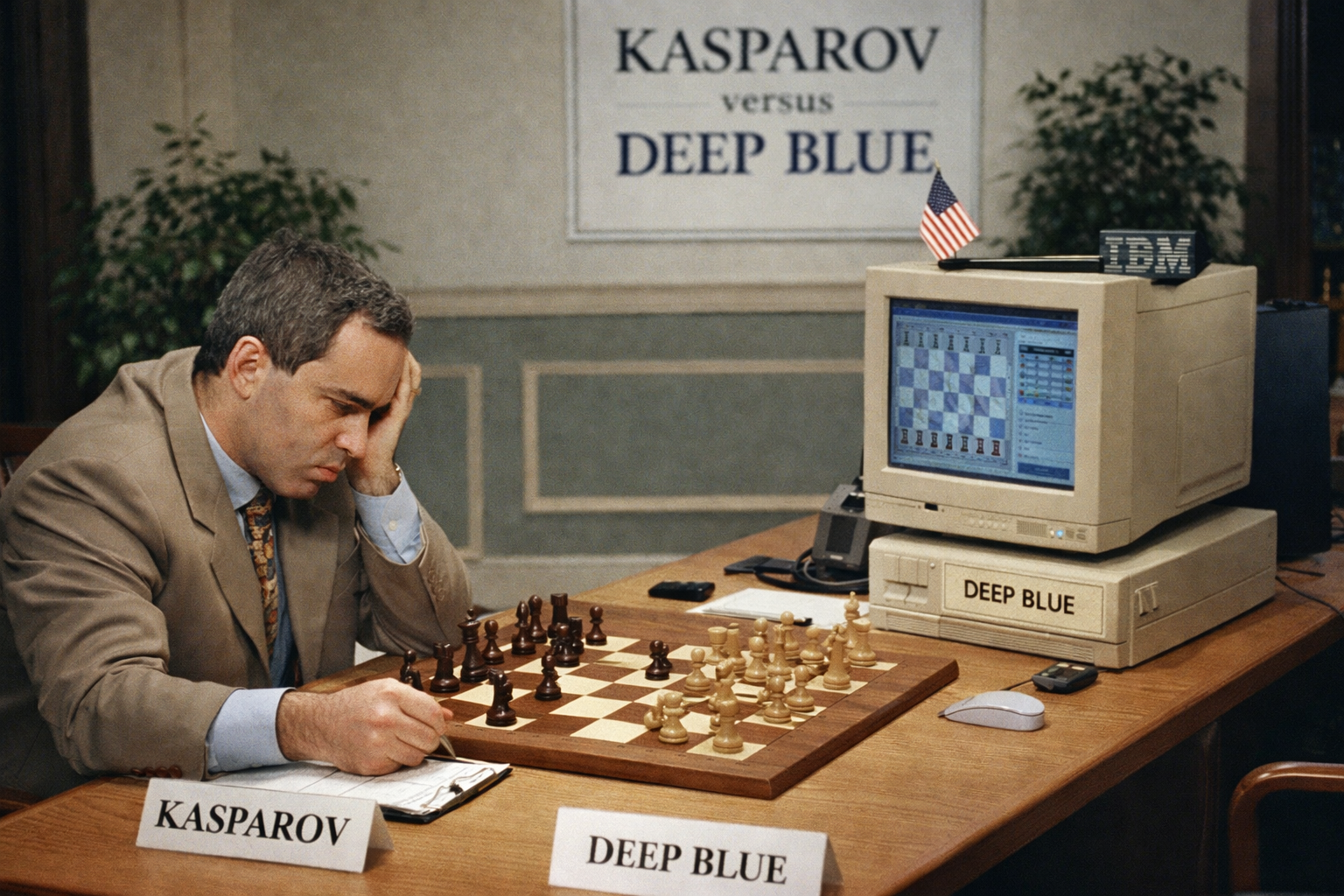
1997
Supercomputers Human vs Machine Milestone

Deep Blue vs Kasparov

The moment the myth becomes reality — loudly.
What changed

The story isn’t “the machine thinks like a human.” The story is: a system that searches deeply, uses strong heuristics, and runs on serious hardware can beat the very best — and force humans to respect machine-style chess.

Read Starred
Chess engines on PC (placeholder)
2000s–2010s
Modern AI Standardization Ubiquity

Engines everywhere

Chess computers stop being “devices” and become an invisible layer of the game.
What changed

The big upgrade is ecosystem: engines talk to GUIs via common protocols, share formats, and integrate with databases. Chess becomes searchable, testable, and analyzable at scale.

Read Starred
Neural chess AI (placeholder)
2017
Modern AI Self-play Neural nets

Self-play learning

Less hand-coded chess knowledge — more learned intuition.
What changed

Instead of crafting evaluation terms by hand (“bishop pair is good, king safety matters…”), the system learns patterns through massive self-play. The result feels strategic and creative — yet still grounded in disciplined search.

Read Starred
Hybrid chess engine concept (placeholder)
2020s
Modern AI Hybrid Practical strength

Hybrid engines

The meta stabilizes: search remains king — but evaluation got smarter.
What changed

The modern pattern is pragmatic: keep alpha–beta search because it’s brutally effective, but replace (or augment) hand-written evaluation with neural scoring that captures subtle patterns. The result: stronger play at the same depth.

Read Starred

Museum guide tip: make “Tech-Leaps” clickable everywhere

The mini lexicon is perfect for “museum label” details without sending visitors to a new page. Add chips on cards, section plaques, captions — anywhere a curious reader might ask: “Okay, but what does that actually mean?”

Nach oben scrollen