The Story of Data Storage
From Basile Bouchon’s punched paper tape (1725) to cloud-scale object storage — this is a museum walk through the upgrades that quietly reshaped civilization: encoding, random access, density, reliability, speed, and the true hidden hero: error correction.
TL;DR – What you’ll get
1725 → todayEach milestone shows what changed, what it enabled, and what problem it solved. Tap Tech-Leap chips for quick definitions — or hit Read Article to open a full encyclopedia deep dive with a table of contents and reading progress.
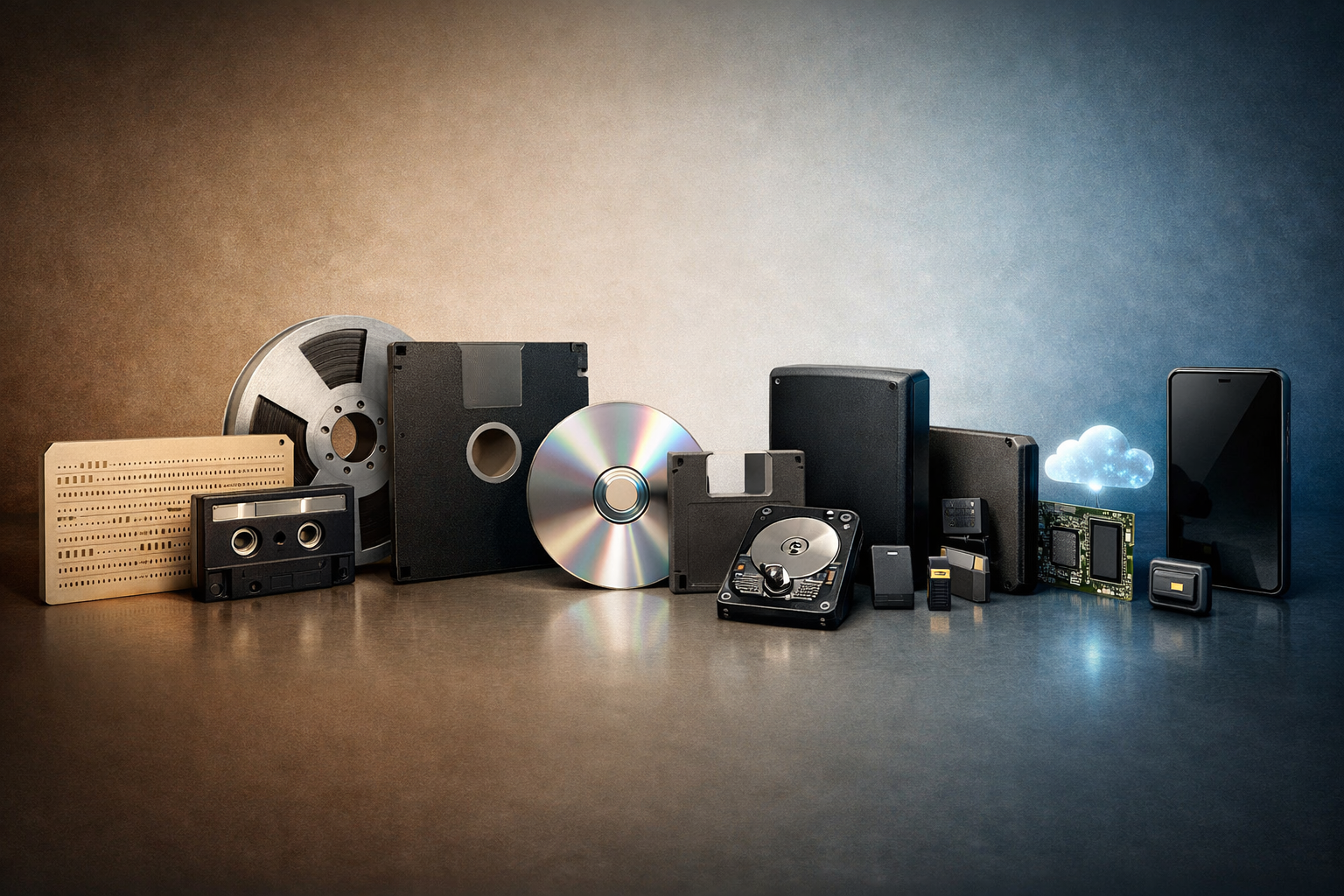
Timeline & Milestones
A museum walk through storage. Click images for the viewer — click Tech-Leaps for the mini lexicon — and hit Read Article to open the full “encyclopedia” deep dive per milestone.
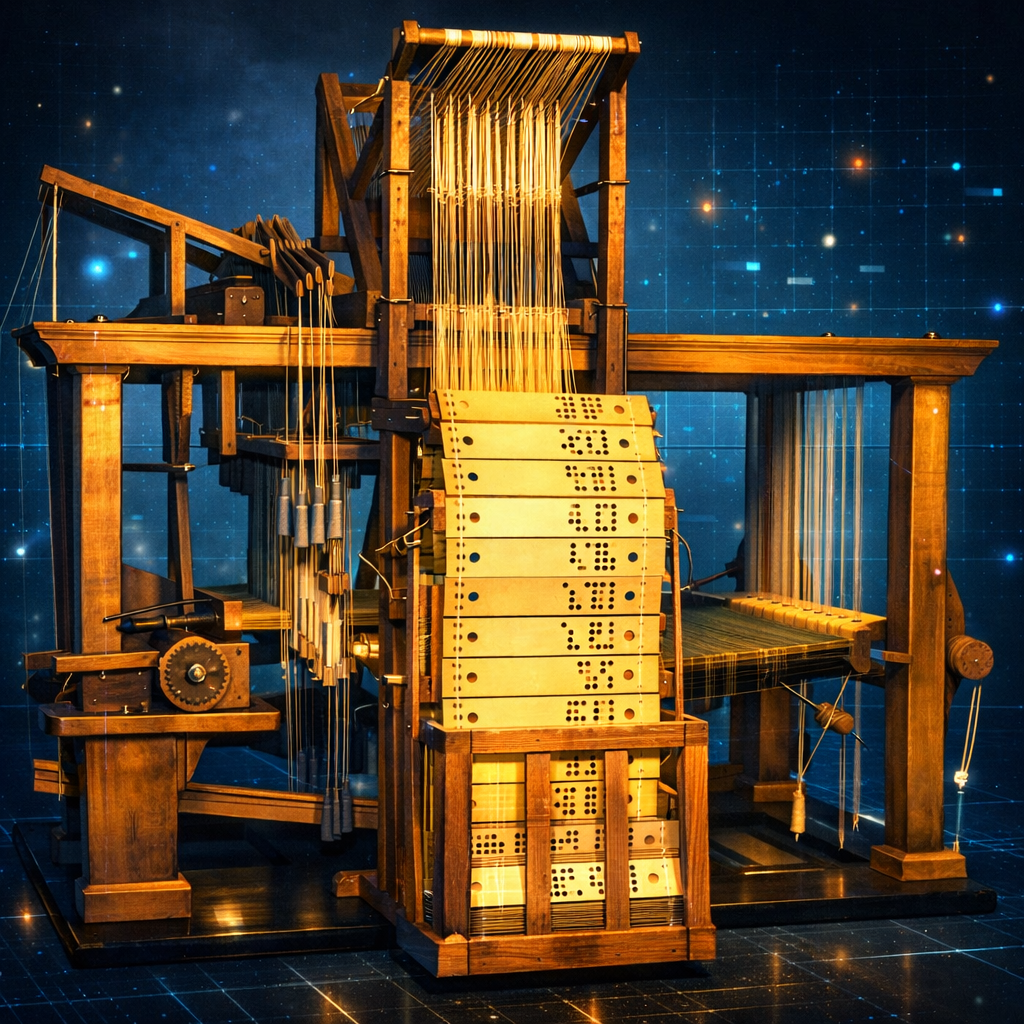
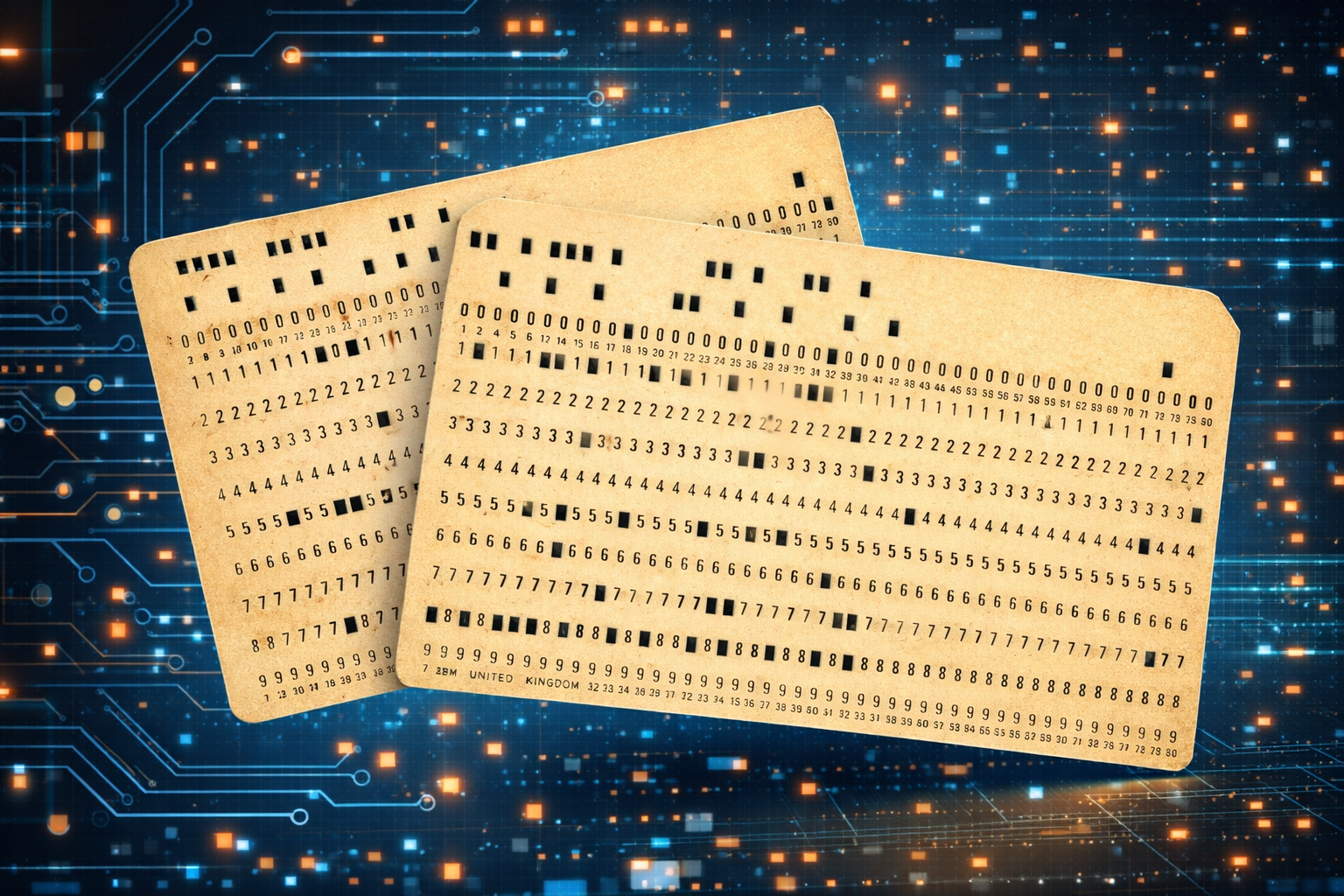
PUNCHED MEDIA • 1725 → early 1900s
The idea is deceptively simple: store meaning as a pattern a machine can read. Holes aren’t “computing” yet — but they are the moment information becomes a repeatable artifact.
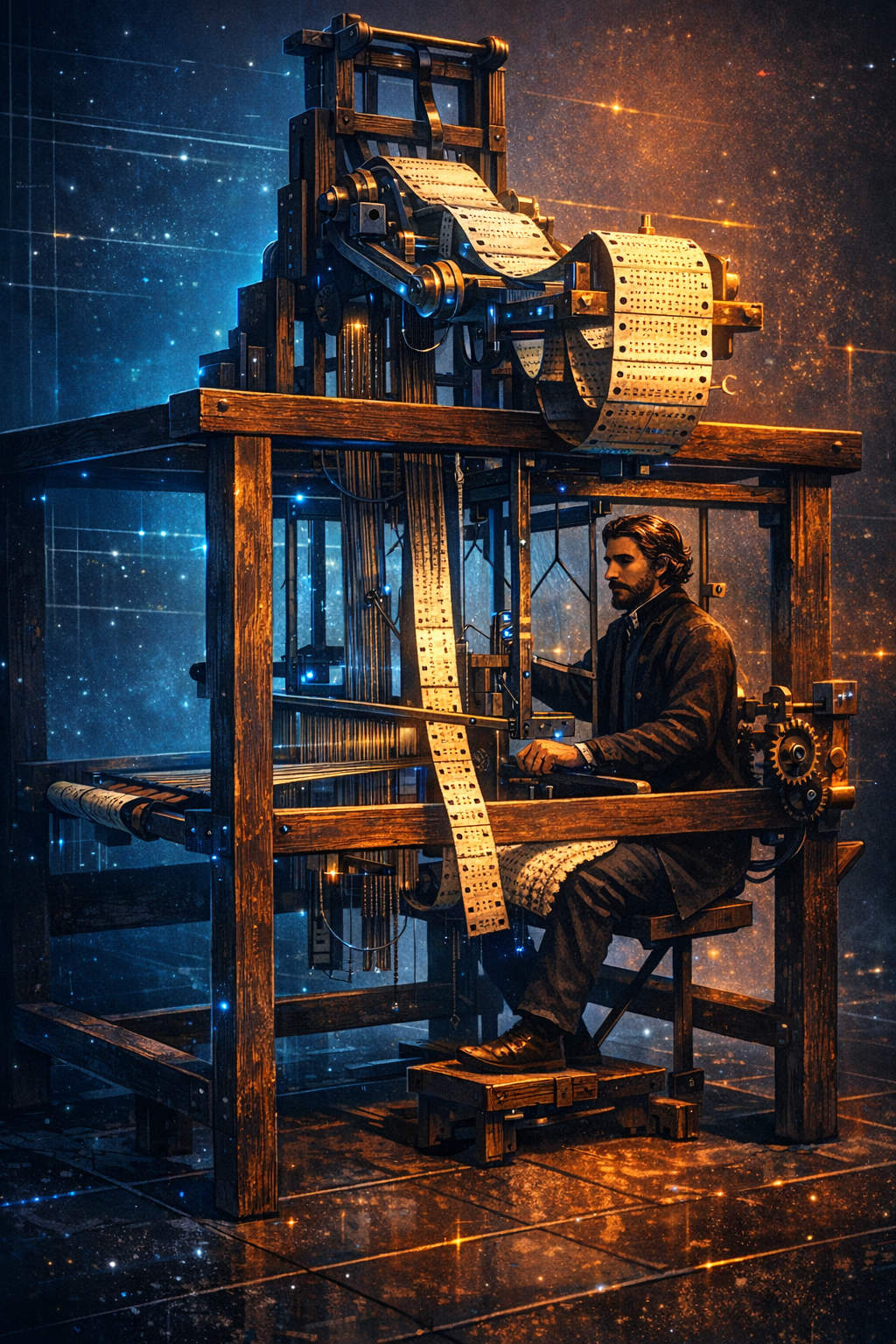
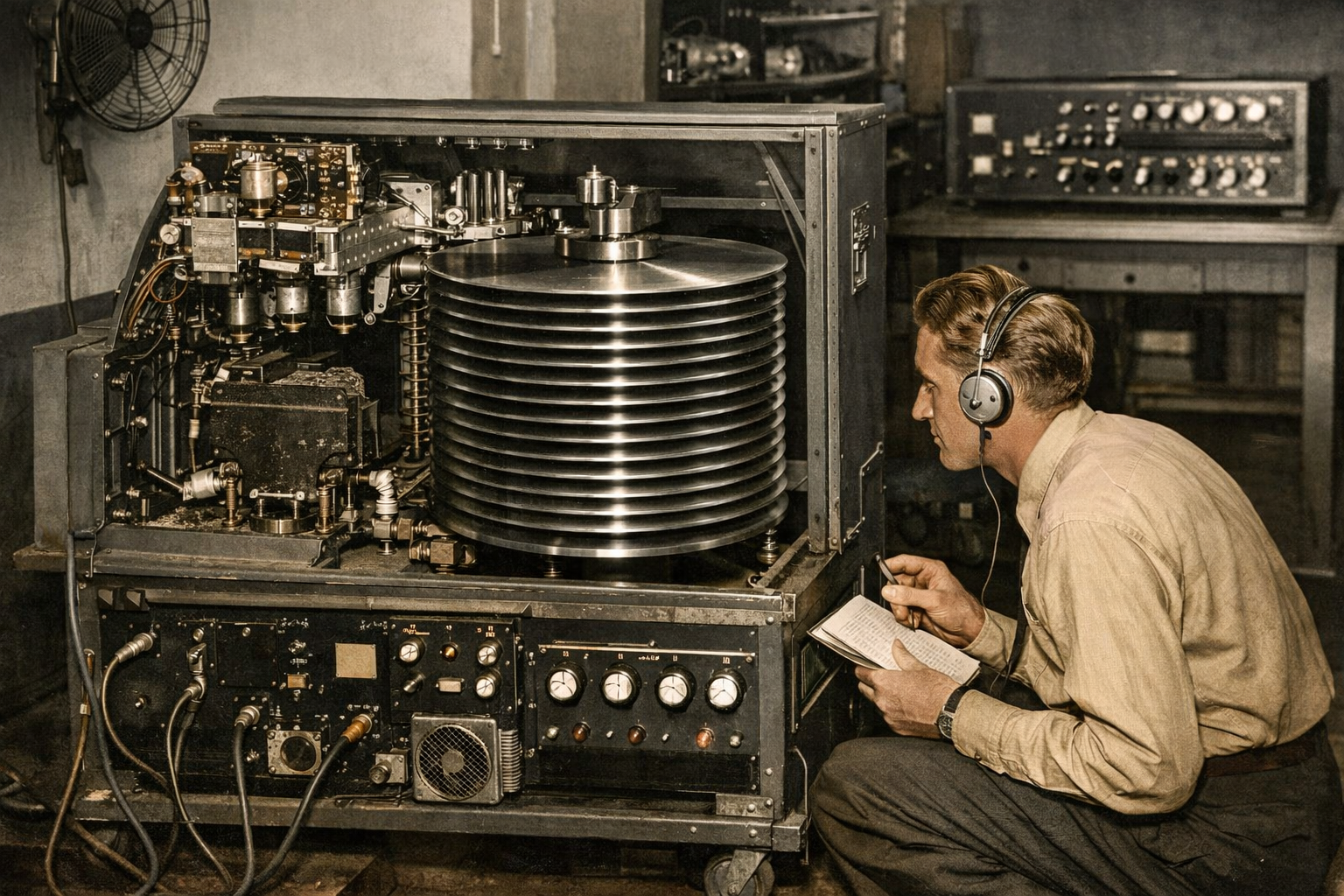
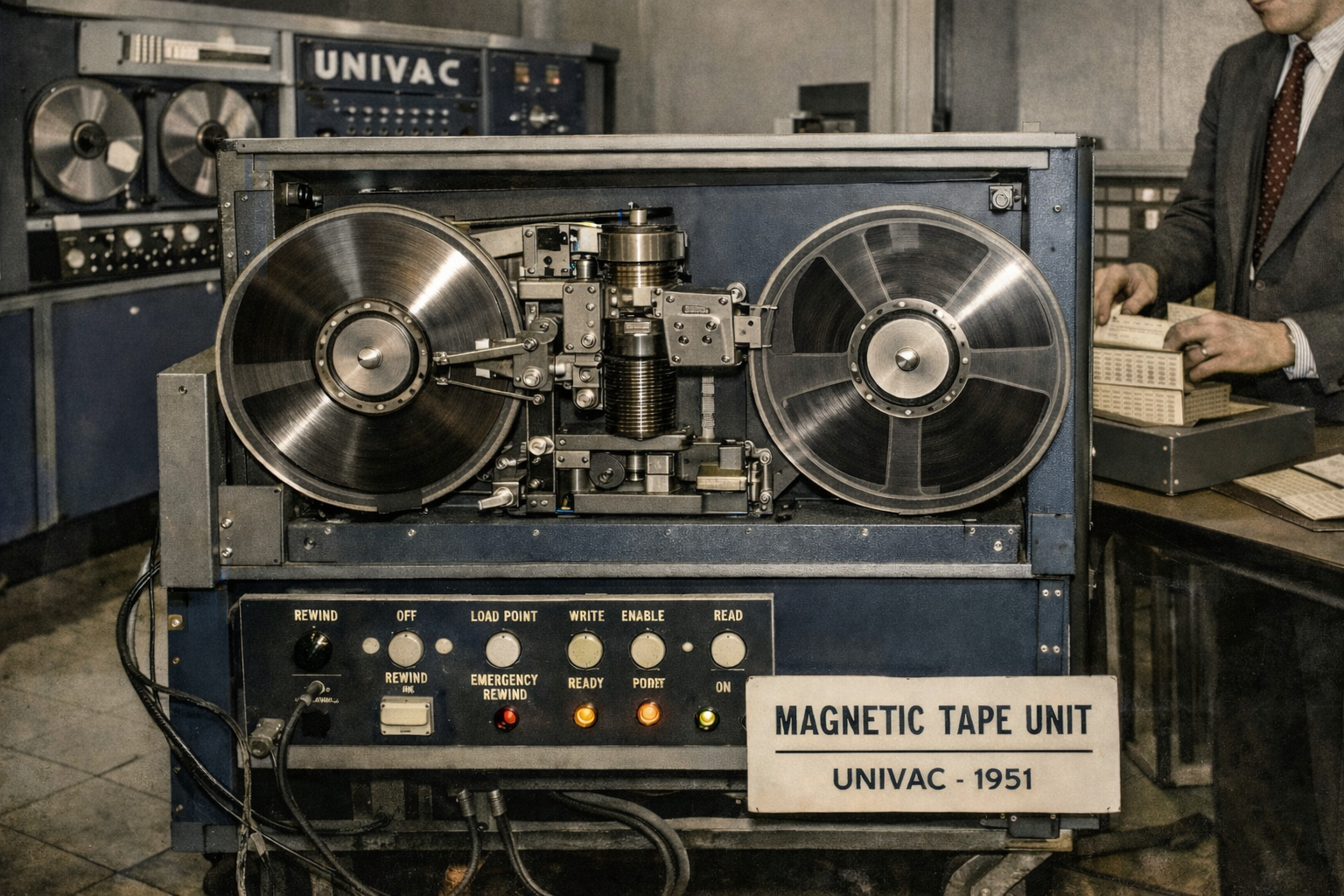
MAGNETIC ERA • 1930s → today (yes, still)
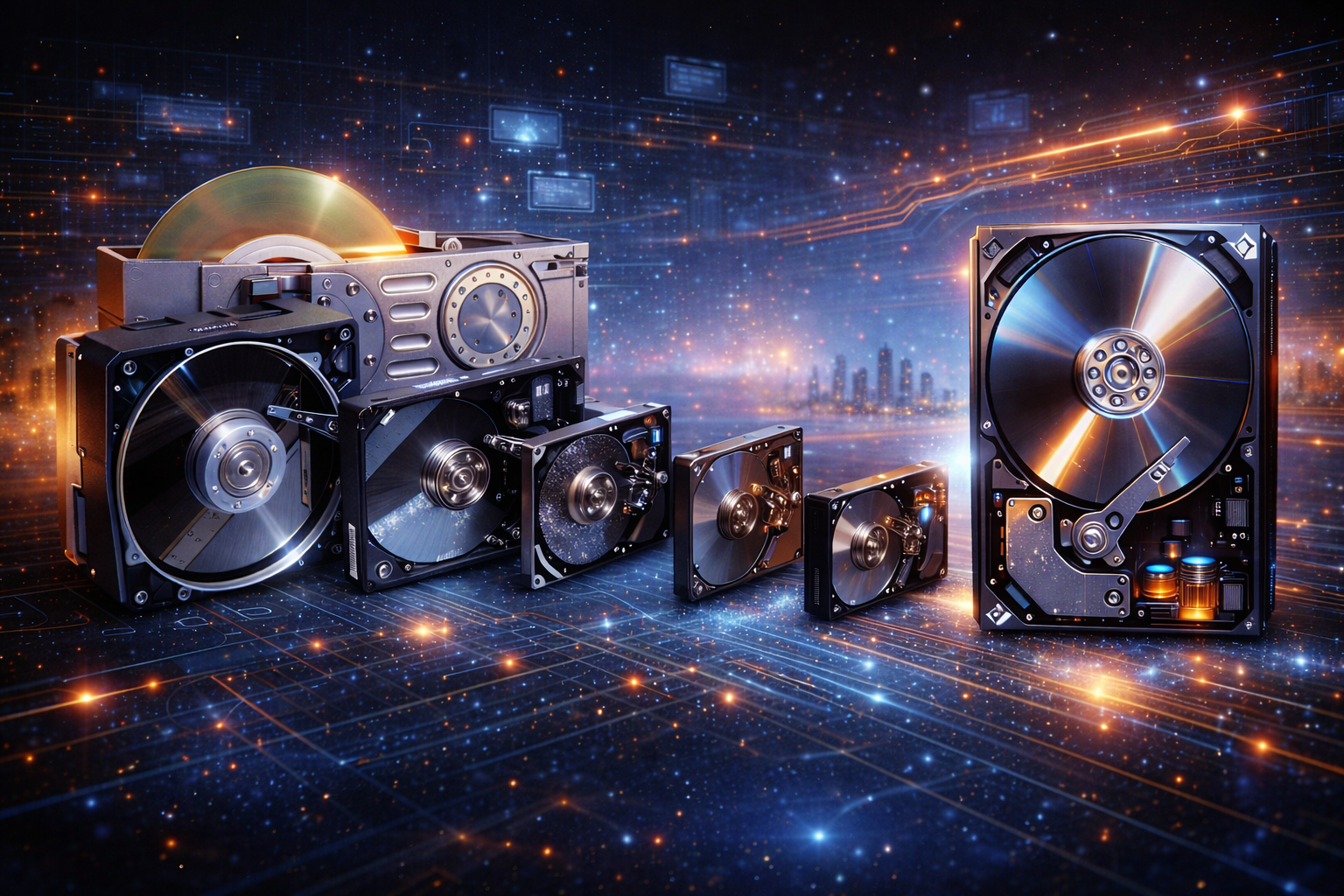
Magnetism turns data into invisible states. And suddenly storage becomes rewritable: archives, backups, disks, file systems, and the first real “random access” moment.

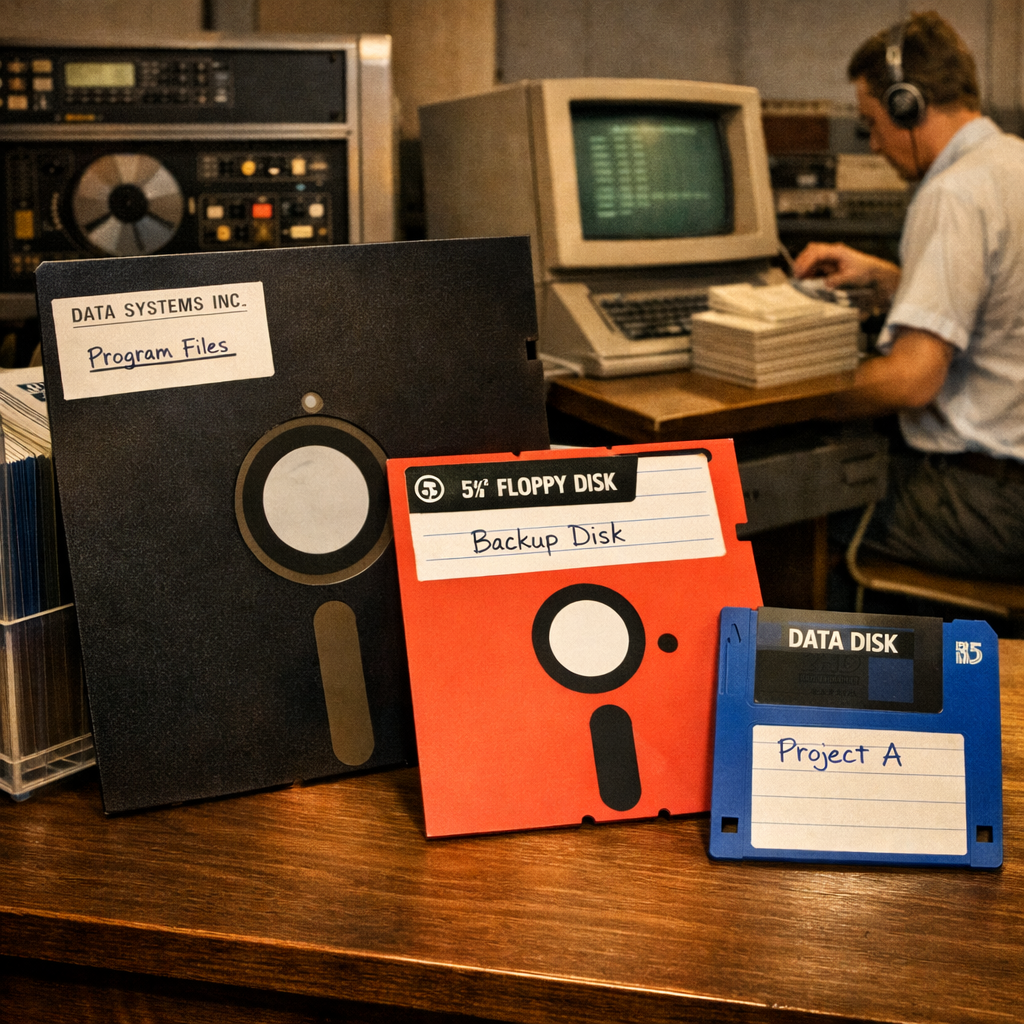
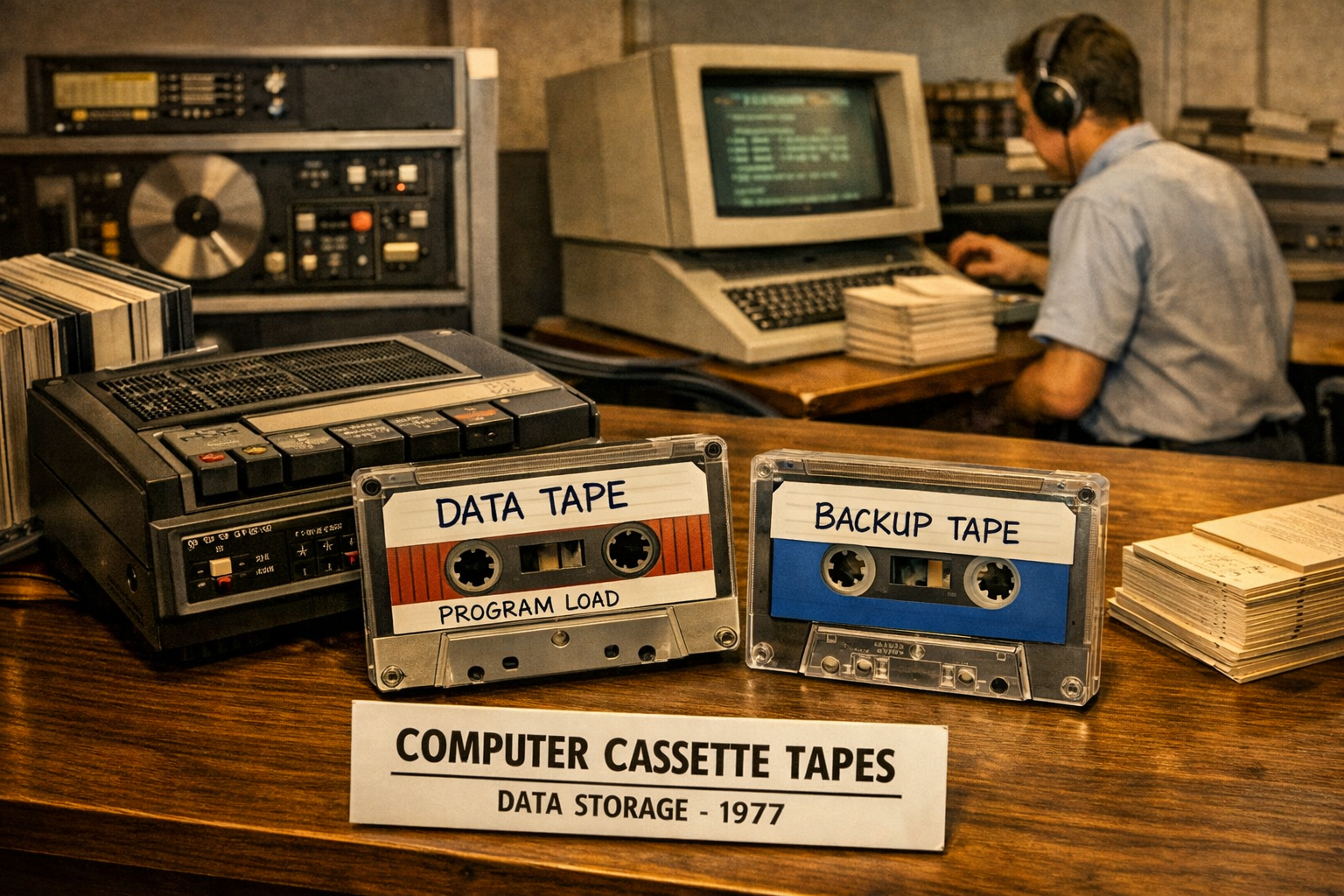
PERSONAL & REMOVABLE • 1970s → 1990s
Storage becomes something you can hold, trade, and lose in a drawer. This era is culture: demos, shareware, school projects, and games that travel from friend to friend.
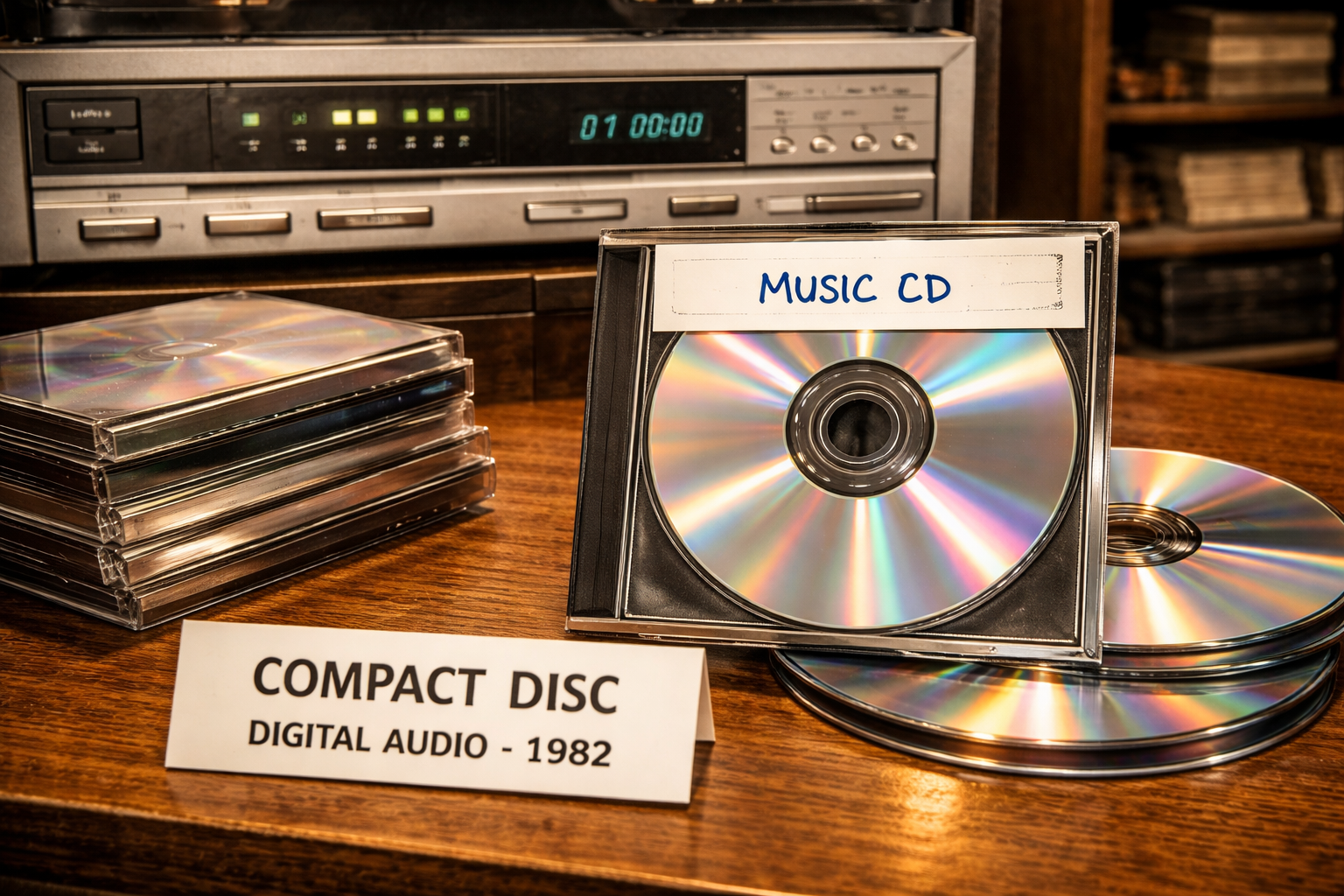
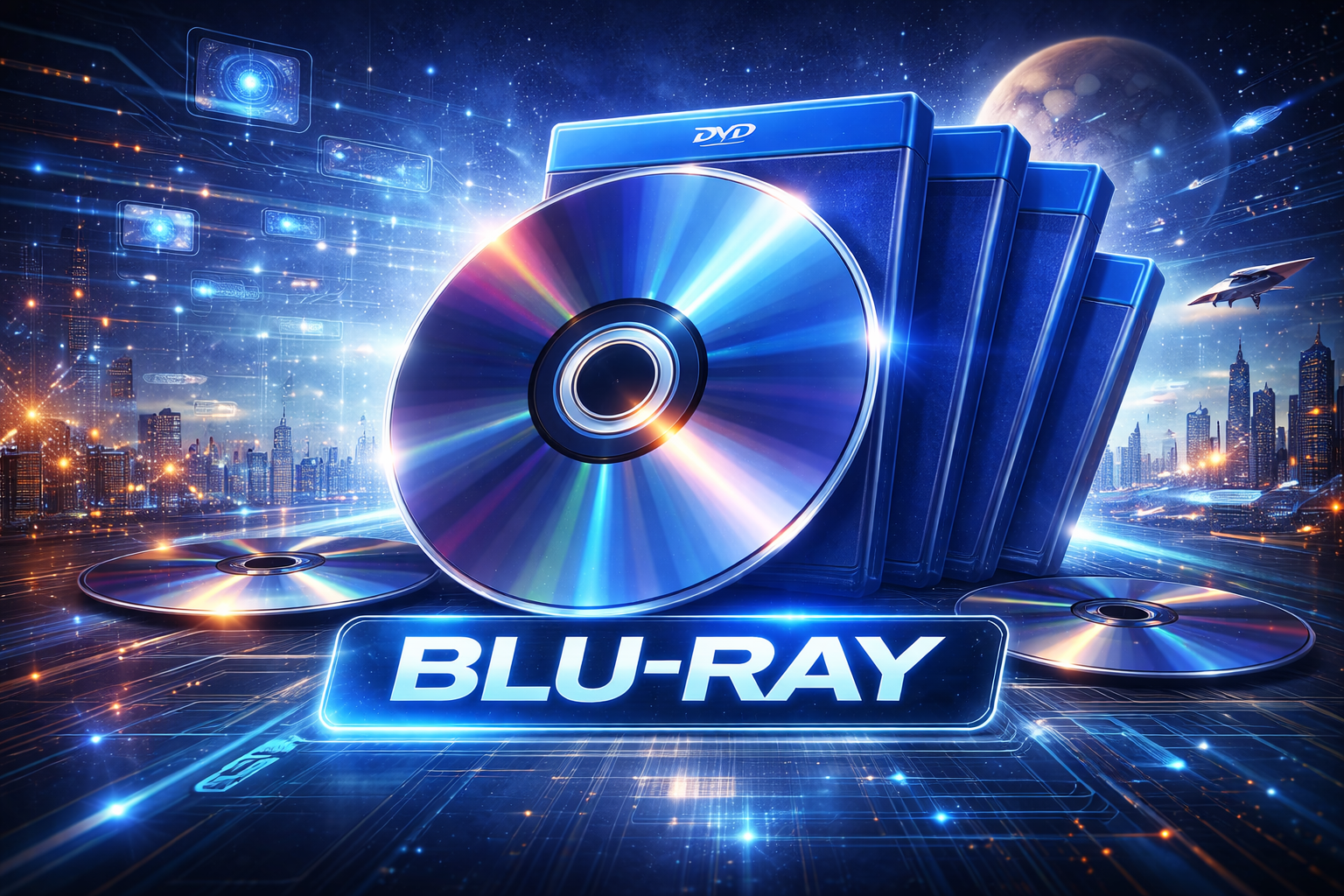
OPTICAL • 1982 → 2000s
A laser reads microscopic terrain. The magic isn’t only the disc — it’s the math: error correction that turns scratches into “still playable”.
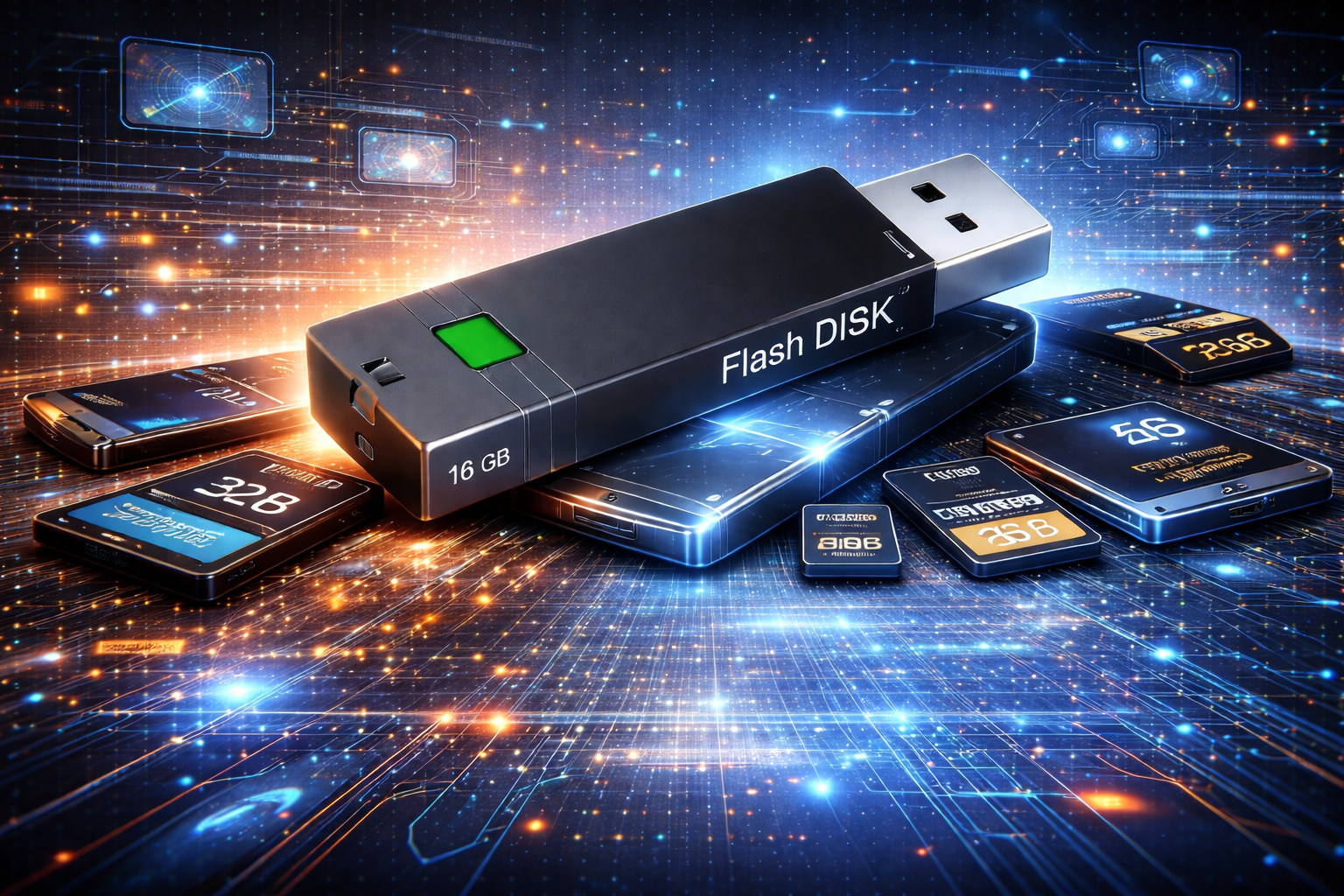
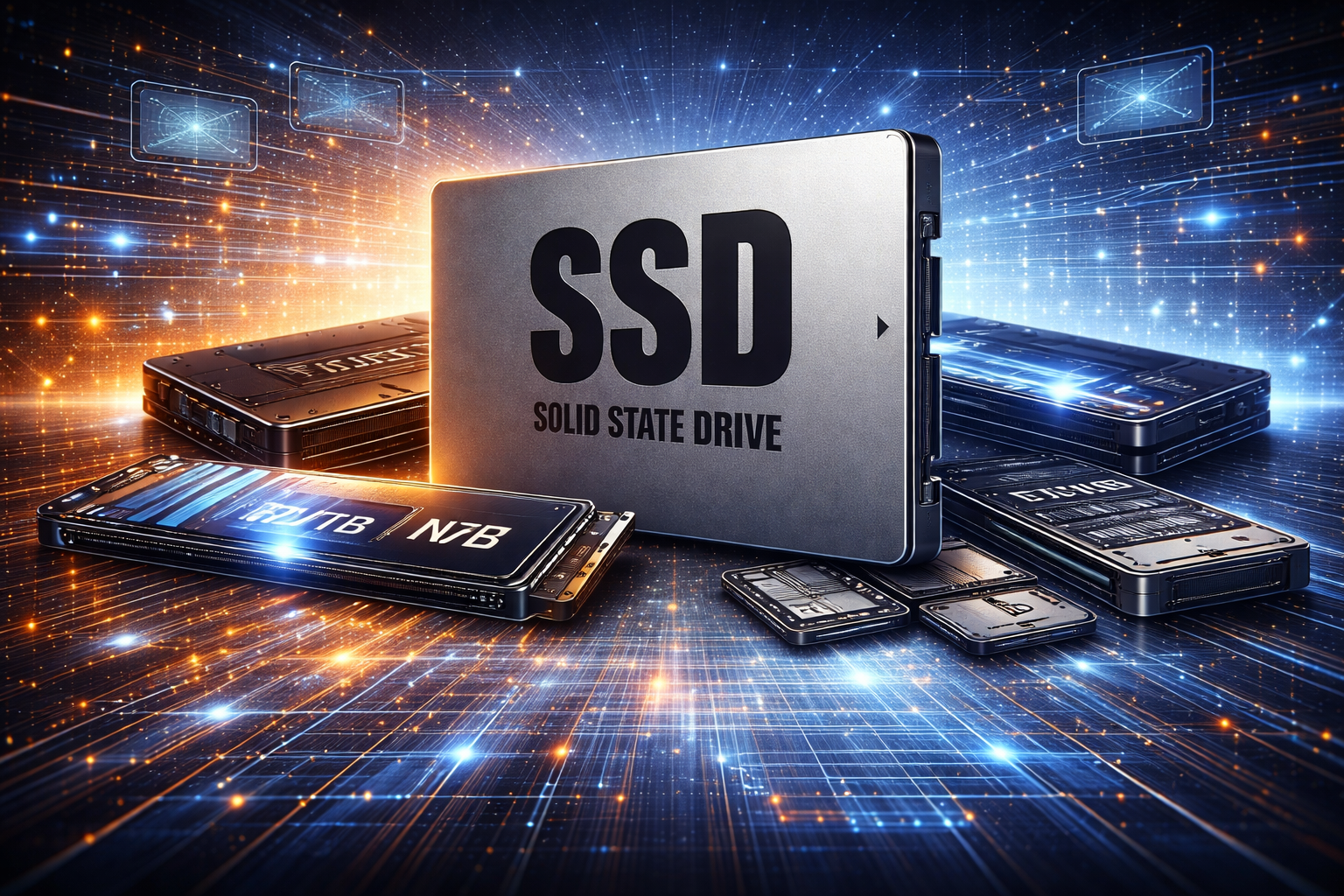
FLASH & SSD • 1990s → now
No moving parts. That one change reshapes everything: laptops become quiet, phones become possible, and “storage” starts to feel like instant memory.
CLOUD & DISTRIBUTED • 2006 → now
Data stops living on your device and starts living in systems built to survive failure. The secret becomes durability math, replication strategy, and the difference between “safe” and “available”.


How to expand this page like a “living museum”
Add more milestones (e.g., RAID, databases, 3D NAND, tape libraries, cold tiers, distributed file systems). The pattern stays readable because the deep-dives keep visitors in-flow: learn without leaving.
Next epic step: add a “Storage Stats” row per milestone with typical capacity, throughput, and latency ranges for that era.