- Distinct combat hook: the Veil powers give the shooting an identity most 2000s military FPS titles never had.
- Atmosphere: occult science, Black Sun energy, and ruined Isenstadt create a grim pulp tone that feels oddly specific.
- Ambitious structure: hub travel, side routes, intel, gold, and black-market upgrades make it more interesting than a straight corridor shooter.
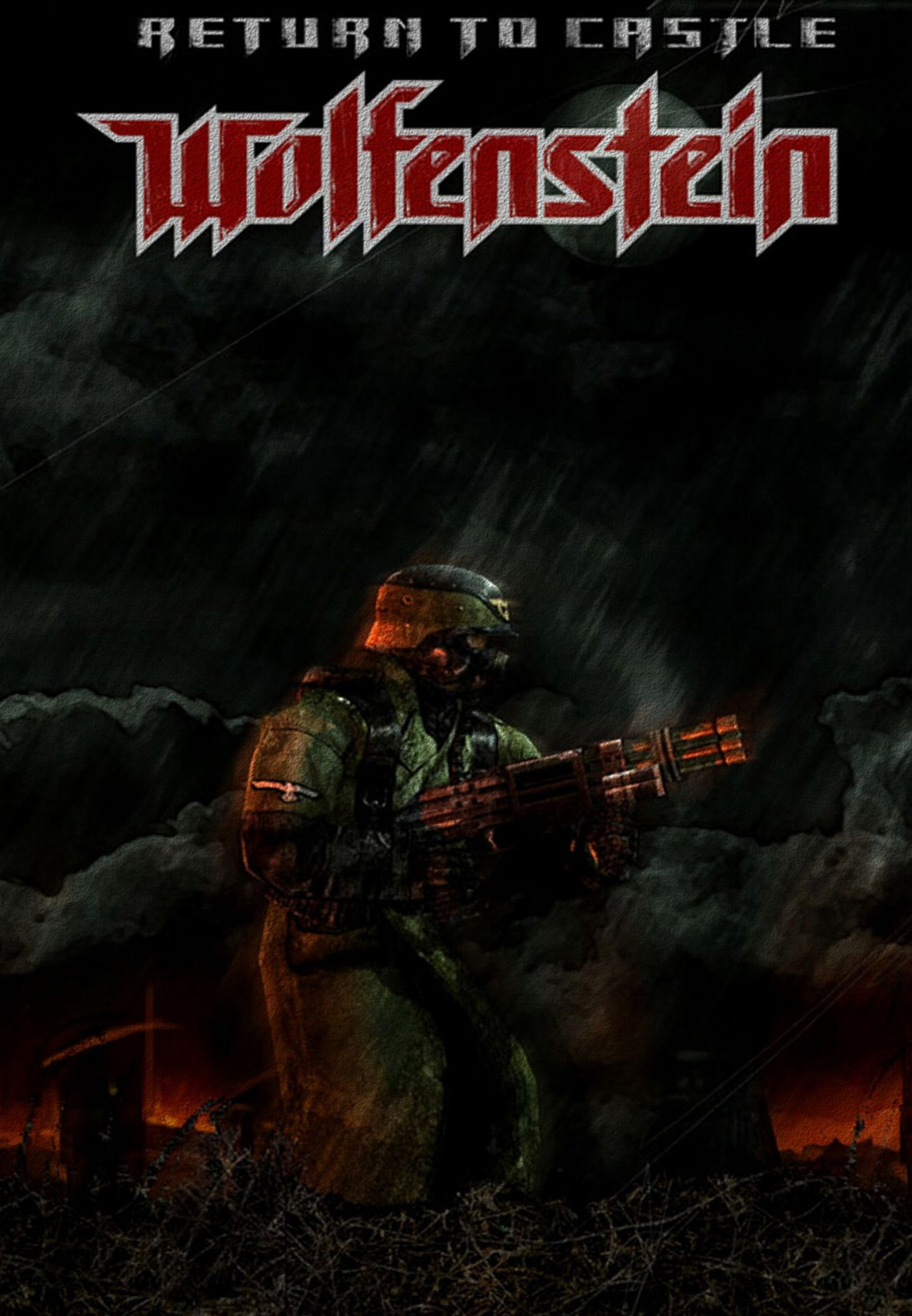
- Historical value: it works as the awkward, compelling bridge between Return to Castle Wolfenstein and The New Order era.
“An inventive mid-budget shooter: messy in places, memorable in many.”
Not the cleanest Wolfenstein — but absolutely one of its strangest and most underrated chapters.
The Lost Bridge Between Old Wolfenstein and the Reboot Era
Wolfenstein (2009) is one of those games that becomes more interesting once the series moves past it. In its own moment, it looked like another late-2000s shooter trying to survive in a crowded field. But with distance, its identity becomes clearer: this is a strange hybrid of chunky id-lineage gunplay, supernatural powers, hub-based mission flow, and pulp-horror energy. It does not have the ruthless confidence of the MachineGames titles, yet that very in-between quality is part of what makes it worth revisiting.
Game Data
| Title | Wolfenstein |
| Release Year | 2009 |
| Developer | Raven Software |
| Publisher | Activision |
| Platform | Windows / PlayStation 3 / Xbox 360 |
| Genre | First-person shooter |
| Players | Single-player / Online multiplayer |
| Original Format | DVD-ROM / Blu-ray Disc / digital distribution |
| Core Loop | Fight, shift into the Veil, collect gold and intel, upgrade, push deeper into occupied Isenstadt |
Heavy automatic weapons, medallion powers, semi-open mission routing, hidden gold, collectible intel, and black-market upgrades.
B.J. Blazkowicz is sent into Isenstadt, where the Nazis are exploiting Black Sun energy and paranormal artifacts. What begins as sabotage becomes a war against occult technology, the Veil dimension, and one of the series’ darker power fantasies.
Its key signature is the Veil: a parallel supernatural layer that lets the player slow time, bypass obstacles, amplify damage, and turn ordinary firefights into something stranger than the standard WWII FPS formula.
Review / Why It Still Plays Better Than Its Reputation
The first thing Wolfenstein gets right is its raw tactile feel. Guns bark loudly, enemies arrive with force, and combat has enough weight to feel dangerous even before the medallion powers enter the rhythm. This is not a graceful shooter. It is loud, blunt, and eager to throw chaos at the player. That roughness actually helps it. The game feels closer to a bruising late-id bloodline than to the cleaner, more scripted military shooters surrounding it at the time.
GUNPLAY + VEIL POWERSWhere it becomes genuinely interesting is the Veil. Instead of simply adding another grenade type or another iron-sight routine, Wolfenstein adds a supernatural layer to combat. Slowing time, breaking through specific barriers, overcharging damage, and reading hidden energy points give the firefights a more eccentric cadence. The best battles become about when to shift the rules, not merely when to shoot straighter. That design twist is the game’s true identity, and it still separates Wolfenstein from more anonymous shooters of its era.
ISENSTADT AS HUBThe semi-open Isenstadt hub is probably the game’s most divisive idea. On paper, it adds texture: resistance contacts, side routes, black-market dealers, secret stashes, and a city that feels like a war zone instead of a sequence of disconnected levels. In practice, it can also create drag. The player spends a fair amount of time doubling back through streets that are more functional than memorable. Yet even here the game is at least trying something. That ambition counts for a lot when so many shooters of the period were content to remain straight corridors with cutscenes between them.
WHERE IT STUMBLESThe game’s biggest weakness is that it never fully resolves its own split personality. It wants to be a propulsive shooter, a strange occult fantasy, a hub-based resistance story, and a collectible-heavy upgrade loop at the same time. Sometimes these elements click; sometimes they simply rub against each other. Some of the hub travel feels repetitive, some missions blur together, and the multiplayer never became the lasting pillar the design perhaps hoped for. Wolfenstein is rarely boring, but it is not always elegant.
FINAL VERDICTWhat keeps Wolfenstein (2009) alive is not polish but character. It has ideas. It has texture. It has a specific tone that modern franchise management might have sanded away. As a pure top-tier classic, it falls short. As a forgotten transitional shooter full of occult flavor, thick atmosphere, and flashes of real invention, it remains surprisingly easy to respect — and much easier to enjoy than its historical reputation would suggest.
Why Historically Important
Wolfenstein (2009) matters because it occupies an awkward but revealing place in franchise history. It is the major bridge between Return to Castle Wolfenstein and the later MachineGames reinvention. It preserves the series’ older fascination with secret orders, occult energy, and grotesque Nazi science, yet it also experiments with a more modern upgrade loop and a hub-based city structure.
It is also one of those “missing chapters” that makes a series easier to understand. Without it, the jump from the early 2000s era to The New Order can look cleaner and more inevitable than it really was. Wolfenstein shows the franchise in transition: still tied to paranormal pulp, still tied to heavy shooter design, but already searching for a new identity.
That makes it valuable not only as a game, but as a historical artifact of late-2000s FPS design. It reflects a time when studios were still willing to build mid-budget shooters with strange mechanics, layered upgrades, and a tone that did not fit neatly into either military realism or blockbuster cinematic spectacle. It is not the definitive Wolfenstein, but it is a revealing one.
Timeline / Key Milestones
The modern Wolfenstein revival establishes B.J. Blazkowicz, occult Nazi science, and the tonal DNA that the 2009 entry would later inherit and mutate.
Wolfenstein releases for Windows, PlayStation 3, and Xbox 360 as Raven Software’s occult-heavy continuation of the series.
The game becomes part of a broader conversation around censorship and historical iconography, especially in Germany, adding an unusual layer to its release history.
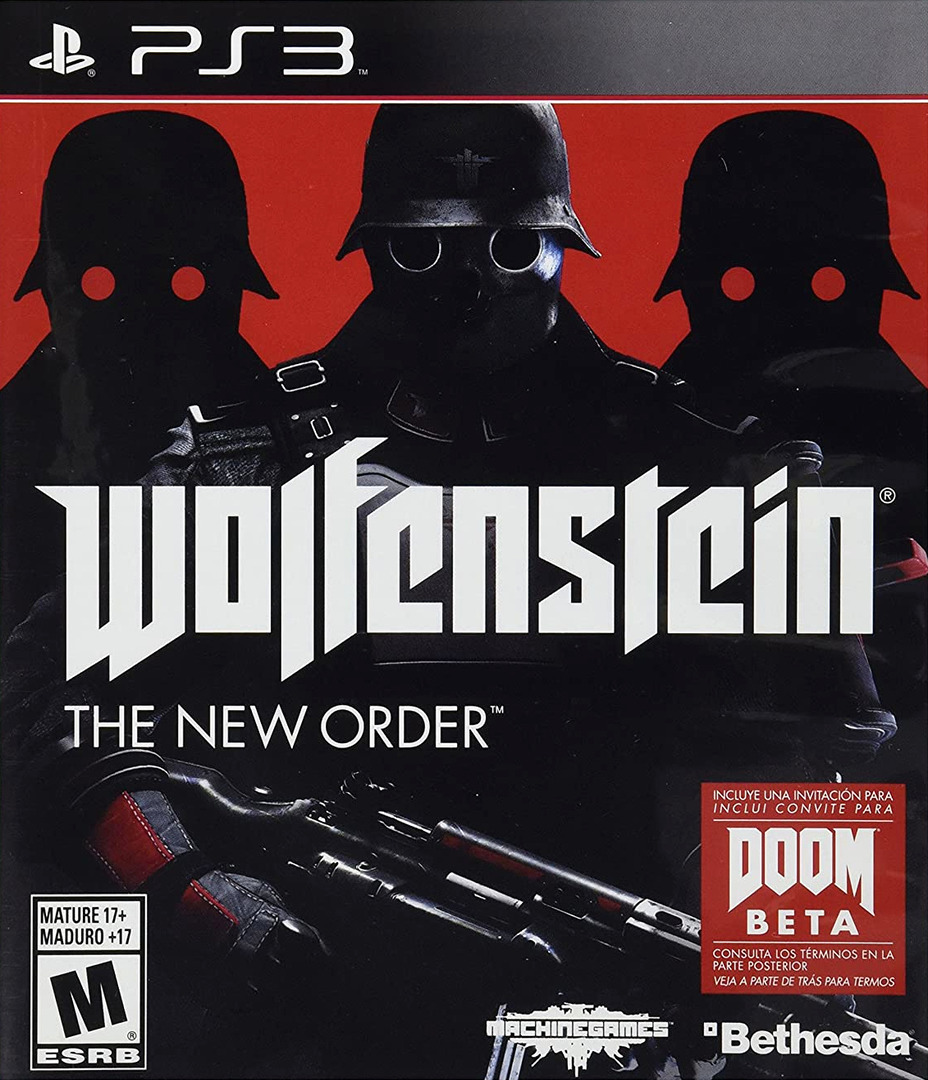
MachineGames launches Wolfenstein: The New Order, and the 2009 entry increasingly becomes the odd transitional chapter between franchise identities.
As the game becomes harder to purchase through normal digital channels, it gains a new reputation as a semi-lost collector’s piece and an underrated curiosity.
More players revisit it as a fascinating AA-era shooter: imperfect, but packed with atmosphere, ideas, and forgotten franchise value.
4NERDS Collector Marketplace
A curated access point for Wolfenstein fans, FPS collectors, late-2000s shooter archivists, and retro-console players: original-market searches, modern related items, and future handmade display pieces — clearly marked as partner links where applicable.
Shop Wolfenstein finds
Browse current Wolfenstein-related offers on eBay — useful for boxed PC copies, PS3 and Xbox 360 editions, manuals, collector bundles, and franchise display pieces.
- Original physical editions and related variants
- Boxed copies, manuals, and collector lots
- Condition and price comparison
Paid partner link / Werbung — availability and pricing depend on eBay sellers.
Browse Wolfenstein items
Explore Amazon for Wolfenstein-related items, id Software history books, retro gaming guides, FPS archive material, Bethesda collections, and modern extras for collectors.
- Books, merch, and retro-gaming material
- Wolfenstein and id Software related items
- Gift ideas and archive browsing
Paid partner link / Werbung — as an Amazon Associate, 4NERDS Gaming may earn from qualifying purchases.
Curated Etsy picks coming soon
Planned for handmade Wolfenstein-inspired display pieces, retro FPS shelf art, late-2000s shooter prints, desk objects, and museum-style collector décor that match the 4NERDS archive aesthetic.
- Wall art and display-focused pieces
- Handmade and fan-crafted style items
- Added once the setup is ready
Etsy affiliate integration will be added after the tracking setup is approved and tested.
Transparency note: 4NERDS Gaming does not sell these items directly. External shops, prices, stock, shipping terms, and seller conditions may change at any time. eBay and Amazon links in this section are sponsored / paid partner links. Etsy is currently shown as an upcoming integration and does not link out yet.