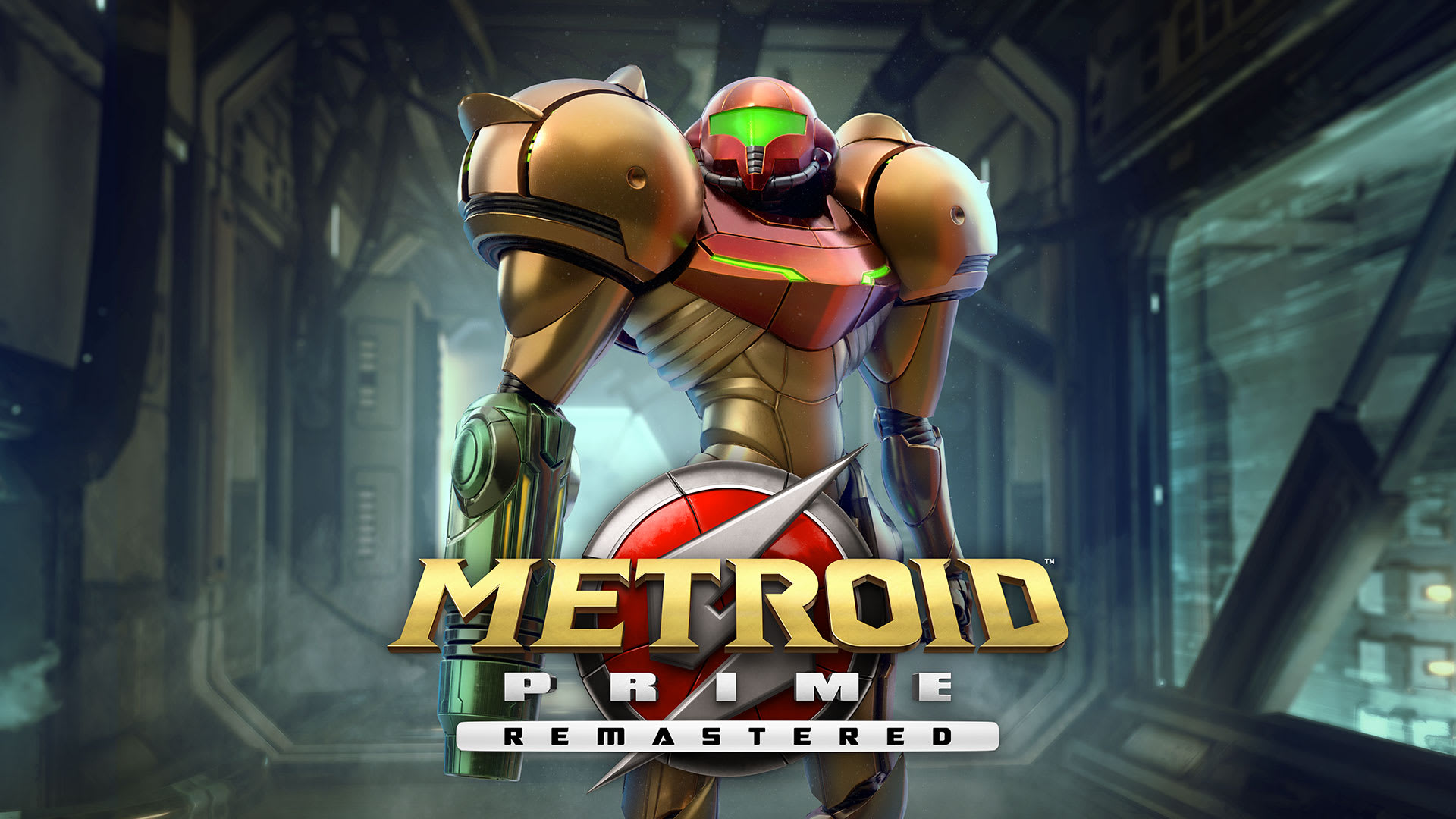
- 3D translation miracle: it turned 2D Metroid logic into first-person exploration without collapsing into a generic shooter.
- World atmosphere: Tallon IV feels ancient, poisoned, believable, and hauntingly alive.
- Visor identity: scanning, environmental reading, and diegetic HUD design make the suit itself part of the fantasy.
- Historical weight: it remains one of the clearest examples of a franchise evolving form while keeping core identity intact.
“Not just Metroid in 3D — Metroid reimagined correctly.”
A first-person adventure that values curiosity, solitude, and world-reading more than noise or spectacle.
The 3D Translation That Actually Worked
Metroid Prime had one of the hardest jobs in Nintendo history: taking a series built on side-scrolling maze logic, lonely progression, and environmental tension, then rebuilding it in first-person without turning it into “Metroid with a gun.” Against the odds, it worked. Prime does not merely borrow the iconography of Metroid. It understands the rhythm of the series: look, read, test, unlock, return, descend. That is why it still feels so authoritative more than twenty years later.
Game Data
| Title | Metroid Prime |
| Release Year | 2002 |
| Developer | Retro Studios |
| Publisher | Nintendo |
| Platform | Nintendo GameCube |
| Genre | Action-adventure / first-person adventure |
| Players | Single-player |
| Original Format | GameCube optical disc |
| Core Loop | Explore, scan, upgrade, backtrack, unlock, survive |
First-person exploration, visor-based interaction, lock-on combat, artifact hunting, interconnected biome backtracking, and suit-upgrade gating.
Samus answers a distress signal from a Space Pirate frigate, loses key suit functions during escape, then pursues Meta Ridley to Tallon IV, where Phazon corruption, Chozo ruins, pirate experiments, and the titular Prime threat converge.
Nintendo described it as a “first-person adventure” rather than a shooter — a small wording choice that accurately reflects why Prime feels so different from its peers.
Review / Why It Still Feels So Complete
Prime still feels fresh because its opening minutes communicate intent with tremendous confidence. The derelict frigate is not there just to teach controls. It immediately frames the suit as interface, the world as evidence, and exploration as a form of reading. You are not simply moving through geometry. You are investigating an ecosystem and a catastrophe. That framing remains powerful because so much of the game respects it.
WHY THE VISOR MATTERSOne of Prime’s defining achievements is that the suit never feels like decoration. The HUD fogs, flickers, reflects light, and responds to weather and damage. Different visors do not just add mechanics; they change how the world is understood. Scan Visor turns history into readable fragments. Thermal and X-Ray Visors turn perception itself into progression. That is why Prime feels so distinct from contemporary first-person games. Looking is gameplay.
WORLD DESIGN AND BACKTRACKINGTallon IV remains one of Nintendo’s best worlds because each biome has a strong identity without feeling disconnected from the larger planetary whole. Chozo Ruins, Magmoor Caverns, Phendrana Drifts, Phazon Mines — all of them are memorable spaces, but more importantly they interlock in ways that make return trips meaningful. Prime understands that backtracking is only frustrating when the world is forgettable. Here, revisiting often deepens your understanding instead of merely consuming time.
COMBAT, BOSSES, AND RESTRAINTThe lock-on system is one of the game’s smartest choices. It prevents first-person movement and platforming from becoming clumsy while letting the designers focus on positioning, observation, beam choice, and boss pattern recognition. Prime’s combat is not about speed in the modern shooter sense. It is about maintaining clarity in strange spaces. That restraint is part of why the game still reads so well.
FINAL VERDICTMetroid Prime endures because it solved a genuine design problem rather than simply dressing up an old franchise in a new camera angle. It kept the loneliness, the layered spaces, the upgrade-driven momentum, and the sense that the world existed before you arrived. Few reinventions feel this respectful and this bold at the same time. It is still one of the best examples of how to modernize form without abandoning identity.
Why Historically Important
Metroid Prime is historically important because it disproved a fear that often surrounds beloved 2D series: that translating them into 3D requires abandoning what made them special in the first place. Instead of converting Metroid into a conventional shooter, Retro Studios and Nintendo rebuilt the series around first-person observation, spatial memory, and environmental reading. That was the key insight.
It also helped redefine what a first-person game could be on consoles. At a time when the dominant template leaned toward aggressive gunplay, Prime made scanning, solitude, puzzle routing, lore fragments, and controlled backtracking feel prestigious. It treated curiosity as the main verb. That is one reason it still feels different from the wave of shooters around it.
Beyond the genre discussion, Prime gave Metroid a new cultural life. It re-established Samus as a major Nintendo figure for a new generation, launched a sub-series with its own identity, and set a quality bar that continues to shape expectations for the entire franchise. It is not just one of the great GameCube games. It is one of the great franchise pivots in gaming history.
Timeline / Key Milestones
Metroid Prime debuts on GameCube and immediately becomes one of the system’s defining critical triumphs.
The game continues into Japan and Europe, cementing its reputation as one of Nintendo’s strongest 3D-era reinventions.
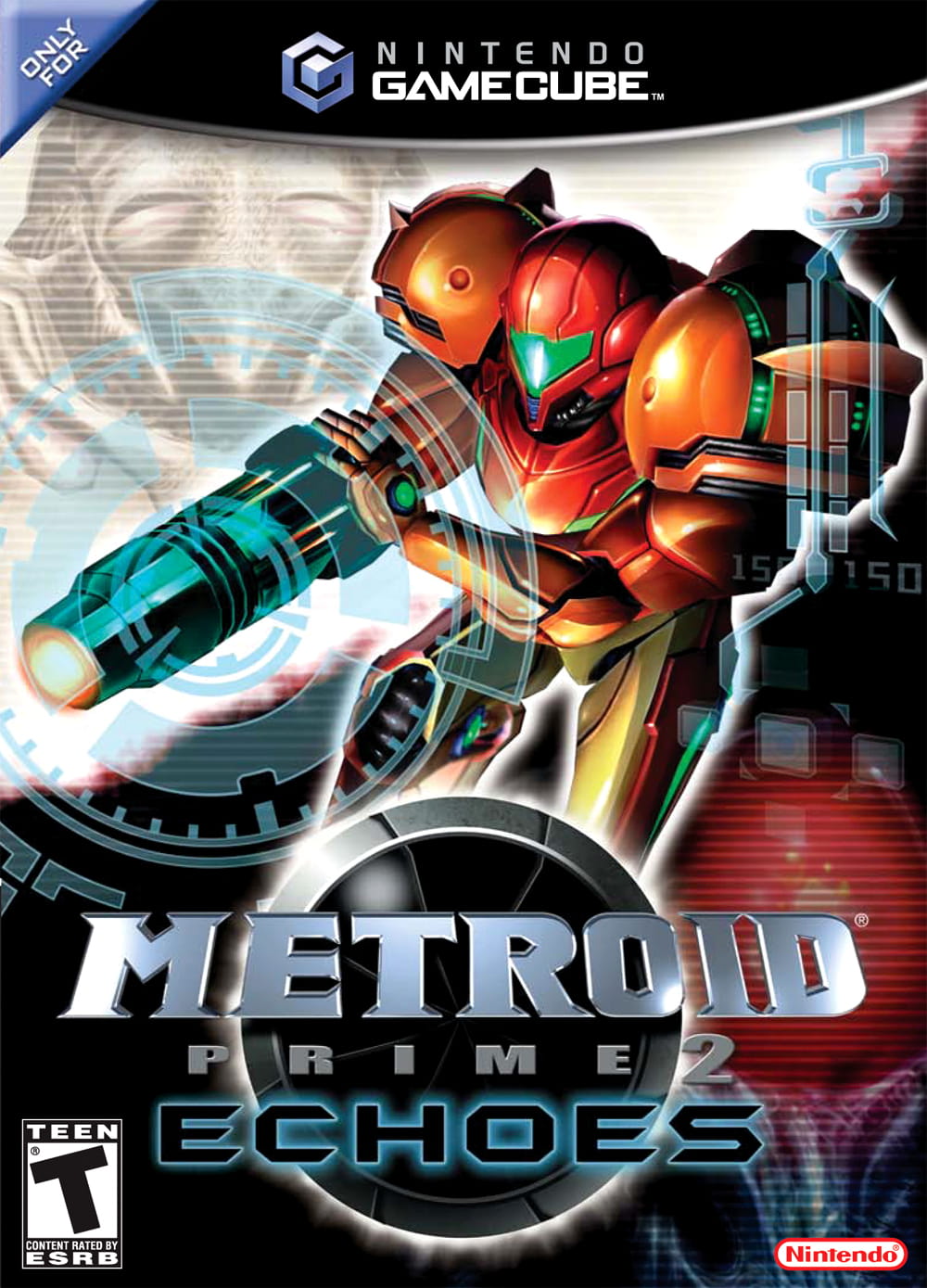
Metroid Prime 2: Echoes builds directly on the first game’s control language, atmosphere, and world-reading philosophy.
The original game is revisited in Metroid Prime Trilogy, helping preserve the first three Prime adventures in a unified package.
Metroid Prime Remastered arrives on Switch with modernized visuals, updated controls, and a renewed spotlight on Tallon IV.
It remains one of the clearest examples of a classic game whose design intelligence is still obvious even to first-time players.
4NERDS Collector Marketplace
A curated access point for players, collectors, and Metroid fans: original GameCube copies, Metroid Prime Remastered, Trilogy releases, guides, art books, accessories, and future handmade display pieces — clearly marked as partner links where applicable.
Shop Metroid Prime copies
Browse current Metroid Prime offers on eBay — useful for original GameCube discs, complete-in-box editions, manuals, Player’s Choice variants, Trilogy listings, and collector-grade finds.
- Original GameCube discs and CIB copies
- Manuals, inserts and collector variants
- Prime Trilogy and related releases
Paid partner link / Werbung — availability and pricing depend on eBay sellers.
Browse Prime-related finds
Explore Amazon for Metroid Prime-related items, Remastered editions, books, art books, guides, Nintendo accessories, display products, posters, and broader Samus-themed collectibles.
- Remastered, books and accessories
- Prime trilogy-related products
- Broader Metroid collector browsing
Paid partner link / Werbung — as an Amazon Associate, 4NERDS Gaming may earn from qualifying purchases.
Curated Etsy picks coming soon
Planned for handmade sci-fi retro art, Samus display pieces, Tallon IV-inspired prints, shelf objects, and museum-style collectibles that match the 4NERDS archive aesthetic.
- Wall art and display-focused pieces
- Handmade and fan-crafted style items
- Added once the setup is ready
Etsy affiliate integration will be added after the tracking setup is approved and tested.
Transparency note: 4NERDS Gaming does not sell these items directly. External shops, prices, stock, shipping terms, and seller conditions may change at any time. eBay and Amazon links in this section are sponsored / paid partner links. Etsy is currently shown as an upcoming integration and does not link out yet.