- Stylus identity: it is one of the clearest early DS games built around touch instead of merely decorated by it.
- Series reinvention: Kirby is turned into a ball, and that strange constraint becomes the whole joy of the design.
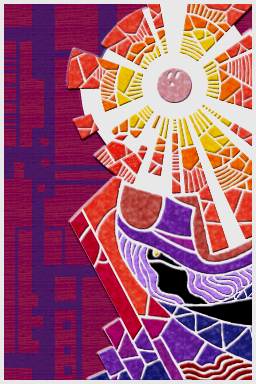
- Visual personality: its painted, abstract world gives the game an immediately distinct mood within the Kirby archive.
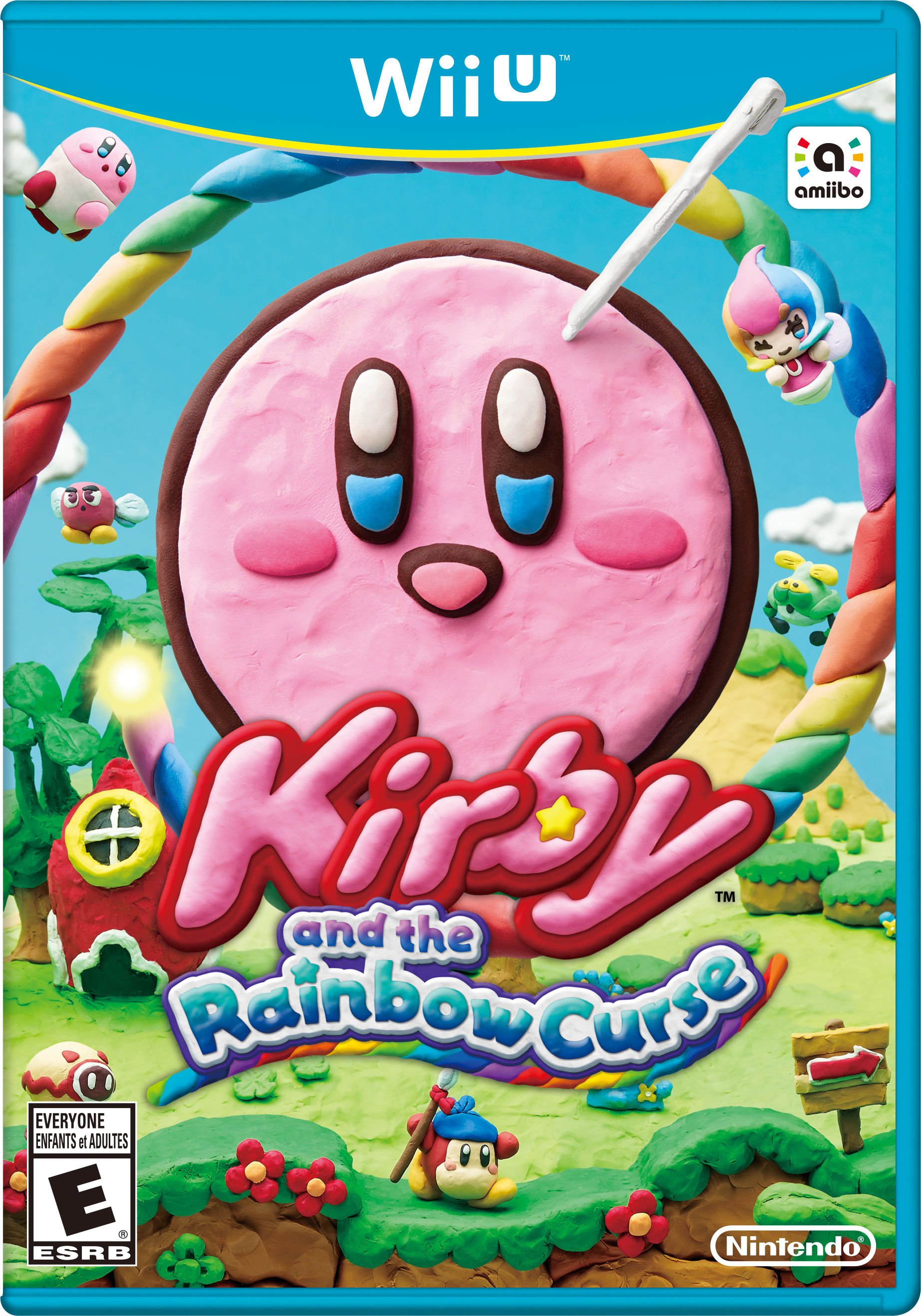
- Legacy value: it opened the path later revisited by Kirby and the Rainbow Curse a full decade later.
“A platformer where guidance becomes the verb, and drawing becomes movement.”
Not a side experiment to ignore — one of Kirby’s most creative format shifts.
When Kirby Became a Stylus Showcase
Kirby: Canvas Curse is one of the smartest “what do we do with new hardware?” answers Nintendo’s DS era ever produced. Instead of forcing a normal platformer onto a touch screen, HAL Laboratory rebuilt the fantasy around the device itself. Kirby is cursed into a ball. The player becomes the hand behind the Magical Paintbrush. Movement turns into drawing, momentum becomes a relationship between slope and timing, and even basic combat comes from when and where you tap. It is playful, slightly odd, and much more elegant than a mere gimmick game.
Game Data
| Title | Kirby: Canvas Curse |
| Release Year | 2005 |
| Developer | HAL Laboratory |
| Publisher | Nintendo |
| Platform | Nintendo DS |
| Genre | Touch platformer / action platformer |
| Players | 1 player |
| Original Format | DS Game Card |
| Core Loop | Draw, guide, dash, copy, solve, collect |
Rainbow Lines, touch-based dashing, stylus puzzles, limited ink management, collectible medals, and surreal painted worlds that reward route planning.
The sorceress Drawcia turns Dream Land into a painting and curses Kirby into a limbless ball. With help from the Magical Paintbrush — represented by the player’s stylus — Kirby rolls through abstract worlds to restore himself and Dream Land.
Rather than controlling Kirby directly, the player draws rails, walls, and ramps with the stylus, using touch itself as the game’s main movement language.
Review / Why It Still Feels So Inventive
The first few minutes are still striking because the game asks you to stop thinking like a normal platform player. You are not pressing Kirby left and right. You are improvising paths for him. The sensation is halfway between guiding a marble, drawing a rollercoaster, and nudging a living toy through a painted diorama. That shift could have felt awkward or forced, but the game’s smartest move is making Kirby’s ball form central to the fiction. It does not merely change the controls. It changes the whole premise of how the world is understood.
WHY THE TOUCH IDEA WORKSCanvas Curse is more than “draw a line and watch.” The best moments come from the rhythm between drawing, conserving ink, tapping Kirby for a burst of speed, and using momentum to turn a simple slope into an attack route or puzzle solution. That loop gives the game a real identity. It is tactile in a way button-driven Kirby never is. You begin to think in curves, timing, and contact points. The line is not decoration. The line is the game.
THE POWER OF THE ART STYLEThe painted-world framing also deserves more credit than it usually gets. Canvas Curse could have relied entirely on the novelty of the stylus, but instead it wraps the mechanics in a world that actually feels brushed, abstract, and slightly dreamlike. Mechanical zones, caverns, snowfields, and strange color-coded regions all feel as if they were sketched into existence rather than built from standard platform tiles. That aesthetic helps the unusual mechanics feel magical instead of technical.
WHERE THE FRICTION APPEARSIt is not flawless. Because the game is so dependent on stylus interaction, some players will feel more hand fatigue than in a conventional Kirby title. There are moments when the line-drawing can feel a touch fussier than button movement would be, especially if you want absolute precision under pressure. And because the entire experience is built around one interaction paradigm, you must really enjoy that paradigm for the full adventure to keep its energy. But those are the costs of a genuine experiment, and this is one of the better genuine experiments Nintendo ever published in the handheld space.
FINAL VERDICTKirby: Canvas Curse remains special because it does not feel like a compromise made for hardware novelty. It feels authored. The controls, fiction, art direction, and pacing all reinforce one another. It is not the most “pure” Kirby in the traditional sense, but it is one of the most imaginative. For DS history, for Kirby history, and for anyone interested in touch-first game design, it still holds real weight.
Why Historically Important
Kirby: Canvas Curse is historically important because it is one of the clearest examples of Nintendo’s DS-era philosophy done right. Rather than adding touch features around a normal game, it reimagined the structure from the ground up so that stylus control would feel essential. That makes it a stronger historical artifact than many launch-window or early-cycle gimmick projects. It actually demonstrates why the hardware mattered.
It also matters within the Kirby series because it proved the character could survive radical reinterpretation without losing his identity. Kirby still inhales powers, still fights strange bosses, still moves through toy-like dream spaces — but now all of it is filtered through drawing, tapping, and guiding. That flexibility is a major part of why Kirby has endured so well across decades and hardware shifts.
Finally, the game’s legacy is visible in the fact that Nintendo and HAL later returned to the same core idea with Kirby and the Rainbow Curse on Wii U. That kind of delayed spiritual follow-up only happens when a concept clearly left a mark. Canvas Curse was not just a curiosity. It was a durable design branch in Kirby history.
Timeline / Key Milestones
The game debuts in Japan as Touch! Kirby, introducing the line-drawing concept and the Drawcia painting-world setup.
Kirby: Canvas Curse arrives in North America and quickly becomes one of the Nintendo DS’s standout stylus-driven releases.
Europe receives the game as Kirby: Power Paintbrush, with Germany using the Power-Malpinsel naming variant in local branding.
The game is re-released on Wii U Virtual Console, giving the stylus concept a second life in a later hardware era.
Kirby and the Rainbow Curse revisits the same broad design branch, proving that Canvas Curse had lasting creative afterlife.
New purchases on Wii U and Nintendo 3DS eShops end in March 2023, making Canvas Curse’s Wii U digital version a legacy-owner route instead of an open storefront option.
4NERDS Collector Marketplace
A curated access point for Kirby fans, Nintendo DS collectors, stylus-era historians, and handheld archive builders: current marketplace searches, retail options, shelf pieces, and future handmade display finds — clearly marked as partner links where applicable.
Shop Kirby: Canvas Curse finds
Browse current Kirby: Canvas Curse offers on eBay — useful for original DS cartridges, boxed copies, manuals, regional variants, and collector-grade listings.
- Loose carts, boxed copies, and complete sets
- North American, Japanese, and PAL variants
- Condition, seller, shipping, and price comparison
Paid partner link / Werbung — availability, seller terms, shipping, and pricing depend on eBay sellers.
Browse Kirby on Amazon
Explore Amazon for Kirby-related items, Nintendo DS accessories, stylus replacements, display ideas, guide material, and broader Kirby collection additions.
- Kirby-related games and products
- DS accessories, stylus options, and display extras
- Convenient browsing for modern collectors
Paid partner link / Werbung — as an Amazon Associate, 4NERDS Gaming may earn from qualifying purchases.
Curated Etsy picks coming soon
Planned for handmade Kirby-inspired prints, DS-era shelf decor, framed display pieces, museum-style art cards, and tasteful archive-room extras.
- Wall art and display-focused pieces
- Handmade and fan-crafted style items
- Added once the setup is ready
Etsy affiliate integration will be added after the tracking setup is approved and tested.