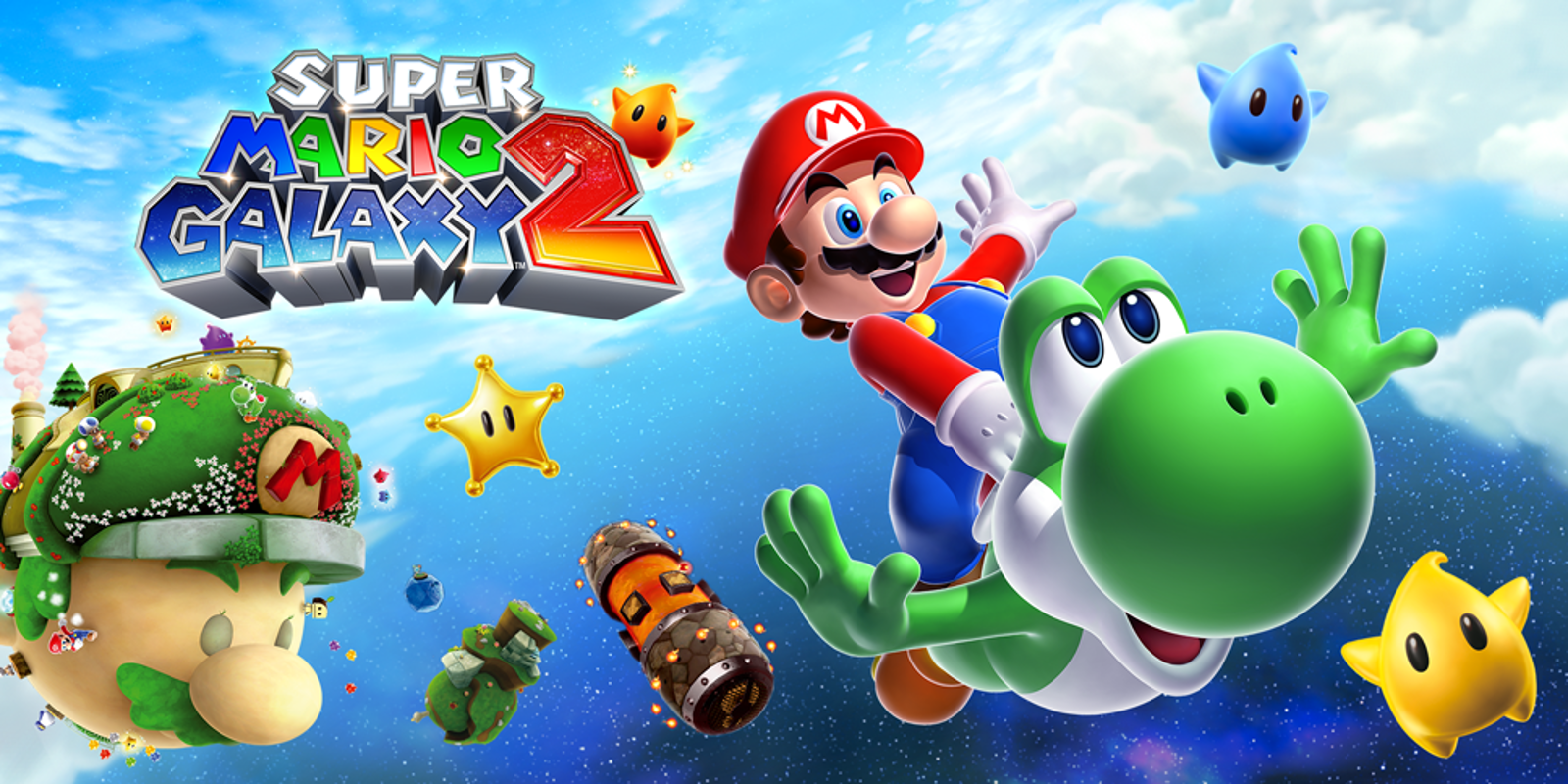
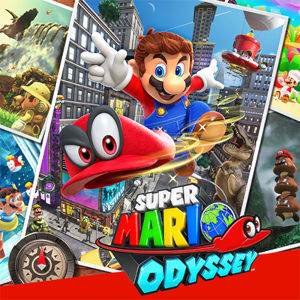
- Reinvention: Galaxy took 3D Mario and rebuilt it around gravity, orbit, and spherical worlds.
- Atmosphere: Rosalina, the Lumas, and the soundtrack give it a rare sense of wonder and melancholy.
- Design clarity: however strange the planets look, the movement and goals stay readable and elegant.
- Historical weight: it stands as one of the boldest and most successful Mario formula shifts ever made.
“A game where wonder became level design.”
Super Mario Galaxy is not just inventive — it is one of Nintendo’s most graceful blends of spectacle, control, and emotion.
When Mario Left the Ground Behind
Super Mario Galaxy feels historic even before you talk about its reputation. It takes the familiar Mario language of running, jumping, collecting, and discovering, then turns the whole thing inside out by making space itself part of the mechanic. Planets curve under Mario’s feet. Gravity becomes playful. Tiny worlds become platforming puzzles, visual jokes, combat arenas, and dreamlike set pieces. Yet what makes Galaxy remarkable is not only invention — it is how effortlessly that invention becomes intuitive. The game feels strange for seconds, then natural for hours.
Game Data
| Title | Super Mario Galaxy |
| Release Year | 2007 |
| Developer | Nintendo EAD Tokyo |
| Publisher | Nintendo |
| Platform | Wii |
| Genre | 3D platformer / action-platform adventure |
| Players | 1–2 players with Co-Star support |
| Original Format | Optical disc |
| Core Loop | Launch, orbit, collect, adapt, master |
Spherical platforming, gravity shifts, spin movement, star-launch travel, transformation power-ups, and focused star-based mission structure.
During the Stardust Festival, Bowser attacks, takes Peach and her castle into space, and leaves Mario stranded among the stars. Guided by Rosalina and the Lumas, Mario uses the observatory to travel galaxy by galaxy and stop Bowser from ruling a new cosmic empire.
More than any earlier Mario game, Galaxy makes space itself into a mechanic: the shape of the world changes how the player thinks, moves, and reads danger.
Review / Why Galaxy Still Feels Like a Leap
What hits first in Super Mario Galaxy is not just novelty, but confidence. The game knows that running around tiny planets, leaping between stars, and reorienting your sense of gravity should feel impossible — and then calmly teaches you that it is not. The brilliance lies in how quickly the impossible becomes intuitive. You stop thinking about the gimmick and start thinking about rhythm, timing, and curiosity, which is exactly when the design reveals how disciplined it really is.
WHY THE WORLD DESIGN FEELS NEWEarlier 3D Mario games were about space in the broad sense: rooms, fields, sandboxes, and routes. Galaxy changes the scale and the logic. Worlds become tiny, self-contained ideas. A planet can be a puzzle, a joke, a boss arena, a toy, or a danger machine. That compression is part of why the game stays so memorable. It is not merely big; it is focused. Nearly every world is built around a clear idea, then pushed just far enough to stay delightful.
MOVEMENT, SPIN, AND FLOWMario’s movement remains sharp, but Galaxy adds a spin that changes both combat and traversal without muddying the basics. The spin is simple enough to feel instantly legible and flexible enough to shape almost every encounter. Combined with launch stars and gravity wells, it gives the game an extraordinary sense of flow. You are not just crossing levels — you are being threaded through them with elegance, momentum, and short bursts of spectacle.
THE EMOTIONAL DIFFERENCEOne reason Galaxy is remembered so fondly is that it has a mood most Mario games do not chase this directly. Rosalina, the observatory, the Lumas, and the orchestral score all give the game a slightly wistful tone beneath the cheerful surface. It never stops being playful, but it occasionally feels lonely, reflective, and almost fairy-tale cosmic. That tonal layer helps Galaxy stand apart even among other masterpiece Mario entries.
FINAL VERDICTSuper Mario Galaxy is one of the rare reinventions that feels both radical and immediately correct. It changed the structure of 3D Mario, expanded what players expected from platformer space, and wrapped the whole experiment in one of Nintendo’s most beautiful audiovisual packages. It still feels inventive today, but more importantly, it still feels good. That is what keeps it alive as more than history.
Why Historically Important
Super Mario Galaxy is historically important because it proved that 3D Mario did not have to remain tied to the same design language established by Super Mario 64 and refined by Sunshine. Nintendo found a way to rethink navigation, scale, and world structure without sacrificing accessibility. That is a rare achievement. Many games reinvent themselves by becoming harder to read; Galaxy reinvented itself by becoming stranger and somehow clearer at the same time.
It also mattered as a Wii showcase. Rather than forcing the hardware into awkward novelty, Galaxy used the system’s motion and pointer ideas in a restrained, elegant way. The result felt modern instead of gimmicky. That balance helped the game stand as one of the clearest examples of Nintendo using new hardware to support design rather than distract from it.
Beyond mechanics, Galaxy expanded the emotional range of the Mario series. The orchestral score, Rosalina’s storybook framing, and the observatory setting gave Mario a gentler, more cosmic kind of wonder than usual. It remains one of the franchise’s most distinctive tonal successes: playful without being shallow, grand without losing warmth.
Timeline / Key Milestones
Super Mario Galaxy releases on Wii and immediately establishes itself as one of the defining 3D platformers of its era.
Galaxy becomes a reference point for gravity-based level design, orchestral Mario presentation, and the idea that reinvention can remain fully approachable.
Super Mario Galaxy joins Super Mario 64 and Super Mario Sunshine in the Super Mario 3D All-Stars collection on Nintendo Switch.
Nintendo brings Super Mario Galaxy back in enhanced form as part of Super Mario Galaxy + Super Mario Galaxy 2 for Nintendo Switch.
The current Galaxy release receives a free Nintendo Switch 2 update with improved display support and Joy-Con 2 mouse-mode functionality.
4NERDS Collector Marketplace
A curated access point for players, collectors, and Mario fans: original Wii copies, modern Switch releases, related items, and future handmade display pieces — clearly marked as partner links where applicable.
Shop Wii copies
Browse current Super Mario Galaxy offers on eBay — useful for original Wii discs, complete-in-box editions, manuals, bundles, and collector-grade finds.
- Original Wii hardware-era copies
- Disc, case, manual, CIB, and bundle listings
- Condition and price comparison
Paid partner link / Werbung — availability, seller terms, shipping, and pricing depend on eBay sellers.
Browse Galaxy finds
Explore Amazon for Super Mario Galaxy, Switch releases, Mario-themed items, books, guides, accessories, gift ideas, and related Nintendo products.
- Games, books, merch, and accessories
- Gift ideas and modern products
- Broader Mario-themed browsing
Paid partner link / Werbung — as an Amazon Associate, 4NERDS Gaming may earn from qualifying purchases.
Curated Etsy picks coming soon
Planned for handmade Galaxy-inspired art, cosmic Mario prints, display objects, shelf pieces, and museum-style collectibles that match the 4NERDS archive aesthetic.
- Wall art and display-focused pieces
- Handmade and fan-crafted style items
- Added once the setup is ready
Etsy affiliate integration will be added after the tracking setup is approved and tested.