- Fresh angle: instead of repeating the standard Wolfenstein run-and-gun loop, it makes machine possession the core fantasy.
- VR identity: scale, cockpit framing, and mechanical weight give it a texture the mainline shooters do not have.
- Series curiosity: it works best as a side chapter for fans of the modern reboot era, not as a headline pillar.
- Historical niche: it captures the late-2010s moment when major publishers still experimented with VR spin-offs for premium action brands.
“Less a full Wolfenstein epic, more a short violent VR sabotage fantasy.”
Uneven, compact, and limited — but also genuinely different inside the series.
A Wolfenstein Spin-Off Built Around Hacked War Machines
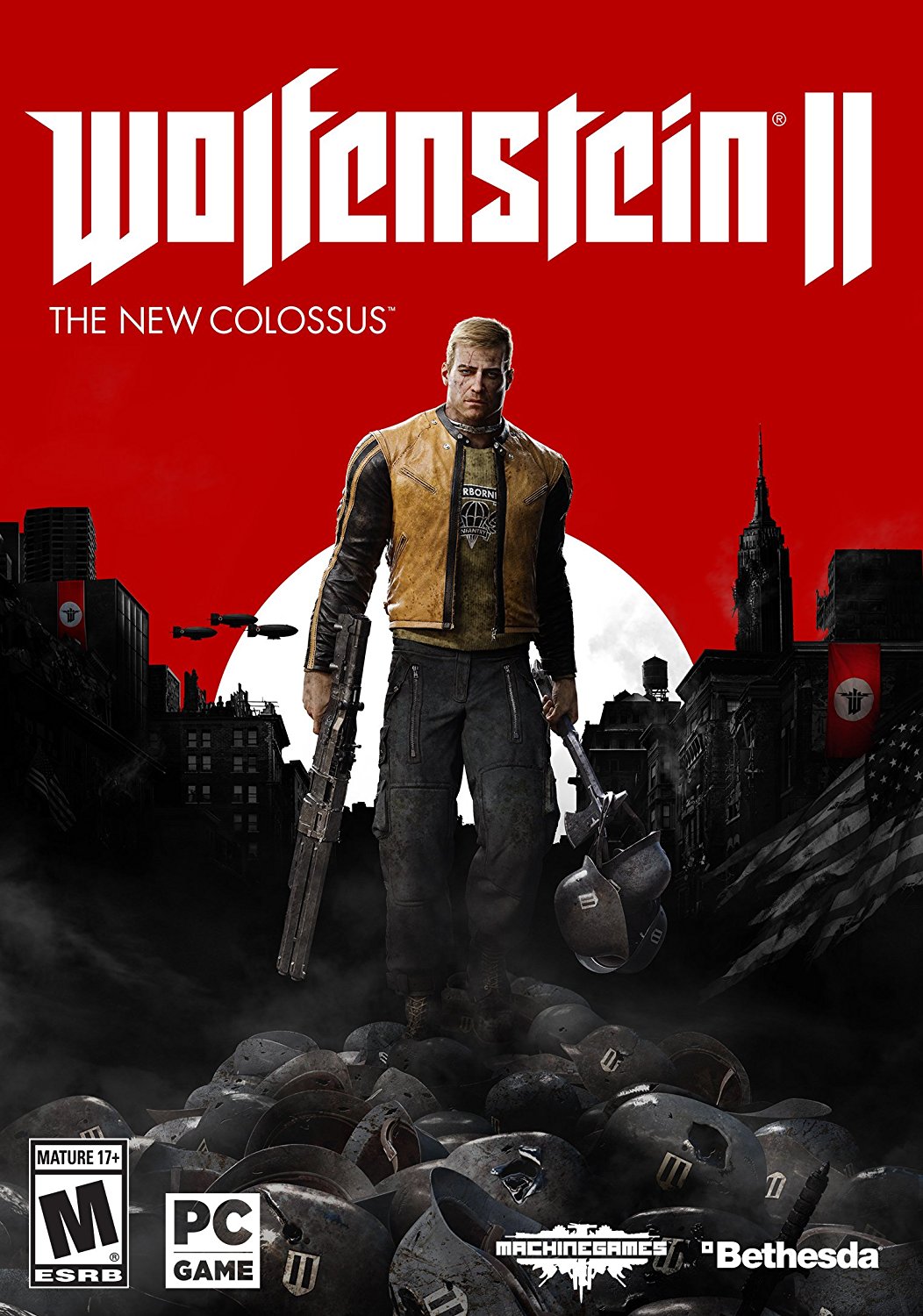
Wolfenstein: Cyberpilot only really clicks once you stop asking it to behave like a full-sized mainline Wolfenstein sequel. It is not trying to outmuscle The New Colossus, nor is it trying to become a massive VR reinvention of the brand. Instead, it narrows the idea down to one strong hook: Paris, 1980, the French Resistance, and the thrill of hijacking Nazi machines from inside virtual reality. That makes it smaller and thinner than the major entries, but also more experimental, more tactile, and more archive-worthy than its reputation sometimes suggests.
Game Data
| Title | Wolfenstein: Cyberpilot |
| Release Year | 2019 |
| Developer | Arkane Lyon / MachineGames |
| Publisher | Bethesda Softworks |
| Platform | Windows VR / PlayStation VR |
| Genre | Virtual reality first-person action shooter |
| Players | Single-player |
| Original Format | Digital download / PSVR retail listings |
| Core Loop | Hack machines, seize control, destroy patrols, support the resistance, finish compact scenario missions |
VR cockpit-style immersion, hijacked Nazi robots, mechanical firepower, short scripted missions, scale-based presence, and resistance sabotage.
Paris, 1980. Working with the French Resistance, the Cyberpilot hacks into Nazi war machines and turns occupation technology back against the regime.
Instead of placing players in B.J.’s usual boots, Cyberpilot reframes Wolfenstein around remote machine possession — one of the boldest perspective shifts in the series.
Review / Why It Is More Curiosity Than Cornerstone
Cyberpilot makes its strongest argument immediately: you are not simply another FPS body sprinting through hallways. You are a hacker inserted into hostile machinery. In VR, that is a meaningful shift. The feeling of piloting or overriding Nazi war hardware changes the fantasy from personal heroism to controlled sabotage, and that gives the game a sharper identity than its small scale might suggest.
WHERE THE VR HELPSThe game’s best asset is presence. Machines feel larger. Weapons feel heavier. Fire and movement gain a more physical, intimidating quality than they would on a flat screen. Cyberpilot does not need to imitate the mainline Wolfenstein sprint-and-shoot rhythm at full speed, because its appeal is built on inhabiting metal and force rather than on pure run-and-gun velocity.
WHERE IT FEELS THINThe problem is not the hook — the hook is good. The problem is expansion. The missions are short, the systems are fairly light, and the game runs out of fresh permutations before it becomes truly rich. That is why Cyberpilot often lands as an experiment rather than as a fully developed branch of the franchise. It sells the premise well, but it does not stretch the premise far enough.
WHY IT STILL HAS VALUEEven so, the game is not throwaway material. It tells us something about both Wolfenstein and VR history. It belongs to a period when publishers still believed prestige VR spin-offs could deepen a franchise through perspective rather than through sheer scale. Cyberpilot never becomes essential in the way The New Order or The New Colossus are essential, but it remains memorable because it tried something genuinely sideways.
FINAL VERDICTWolfenstein: Cyberpilot is not a major pillar in the series, but it is a fascinating side corridor in the museum. As a compact VR sabotage fantasy about hijacking fascist war machines, it has just enough presence, flavor, and novelty to justify itself. As a full-blooded Wolfenstein replacement, it is too slight. Its real strength is not scope. It is perspective.
Why Historically Important
Cyberpilot is historically interesting because it reflects a very specific late-2010s moment: major publishers were still actively exploring whether virtual reality could host meaningful side entries for established action franchises. Rather than rebuilding a classic Wolfenstein game wholesale for VR, the developers used the headset format to build a smaller, stranger premise around machine control, scale, and sabotage.
It also matters within the modern reboot timeline because it helps show how elastic that continuity briefly became. Cyberpilot sits alongside the Youngblood era and expands resistance activity outward from the main protagonists. That does not make it a masterpiece, but it does make it useful when mapping how Bethesda experimented with the revived Wolfenstein brand after The New Colossus.
More broadly, Cyberpilot reminds us that not every notable game matters because it was a massive hit. Some matter because they reveal what the medium was trying to become. In that sense, Cyberpilot is a compact record of both VR ambition and franchise experimentation — a game that shows the promise and the limits of premium VR side stories.
Timeline / Key Milestones
Bethesda reveals Cyberpilot as the first dedicated VR entry in the modern Wolfenstein line, immediately marking it as a franchise experiment rather than a normal sequel.
Official messaging frames the game around the French Resistance, occupied Paris, and the fantasy of taking control of powerful Nazi war machines.
Wolfenstein: Cyberpilot launches for Windows VR and PlayStation VR as a standalone single-player side story in the modern reboot timeline.
Released in the same season as Wolfenstein: Youngblood, Cyberpilot helps broaden the rebooted universe sideways rather than forward through a traditional sequel.
The game settles into a smaller legacy: not a fan-favorite pillar, but an intriguing archive piece from the period when major publishers were still betting on prestige VR experiments.
Cyberpilot survives mainly as a fascinating Wolfenstein footnote — short, odd, and worth noting precisely because it is different.
4NERDS Collector Marketplace
A curated access point for Wolfenstein fans, VR collectors, PlayStation VR owners, and modern shooter archive readers: original-market searches, modern related items, and future handmade display pieces — clearly marked as partner links where applicable.
Shop Cyberpilot copies
Browse current Wolfenstein: Cyberpilot offers on eBay — useful for PSVR listings, sealed copies, region variants, bundle offers, collector shelves, and VR-era Bethesda archive pieces.
- PSVR and collector listings
- Sealed, used, and regional variants
- Condition and price comparison
Paid partner link / Werbung — availability and pricing depend on eBay sellers.
Browse Wolfenstein VR finds
Explore Amazon for Cyberpilot-related items, Wolfenstein games, VR accessories, PlayStation VR extras, Bethesda collectibles, and modern shooter archive material.
- Wolfenstein and Bethesda items
- VR accessories and display extras
- Gift ideas and collector browsing
Paid partner link / Werbung — as an Amazon Associate, 4NERDS Gaming may earn from qualifying purchases.
Curated Etsy picks coming soon
Planned for handmade Wolfenstein-inspired display pieces, VR-era shelf art, neon resistance-style prints, cyberpunk machine décor, and museum-style desk objects that match the 4NERDS archive aesthetic.
- Wall art and display-focused pieces
- Handmade and fan-crafted style items
- Added once the setup is ready
Etsy affiliate integration will be added after the tracking setup is approved and tested.
Transparency note: 4NERDS Gaming does not sell these items directly. External shops, prices, stock, shipping terms, and seller conditions may change at any time. eBay and Amazon links in this section are sponsored / paid partner links. Etsy is currently shown as an upcoming integration and does not link out yet.