Dungeon MasterThe Dungeon That Felt Alive
FTL Games’ landmark dungeon crawler made stone walls feel physical, torches feel urgent, inventory feel tactile, and real-time party survival feel frighteningly immediate long before first-person RPGs settled into modern comfort.
Why Dungeon Master still works
- Immersion breakthrough: first-person grid movement, direct item handling, light, sound, and pressure work together beautifully.
- Real-time tension: combat, retreat, door play, hunger, torches, and resource panic make every corridor feel alive.
- Interface legacy: mouse-driven inventory logic made many older RPGs suddenly feel abstract and distant.
- Historical weight: one of the clearest genre-defining ancestors for later first-person party dungeon crawlers.
“A dungeon crawler that made stone corridors feel real.”
Dungeon Master is not only influential because it was early. It is influential because it made immediacy, fear, and physical interaction feel natural.
The Dungeon Crawler That Made Presence Matter
Dungeon Master still feels remarkable because it does not merely ask you to read a dungeon — it asks you to inhabit it. Doors slam, monsters rush, food runs low, light fades, hands move items, wounds need response, and every square of movement feels like a deliberate physical act.
Earlier computer RPGs could be rich and deep, but Dungeon Master gave the dungeon mass, pace, and panic. The shift was enormous: exploration became spatial, combat became urgent, inventory became tactile, and party survival became something the player handled directly rather than watched from a distance.
At a glanceBest experienced as both a landmark of interface design and a still-tense survival crawl where inventory, lighting, positioning, food, sound, and timing all matter.
Game Data
| Title | Dungeon Master |
| Original Release | 1987 |
| Original Platform | Atari ST |
| Developer | FTL Games |
| Publisher | FTL Games |
| Director / Designer | Doug Bell |
| Producer / Composer | Wayne Holder |
| Artists | Andrew Jaros and FTL team |
| Later Platforms | Amiga, Apple IIGS, MS-DOS, SNES, TurboGrafx-CD, X68000, PC-9801, FM Towns |
| Genre | Role-playing / real-time dungeon crawl |
| Players | Single-player |
| Original Format | Floppy disk |
| Core Loop | Explore, manage light, fight, cast, solve, survive, descend |
Gameplay pillars
Real-time combat, first-person grid movement, direct mouse-based item interaction, rune-based magic, party management, hunger and torch pressure, sound cues, door tactics, and puzzle-heavy dungeon progression.
Story
You choose four champions from the Hall of Champions and descend into the dungeon beneath Mount Anaias to defeat the ancient evil Lord Chaos and master the power surrounding the Firestaff.
Most famous design fact
Dungeon Master fused first-person dungeon exploration with real-time combat and tactile mouse interaction, making the dungeon crawler feel immediate instead of abstract.
Review / Why Dungeon Master Still Feels Alive
Dungeon Master still makes a striking first impression because it treats the dungeon as a place rather than a menu of encounters. You hear danger before you fully understand it. You carry torches not as flavor, but as necessity. You open doors with caution.
Why the immersion holdsA huge part of Dungeon Master’s power comes from how many small systems point in the same emotional direction. Hunger matters. Light matters. Encumbrance matters. Facing matters. When to strike matters. When to flee matters. The dungeon stops feeling like a puzzle board and starts feeling like a hostile organism.
The interface revolutionThe mouse-driven interface is one of the game’s most important long-term contributions. Instead of burying everything behind remote command abstractions, Dungeon Master lets you interact with hands, slots, pouches, wounds, weapons, and the environment directly.
For modern players, some friction is unavoidable. Movement is rigidly grid-based, combat asks for habits that later games would smooth out, and some puzzle-solving can feel opaque without patient mapping and experimentation.
Why the old mechanics still workThese are not dead mechanics. They are old mechanics still connected to a living design philosophy. Dungeon Master remains demanding, but it rarely feels accidental. Its restrictions create pressure, memory, and spatial discipline.
Final verdictDungeon Master deserves its reputation because it did more than influence a genre in the abstract. It changed how a dungeon could feel. It made first-person exploration tactile, made party survival immediate, and gave later dungeon crawlers a physical and emotional template they would spend decades refining.
Why It Matters
Dungeon Master is historically important because it made first-person dungeon crawling feel immediate, tactile, and alive at a time when many computer role-playing games still presented combat and exploration more abstractly. Its real-time systems, direct mouse interaction, sound cues, lighting pressure, and embodied party management gave dungeon exploration a level of physicality that was genuinely transformative.
It also mattered because it became a reference point for what immersive dungeon-crawler design meant before the term became overused. Later first-person party crawlers did not simply borrow surface traits from Dungeon Master; they inherited a way of thinking about space, danger, rhythm, user interaction, and survival pressure.
Perhaps most importantly, Dungeon Master proved that interface design could be part of atmosphere rather than just a delivery system for rules. The inventory, the hand icons, the clicks, the act of reaching for a torch, hurling an item, mixing a spell, or snapping a door shut on a pursuing monster — these actions created memory.
Why it mattered then
It made first-person dungeon crawling feel real-time, tactile, and physically inhabited in a way few RPGs had managed.
Why it matters now
It remains one of the clearest playable origin points for immersive dungeon-crawler design and grid-based survival tension.
What it changed
It fused real-time tension, direct object handling, party survival, light management, and dungeon atmosphere into a lasting genre grammar.
Timeline / Key Milestones
Dungeon Master launches on Atari ST and quickly becomes one of the defining early real-time dungeon crawlers in computer-gaming history.
The Amiga version helps spread the game’s interface ideas and immersive style across another major computer audience.
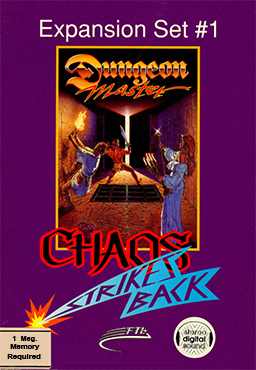
FTL follows up with a harder, more intricate sequel that deepens the formula and strengthens the series’ cult reputation.
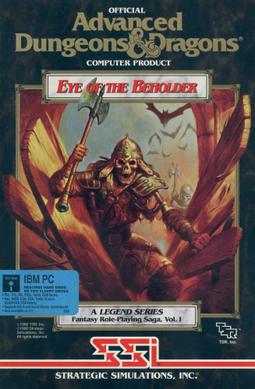
Westwood’s AD&D crawler becomes one of the clearest descendants and proves how fast Dungeon Master’s design language spread.
The DOS version helps preserve Dungeon Master for a wider PC audience and keeps its design visible into the next wave of CRPG evolution.
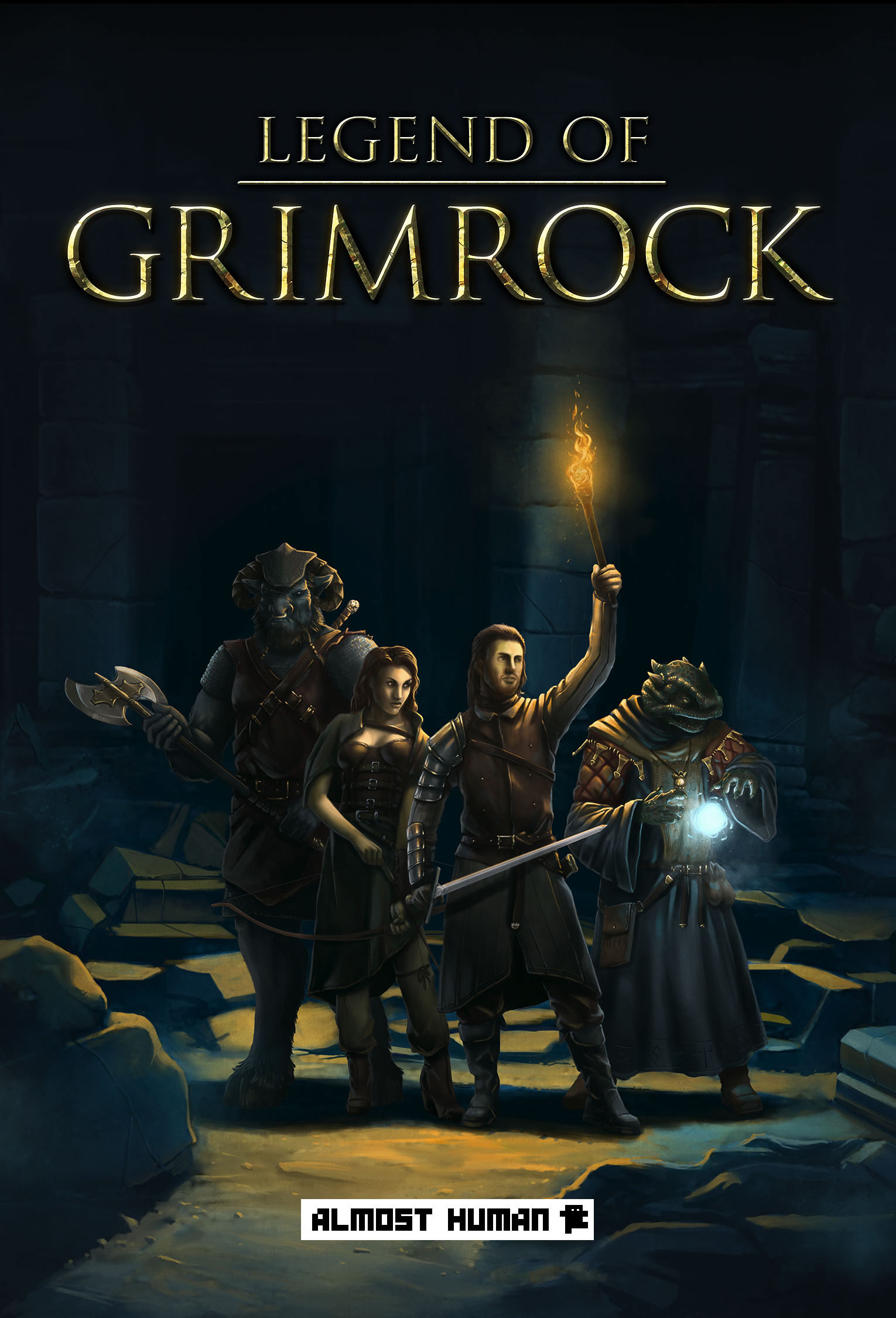
Legend of Grimrock shows that Dungeon Master’s grid, tension, puzzles, and tactile survival logic still hold enormous design power decades later.
The Hall of Champions, four-character party, torchlight pressure, food management, rune magic, monster sounds, direct mouse inventory, door tactics, Atari ST origin, Amiga expansion, DOS visibility, Chaos Strikes Back, Eye of the Beholder lineage, and Grimrock revival became the memory — but the disks, boxes, manuals, ports, maps, and collector variants are the artifacts.
Dungeon Master belongs in the collector lane because it is more than a classic CRPG: it is one of the core artifacts for understanding how digital dungeons became physical, immediate, and atmospheric.
Where to Play / Collect Today
Collecting Dungeon Master means collecting one of the foundation stones of immersive dungeon-crawler design.
Strong collector routes include original Atari ST boxes, Amiga releases, DOS editions, SNES versions, Japanese computer ports, manuals, hint books, maps, Chaos Strikes Back, Eye of the Beholder lineage pieces, and modern revival context through Legend of Grimrock.
A curated starting point for Dungeon Master collectors: original Atari ST and Amiga material first, DOS and SNES versions second, then Chaos Strikes Back, manuals, maps, hint books, storage supplies, and retro computer preservation accessories.
eBay Collector Search
The strongest route for physical Dungeon Master material: Atari ST boxes, Amiga releases, DOS editions, SNES copies, manuals, maps, hint books, Chaos Strikes Back, and first-person dungeon-crawler collector lots.
- Best chance for original boxes, disks, manuals, platform variants, hint books, sequel material, and related dungeon-crawler lots.
- Search Dungeon Master Atari ST, Dungeon Master Amiga, Dungeon Master DOS, Dungeon Master SNES, and Chaos Strikes Back separately.
- Check disk condition, box completeness, manual presence, map inserts, platform version, language, region, and seller photos carefully.
4NERDS collector search for Dungeon Master Atari ST / Amiga / DOS / SNES material, manuals, maps, and FTL dungeon-crawler lots.
Amazon Search
Useful for retro computer storage, floppy and CD protection, fantasy RPG history books, display sleeves, shelf organization, optical or drive accessories, and preservation supplies around a Dungeon Master collection.
- Better for storage, display, books, and accessories than rare original Dungeon Master copies.
- Good for floppy sleeves, retro shelf organization, fantasy RPG reading, and game-preservation basics.
- Use as a secondary route after eBay collector searches.
Replace YOURAMAZONTAG-20 once the final approved Amazon Associates tag is ready.
Etsy Collector Route
Potentially useful later for Dungeon Master-style shelf labels, dungeon-crawler display plaques, map-inspired archive dividers, floppy stands, and torchlit fantasy game-room pieces.
- Better suited for display objects than preservation-grade collecting.
- Keep separate from original boxes, disks, manuals, maps, official ports, and verified releases.
- Ready to activate once the Etsy strategy is finalized.
Placeholder route kept disabled until a final Etsy affiliate or curated shop strategy is available.